

 dinero_admin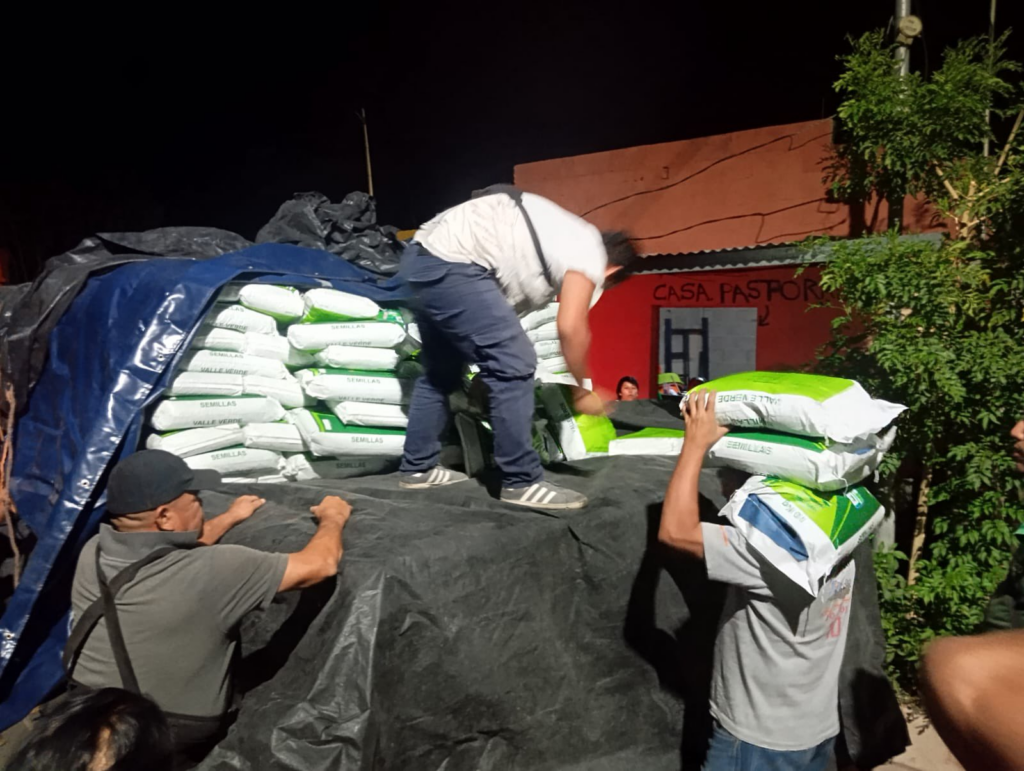
The Government of El Salvador, through the Ministerio de Agricultura y Ganadería (MAG), has begun distributing corn seed as part of the first phase of the Production Increase Program, a strategy aimed at strengthening food security and preparing for potential climate impacts in the coming months.
The MAG’s Vice Minister, Óscar Domínguez, announced that the distribution began thursday night and will initially cover the planting of 10,000 manzanas of corn nationwide, coinciding with the start of the first rainy season. This phase marks the beginning of a broader plan to increase national production of this staple grain, a key component of the salvadoran diet.
The program’s implementation involves working with small and medium-sized farmers, who play a fundamental role in national agricultural production. According to the official, planting will be carried out both manually and mechanically, which will optimize time and expand the coverage of cultivated areas.
One of the main objectives of this initiative is to anticipate the potential impacts of the El Niño climate phenomenon, which, according to forecasts, could generate adverse conditions starting in late july. These conditions include reduced rainfall and increased temperatures, factors that can affect crop development and reduce agricultural yields.
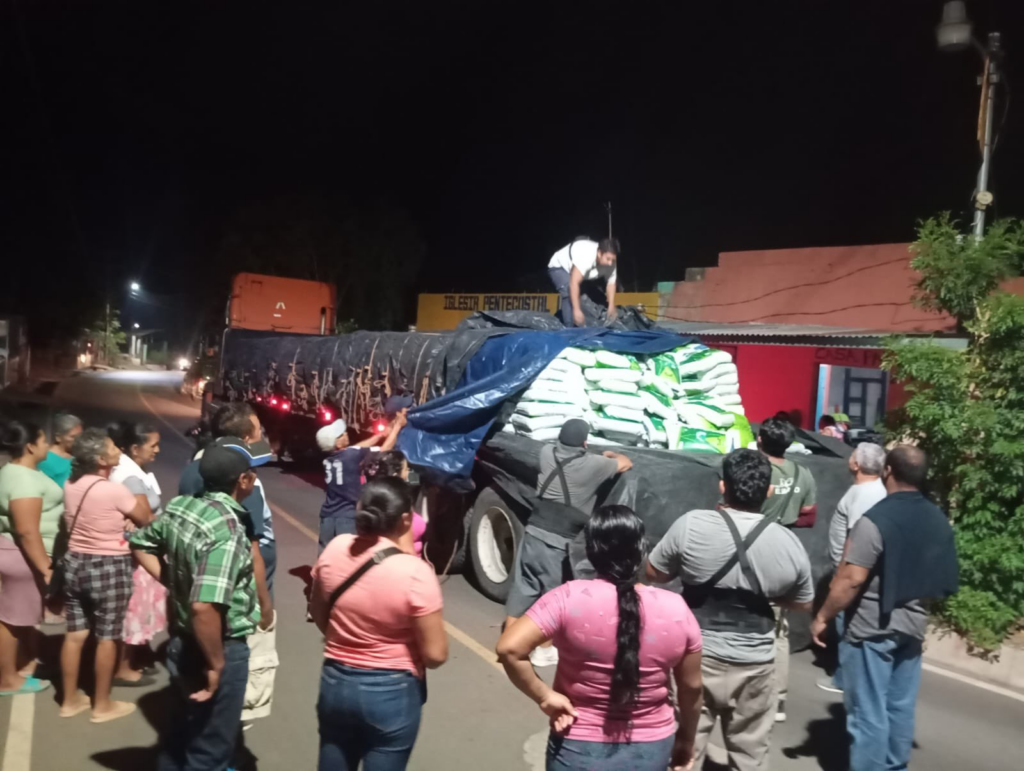
The Ministerio de Agricultura y Ganadería (MAG), is promoting early planting to take advantage of initial rains and ensure better production before potential droughts occur. With this, the authorities seek to reduce risks and guarantee the domestic supply of corn, an essential product for both direct consumption and the food chain.
The Production Boosting Program is part of the Government’s actions to strengthen the agricultural sector, improve resilience to climate change, and support national producers. In addition to seed distribution, these initiatives are typically complemented by technical assistance and support for farmers to maximize harvest results.
With these measures, the country seeks not only to increase agricultural production but also to protect producers’ incomes and maintain price stability for basic foodstuffs in a context marked by climate variability.
You can also read: