

 dinero_admin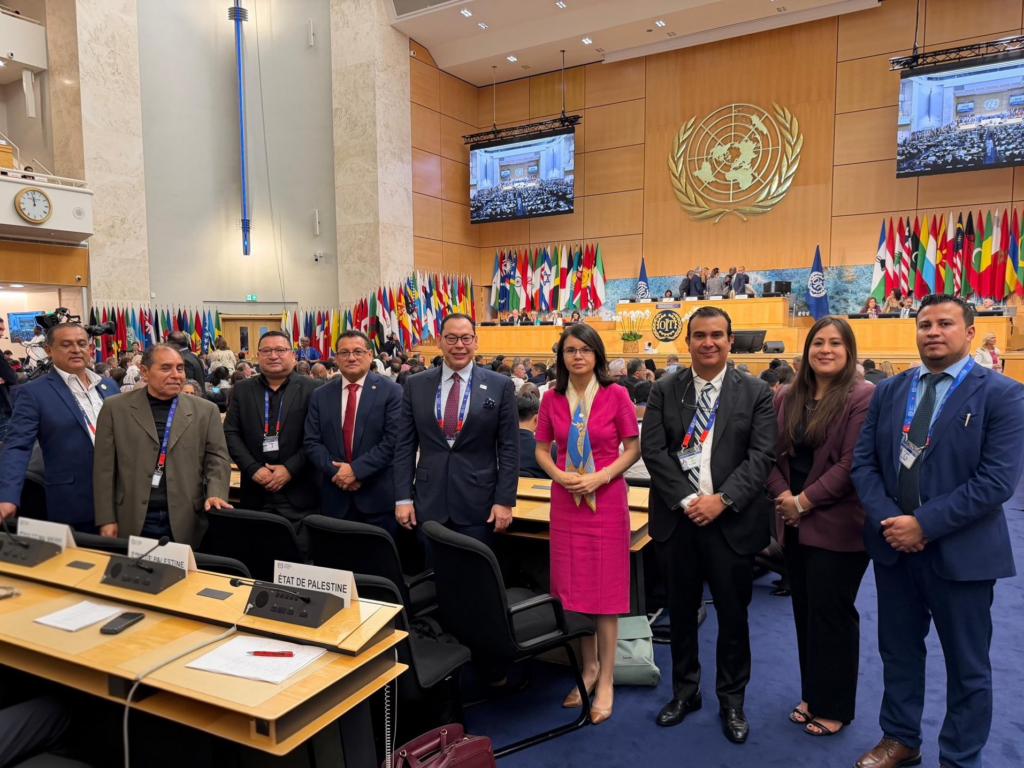
El Salvador has officially been removed from the International Labour Organization’s (ILO) Shortlist, a fact the Ministry of Labor and Social Welfare hailed as a historic achievement that recognizes the country’s progress in social dialogue, institutional strengthening, and compliance with international labor standards.
According to the Ministry, remaining on this list for years posed a challenge to the country’s international image, as it subjected it to intense scrutiny regarding labor-related issues. Removal from this mechanism now represents a sign of confidence and recognition of the efforts made to strengthen labor relations and consolidate a culture of compliance with the international commitments undertaken by the Salvadoran State.
This result stems from the work promoted under the leadership of President Nayib Bukele, through the Ministry of Labor and Social Welfare, as well as the commitment made by workers, employers, and the government to strengthen social dialogue and build agreements aimed at economic development and the well-being of the population.
The active participation of these three sectors allowed progress in addressing long-standing challenges, strengthening collaborative mechanisms, and creating the necessary conditions to achieve this important international recognition.
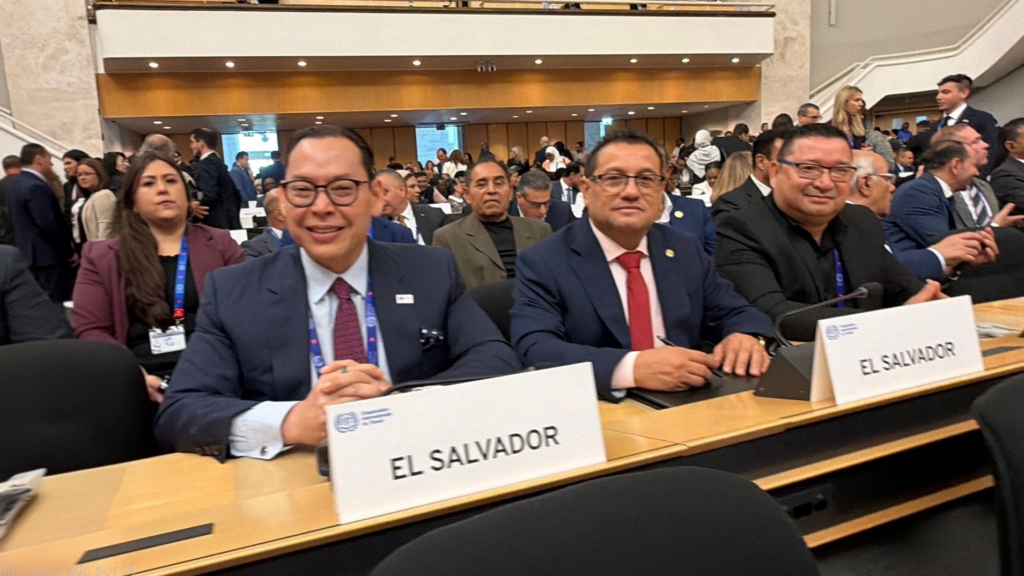
In an interview following the announcement of the decision, Labor Minister Rolando Castro stated that being removed from the Shortlist marks a turning point for the country’s image with the international community and foreign investors.
“This created a blemish on our geopolitical, economic, and international standing. Large investors not only conduct market research but also analyze the country’s image and compliance with international standards”, the minister said.
Castro explained that one of the main benefits of this decision will be strengthening the confidence of investors, international organizations, and trading partners who evaluate compliance with labor commitments before undertaking investment projects.
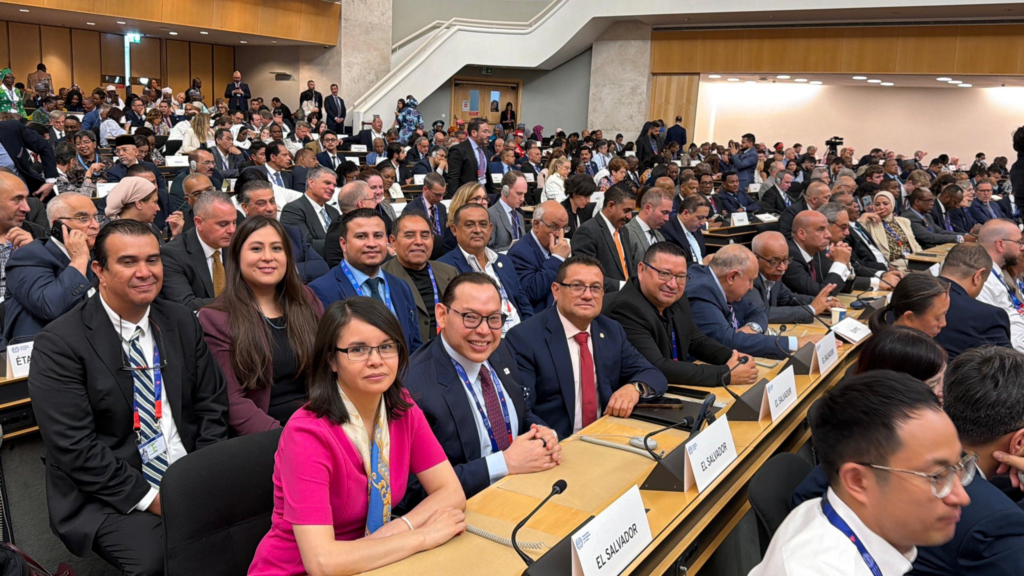
“We always presented an attractive country, with leadership, citizen security, and stability, but the issue of compliance with ILO conventions always arose. Today, that is practically resolved, and a new window to the world opens for El Salvador”, he said.
The Ministry of Labor emphasized that being removed from the Short List strengthens the country’s reputation and credibility, generating greater confidence for investment and economic growth. It also contributes to improving national competitiveness, expanding opportunities for technical cooperation, strengthening trade relations, and facilitating greater integration into international markets.
Authorities believe that these advances also create more favorable conditions for formal job creation, productive development, and improved opportunities for salvadoran families.
Minister Castro also revealed that he recently met with the ILO Director-General, who congratulated El Salvador on the progress achieved and guaranteed the organization’s technical support to maintain the conditions that allowed the country to be removed from the list.
“Now the challenge is to keep El Salvador off the list. Getting the country off was an important task, but keeping it off requires ongoing and consistent work”, he said.
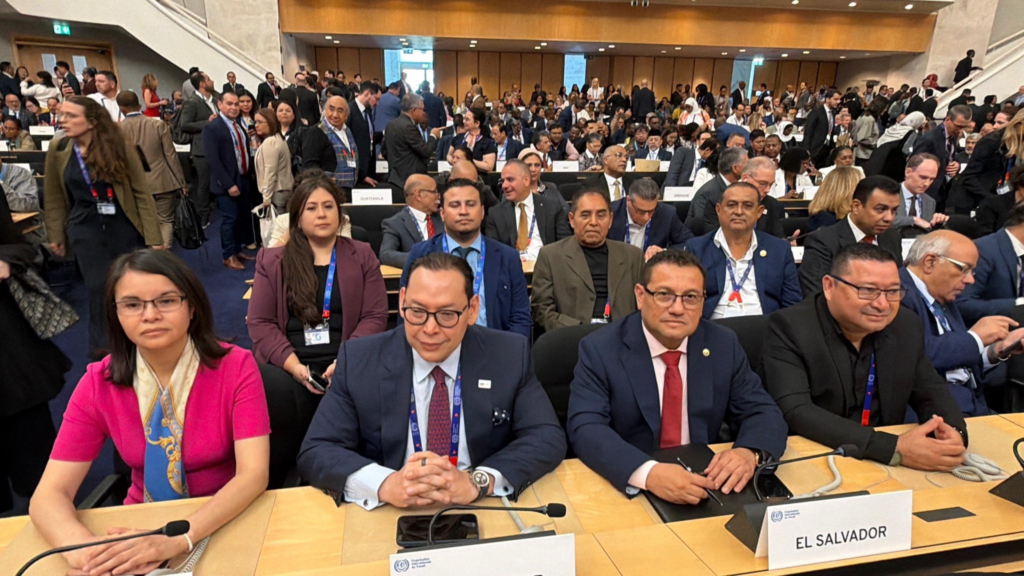
The official said that the ILO’s technical support will contribute to strengthening public policies related to the labor market and to compliance with international conventions ratified by the country.
For the Ministry of Labor, this achievement demonstrates that social dialogue, cooperation, and coordinated work between the government, workers, and employers can generate concrete results for national development. Furthermore, it represents evidence that El Salvador continues to move toward consolidating a more modern, competitive environment aligned with international standards.
The institution reaffirmed its commitment to continue promoting actions aimed at strengthening labor rights, fostering the creation of decent jobs, and encouraging sustainable economic development as part of building a new El Salvador with greater opportunities for all.
You can also read: