

 dinero_admin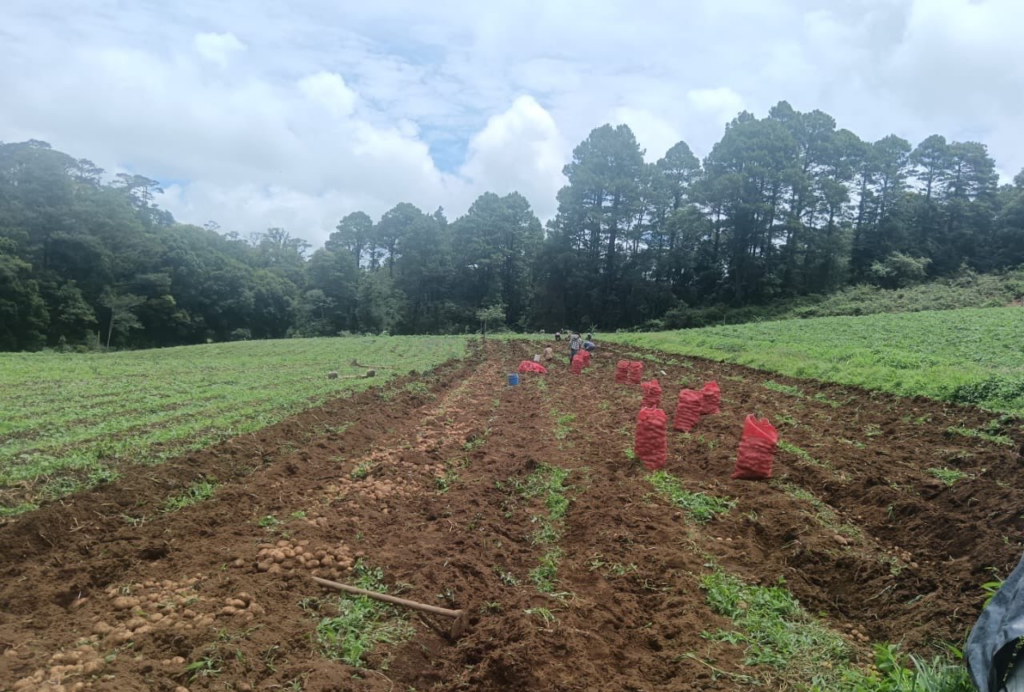
Vegetable production in El Salvador continues to expand as part of efforts to strengthen food security and ensure year-round food supply. This was reported by the Vice Minister of Ministerio de Agricultura y Ganadería (MAG), Óscar Domínguez, who highlighted that there are currently more than 2,600 manzanas (approximately 2,600 acres) dedicated to these crops nationwide.
The official explained that, while the planting of staple grains progresses in different areas of the country, the agricultural sector is also maintaining steady growth in vegetable production, an activity that allows for diversifying the food supply and responding to the demands of national markets.
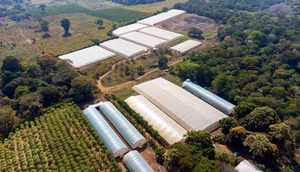
According to Domínguez, some of the cultivated areas are currently being harvested, while others continue to be incorporated into production through new agricultural structures and open-field cultivation. This expansion allows for increasing the cultivated area and strengthening the sector’s productive capacity.
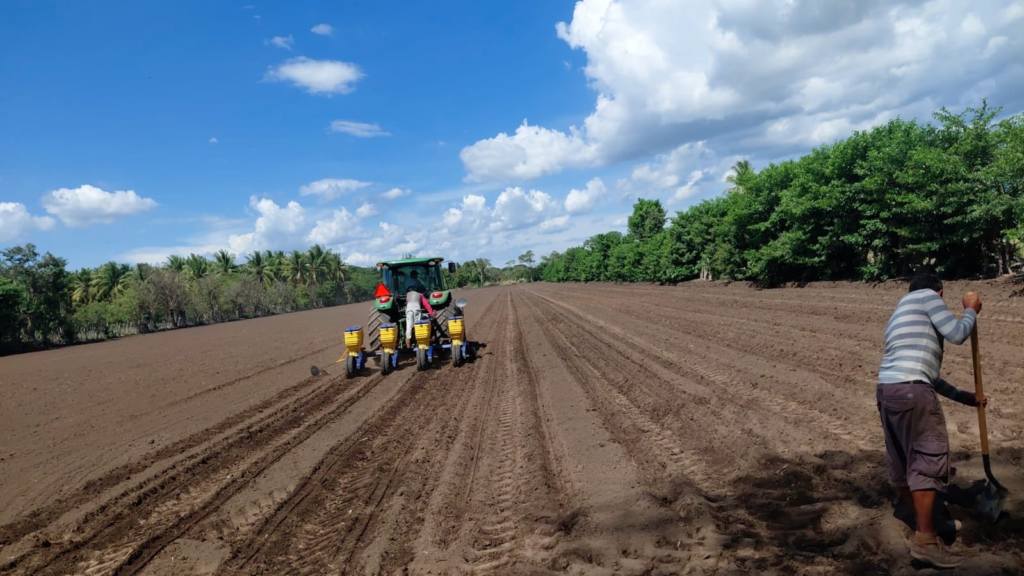
One of the aspects highlighted by the Deputy Minister is that all these production areas have access to water, a key factor for maintaining continuous agricultural activity. The availability of water reduces dependence on weather conditions and facilitates the planning of production cycles throughout the year.
The incorporation of systems that guarantee access to water also contributes to improved crop yields, as producers can maintain more efficient planting management and reduce the risks associated with periods of drought or irregular rainfall.
The growth of areas dedicated to vegetables is part of a strategy aimed at strengthening national agricultural production and generating a constant supply of fresh food for the population. Furthermore, it allows producers to maintain productive activities year-round and make better use of their land.
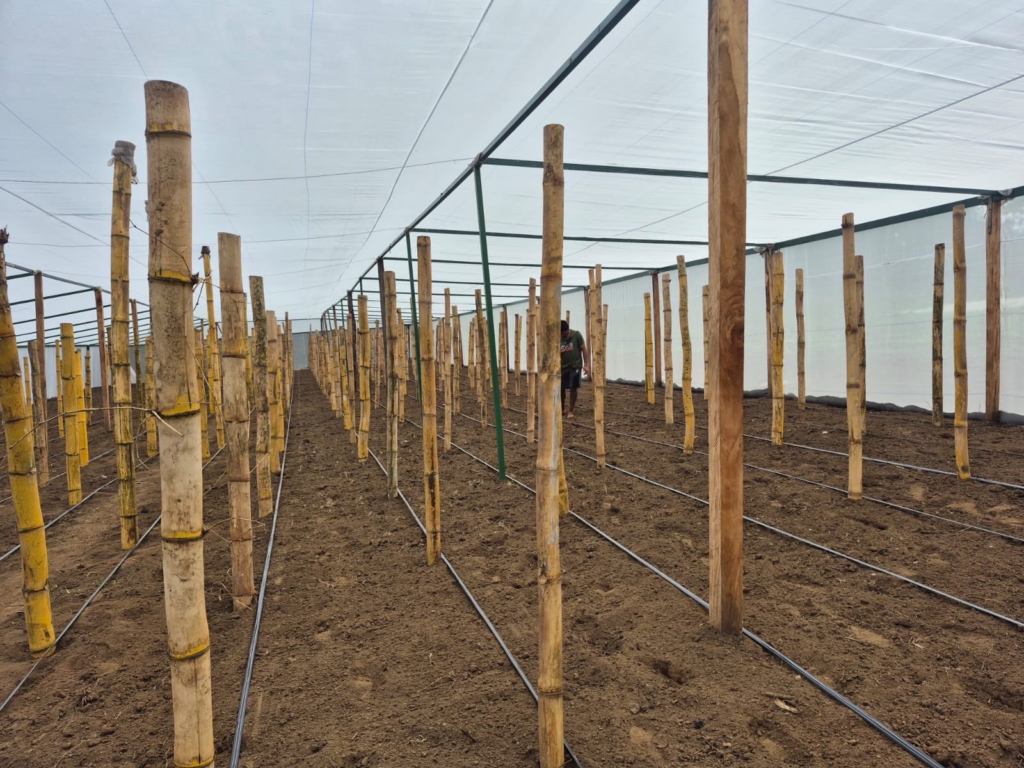
According to MAG authorities, the simultaneous development of basic grain and vegetable production seeks to consolidate a more dynamic and diversified agricultural sector, capable of responding to the needs of the domestic market and contributing to the economic development of rural areas.
The deputy minister emphasized that the goal is to maintain crops and harvests on an ongoing basis, promoting continuous production that strengthens food availability and creates opportunities for farmers in different regions of the country.
You can also read: