

 dinero_admin
Credit card over-indebtedness occurs when a person accumulates financial obligations that exceed their actual ability to pay, resulting in high interest rates, late payments, and constant pressure on their budget. This problem usually stems from unplanned use of credit and a lack of control over spending.
One of the main risk factors is treating the card’s total credit limit as if it were disposable income. Experts recommend keeping credit utilization below 30% of the limit, as this helps maintain a manageable debt burden and reduces the likelihood of incurring high interest rates.

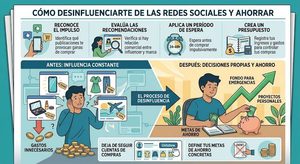
Controlling spending is another key factor. Tracking every purchase provides a clear picture of your debt level and prevents impulsive credit use. Digital banking and financial apps make it easy to monitor spending in real time.
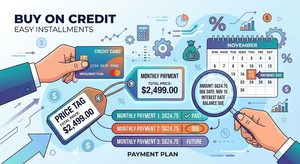
Paying off the balance also directly influences debt accumulation. Although the minimum payment avoids late fees, it does not significantly reduce the principal owed, which causes the debt to drag on over time. Therefore, it is recommended to pay the full monthly balance or, failing that, amounts greater than the established minimum.

Another important aspect is to avoid using the card for everyday expenses such as groceries or transportation, since these types of expenses can quickly add up without proper planning. Its use should be limited to planned purchases or emergency situations.
Manager responsible also involves evaluating the necessity of each purchase before making it. This habit helps reduce impulse spending and improves financial decision-making.
Likewise, it is essential to understand the terms of the financial product, including interest rates, billing cycles, and payment due dates, as these factors determine the actual cost of credit.
Taken together, financial discipline, spending planning, and an understanding of how credit cards work are key factors in avoiding excessive debt and maintaining personal financial stability.
You may also read: