

 A. M.
A. M. 
Arabica coffee futures closed higher on March 2, 2026, on the Intercontinental Exchange (ICE) in New York, with increases ranging from US$3.70 to US$3.90 per pound, according to the latest report from the Instituto Salvadoreño del Café. The rebound reflects the market’s reaction to international logistical factors and expectations regarding global supply.
The march 2026 contract (KCH26) closed at US$288.35 per pound, while the september 2026 contract (KCU26) reached US$275.30, consolidating a positive day for all major market expirations.
Factors that drove prices
According to the report, one of the main factors behind the increase was concern about logistical problems on transport routes through the Middle East, a situation that heightened fears of potential increases in freight costs and disruptions in the global supply chain.
These conditions motivated traders and investors to make speculative purchases, anticipating a possible temporary shortage in the international coffee market.
However, price increases were tempered by favorable weather forecasts issued by the meteorological company Climatempo, which anticipates stable conditions in some key producing regions, potentially supporting production levels in the coming months.
Prices of the main contracts
During the trading day, all Arabica coffee futures contracts registered increases. The performance was as follows:
• March 2026 (KCH26): closed at US$288.35 per pound, up US$3.75.
• May 2026: finished at US$284.60, after advancing US$3.85.
• July 2026 (KCN26): reached US$279.70, up US$3.80.
• September 2026 (KCU26): stood at US$275.30 cents, registering the largest increase of the day with US$3.90 cents.
• December 2026 (KCZ26): closed at US$270.60, up US$3.70.

These figures, based on data from financial provider Barchart, reflect a volatile market with a positive trend across the various trading periods.
Certified Inventories in New York
The report also details that certified coffee inventories in New York reached a total of 510,151 60-kilogram bags, an increase from the 477,229 bags reported at the previous close.
Of the total recorded:
• 132,278 bags are pending certification.
• 6,198 bags correspond to coffee of salvadoran origin.
Although inventory levels indicate a relatively stable supply, the report notes that international demand continues to put pressure on the market, especially given global logistical uncertainty.
Performance of other related markets
The coffee price movement was also accompanied by variations in other international markets. Robusta coffee for march 2026 (RMH26) registered an increase, settling at $3,842 per ton.
In the energy sector, the West Texas Intermediate (WTI) crude oil contract for june 2026 rose to $70.58 per barrel, driven by tensions in the international energy market.
Mixed movements were observed in the foreign exchange market:
• The euro fell to 0.8559.
• The colombian peso strengthened to 3.765 per dollar.
• The brazilian real stood at 5.1801 per dollar.
Situation in producing countries
In Brazil, the world’s largest coffee producer, weather conditions have favored the progress of the harvest. The lack of rain between monday and wednesday allowed for accelerated harvesting in regions such as southern Minas, Cerrado Mineiro, and Espírito Santo.
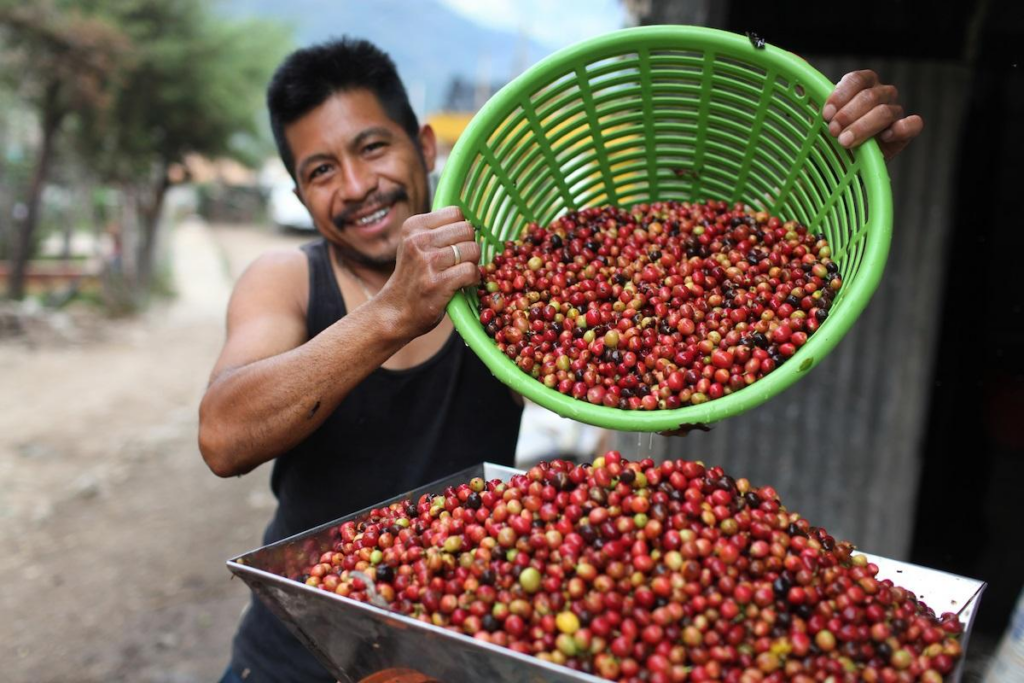
These conditions facilitate the drying and handling of the beans, which could increase supply in the coming months. If the dry weather continues, the increase in production could put downward pressure on international prices.
El Salvador’s participation
In the case of El Salvador, the 6,198 certified bags in New York inventories reflect the country’s presence in the international coffee market, particularly in the specialty coffee segment, where salvadoran coffee is recognized for its quality.
The report from the Instituto Salvadoreño del Café emphasizes that international price behavior will continue to depend on factors such as weather conditions, global logistics, inventory levels, and global demand dynamics. Meanwhile, the market continues to show signs of volatility amidst a changing international context.
You can also read: