

 dinero_admin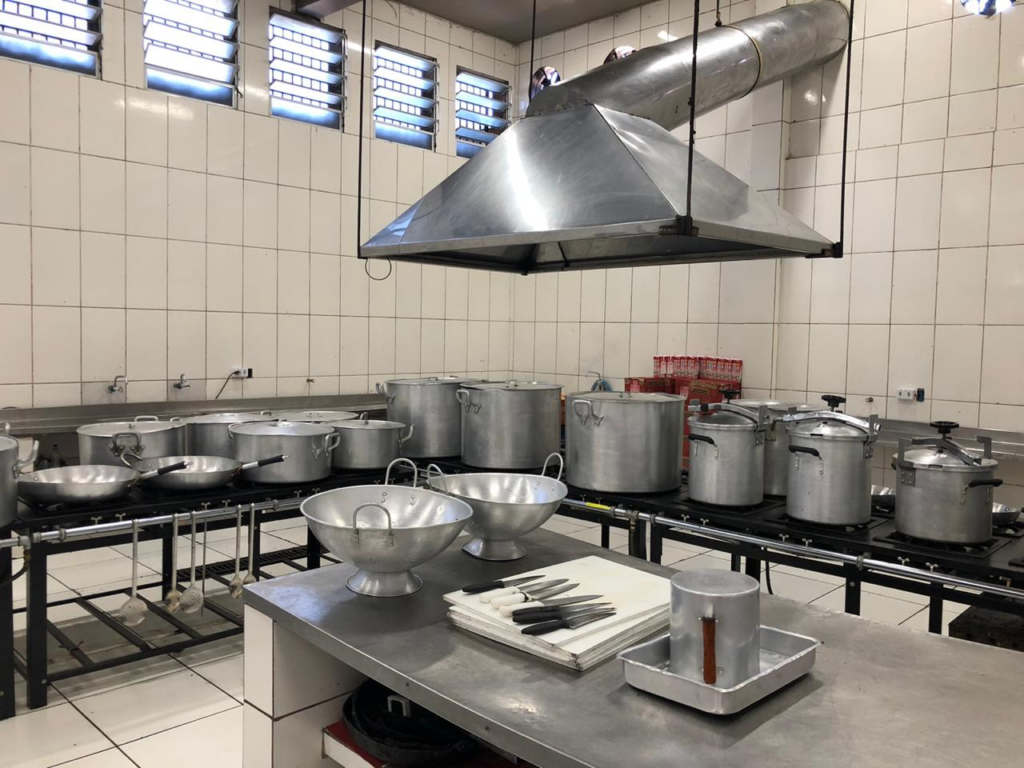
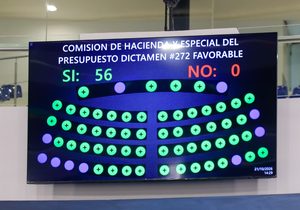
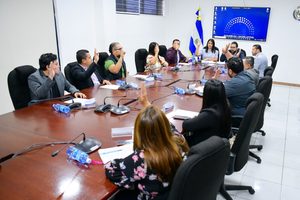
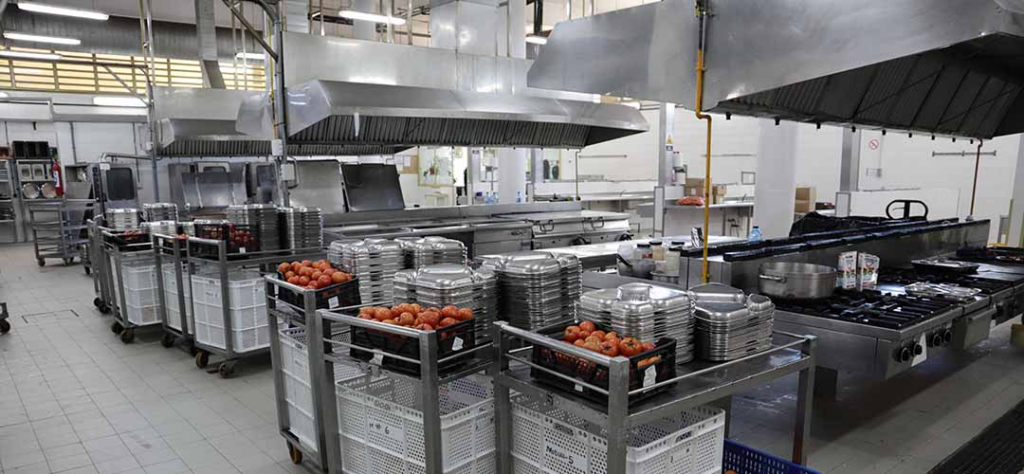
The Finance Committee approved allocating US$470,000 to the Ministerio de Obras Públicas y Transporte (MOPT) for the construction and equipping of industrial kitchens in priority prisons nationwide, as part of a reform to the 2026 General Budget. The measure aims to strengthen food production within the prison system, improve the operational efficiency of these facilities, and support activities related to the rehabilitation of incarcerated individuals.
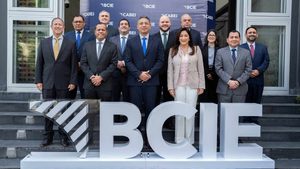
According to the presentation before the committee, these funds are part of a total allocation of US$1,518,671.87 from the remaining balance of a loan granted by the Central American Bank for Economic Integration (CABEI), originally earmarked for the Penitentiary System Strengthening Program in El Salvador.
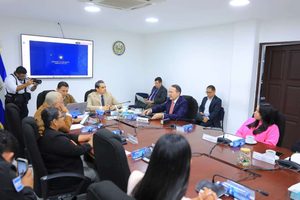
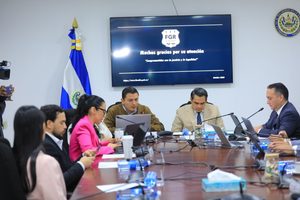
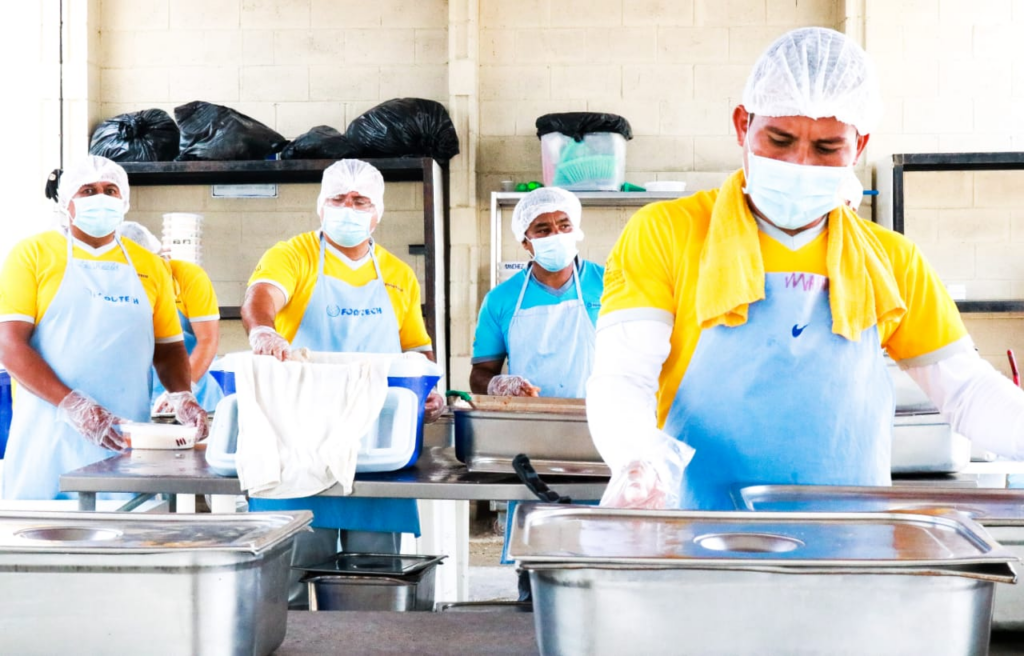
According to Marlon Herrera, director of Investment and Public Credit at the Ministry of Finance, the funds allocated for industrial kitchens would allow for the adaptation of spaces, their provision of equipment, and the strengthening of food preparation capacity in prioritized prisons. The initiative also aims to contribute to the operational sustainability of these facilities and support programs designed to reduce idleness in prisons through productive activities.
As part of this same reallocation of funds, US$970,671.87 would be earmarked for the acquisition and installation of 776 electronic monitoring devices. These bracelets would be used to track incarcerated individuals participating in tasks such as public infrastructure repairs, beach cleanups, and other activities related to the Plan Cero Ocio.
In addition, another US$78,000 would be incorporated to institutionally strengthen the MOPT’s implementing unit, covering consulting services, auditing, and operating expenses related to the execution of these projects. During the session, parliamentarians also approved another budget amendment to allocate US$8.7 million to the Ministerio de Obras Públicas y Transporte (MOPT) earmarked for mitigation projects along the Grande de San Miguel River. The aim is to reduce flood risks and protect both nearby communities and the area’s road infrastructure.
These funds come from a loan agreement with the International Bank for Reconstruction and Development (IBRD) and will be implemented under El Salvador’s Resilient Transportation and Infrastructure Project.
These funds would finance the riverbank and levee rehabilitation project on the Grande de San Miguel River, focused on restoring livelihoods in the La Canoa canton.
The planned works include the construction of 0.6 kilometers of levees between 3.5 and 4 meters high using gabion walls, as well as erosion control, reforestation, topographic surveys, demolition of existing structures, earthworks, and the installation of metal floodgates.
According to the Ministry of Finance, these interventions aim to reduce the vulnerability of surrounding communities, lessen the impact of flooding, and strengthen the resilience of public infrastructure to climate events.
The initiatives must continue their legislative process for eventual approval. If approved, the resources would finance projects focused on strengthening the prison system and mitigation and protection works in vulnerable areas.
You can also read: