

 dinero_admin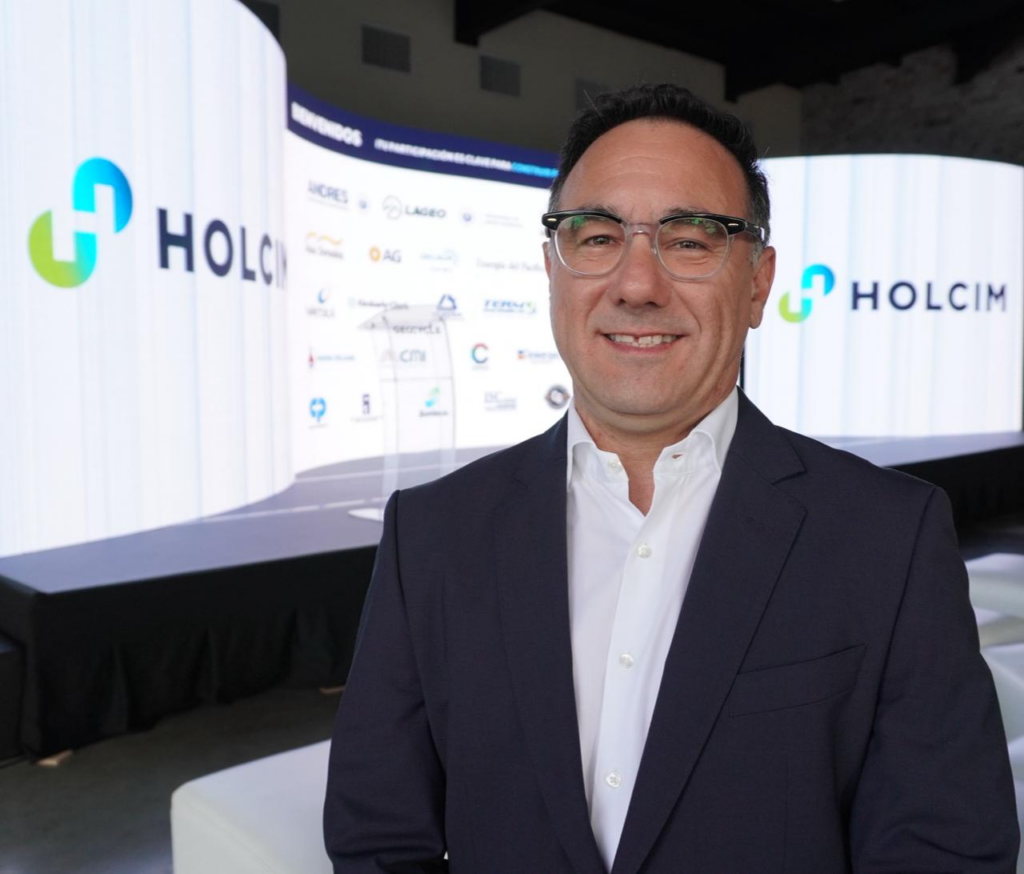
Geocycle, Holcim’s circular solutions company, reported that during 2025 it transformed more than 12 million tons of waste into resources used in the cement manufacturing process, allowing nearly 40% of the thermal energy used by Holcim to come from circular sources prepared by the company.
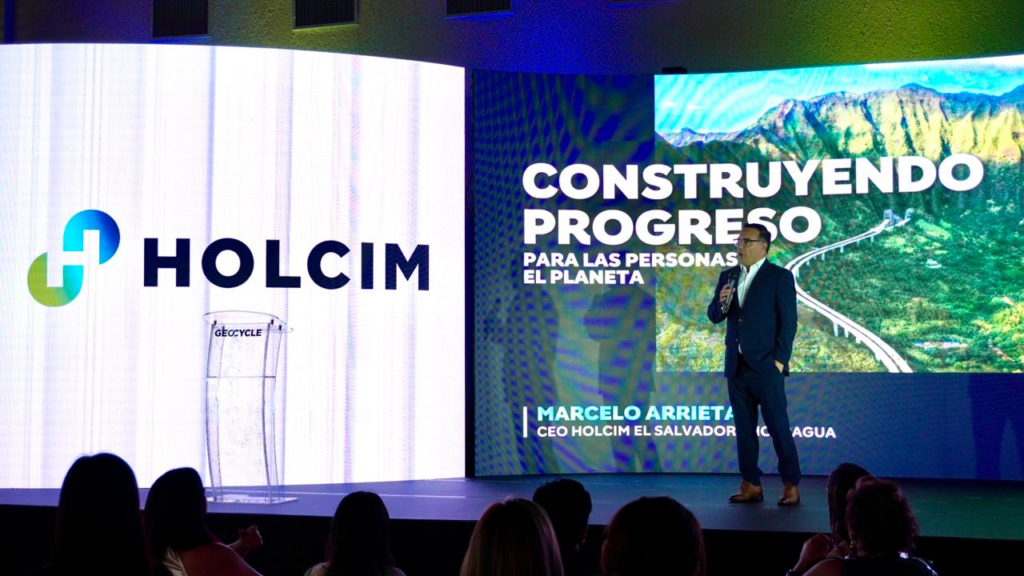
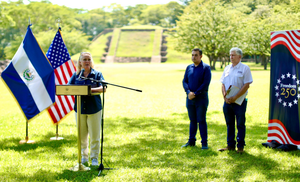
The information was presented during the launch of its new corporate identity in El Salvador, through which it seeks to strengthen its integration with the Holcim Group and reaffirm its role in decarbonization and the circular economy.
Locally, Geocycle processed 35 thousand tons of municipal waste during the last year, preventing it from being deposited in landfills and converting it into alternative fuels. This volume is approximately equivalent to the annual waste generation of the city of San Salvador.
In addition, the operation in the country manages around 66 thousand tons of materials, equivalent to the waste generated by about 200 thousand Salvadorans, and is advancing toward replacing nearly 30% of fossil fuels with alternative sources.
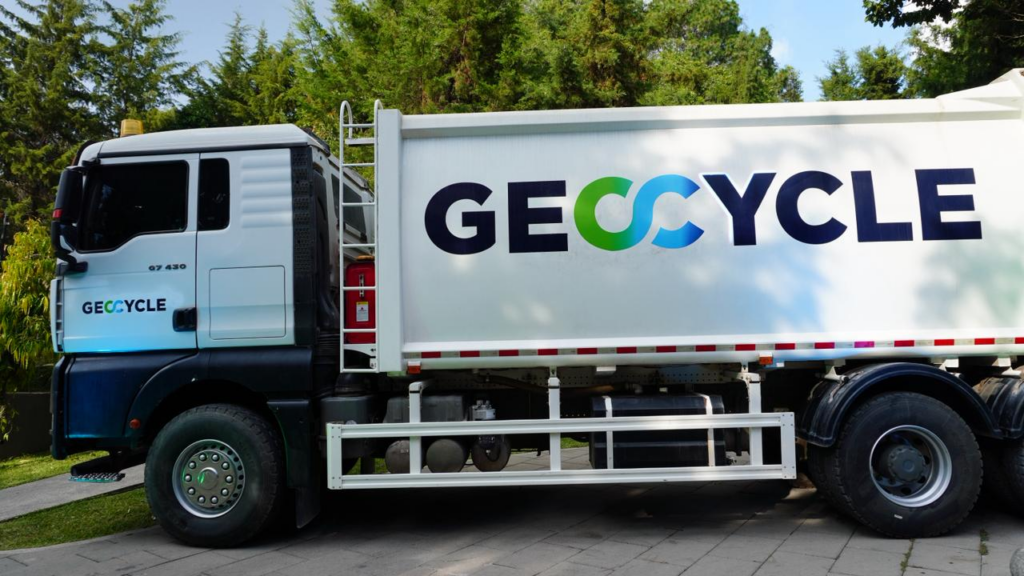
Among the highlighted projects is the installation of a satellite shredder at the source, which will expand the processing capacity of classified urban solid waste. This initiative will reduce more than 6 thousand tons of Carbon Dioxide (CO₂), prevent more than 4 thousand tons of plastic from reaching landfills, and will have an environmental impact equivalent to removing 14 thousand vehicles from circulation or the annual absorption capacity of one million trees.
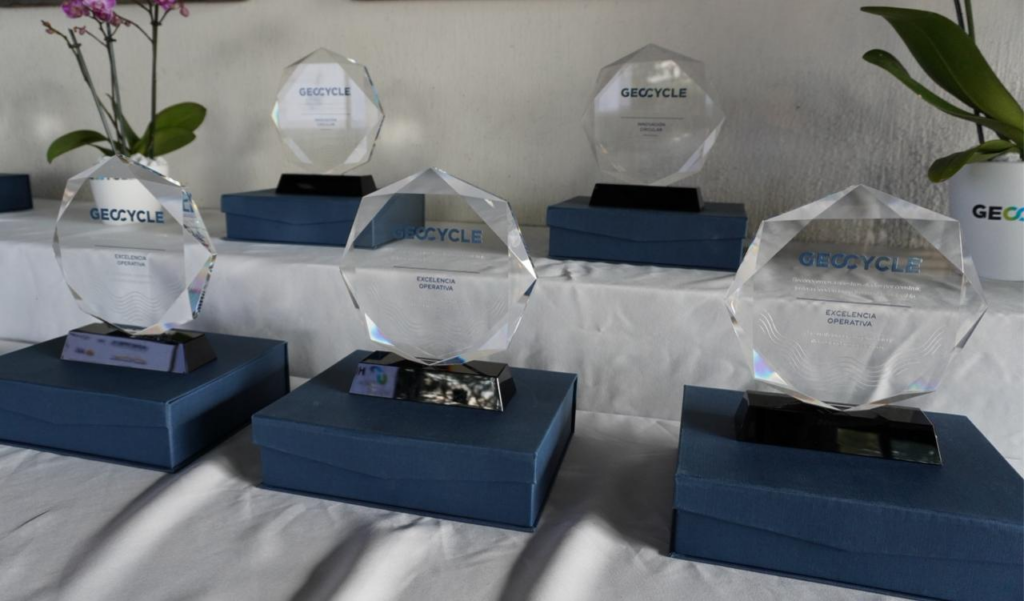
Globally, Geocycle operates in nearly 30 countries, with more than 100 locations and 75 facilities specialized in circular solutions. The company works with industrial, agricultural, and municipal waste, converting it into resources for the cement industry.
In El Salvador, it maintains partnerships with companies such as Nestlé, Aeroman, and Alas Doradas, as well as municipalities, for the recovery and valorization of waste such as oils, sludge, and textile remnants.
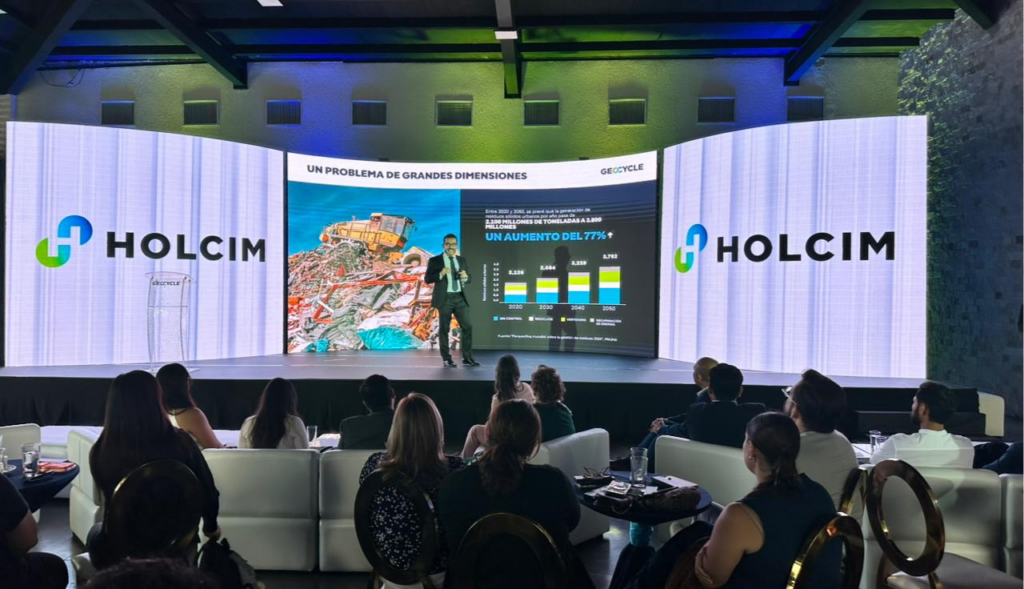
The company reaffirmed that sustainability is a strategic priority in light of the projected growth of urban waste worldwide, which could increase by 50% by 2050.
“ Sustainable transformation requires a shared vision and long-term partnerships,” highlighted Eduardo Portugal, Head of Geocycle in El Salvador.