

 dinero_admin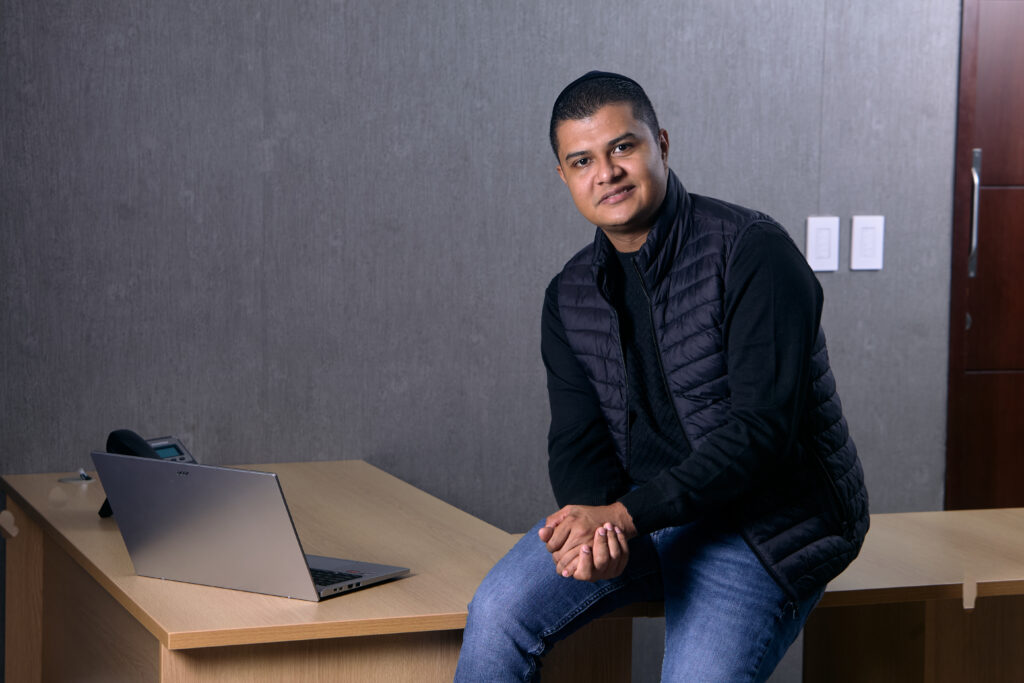
For three decades, the internet moved information. Today, it moves property. And El Salvador, against all odds, has positioned itself at the forefront of this transformation that is already redrawing the economic map of Latin America.
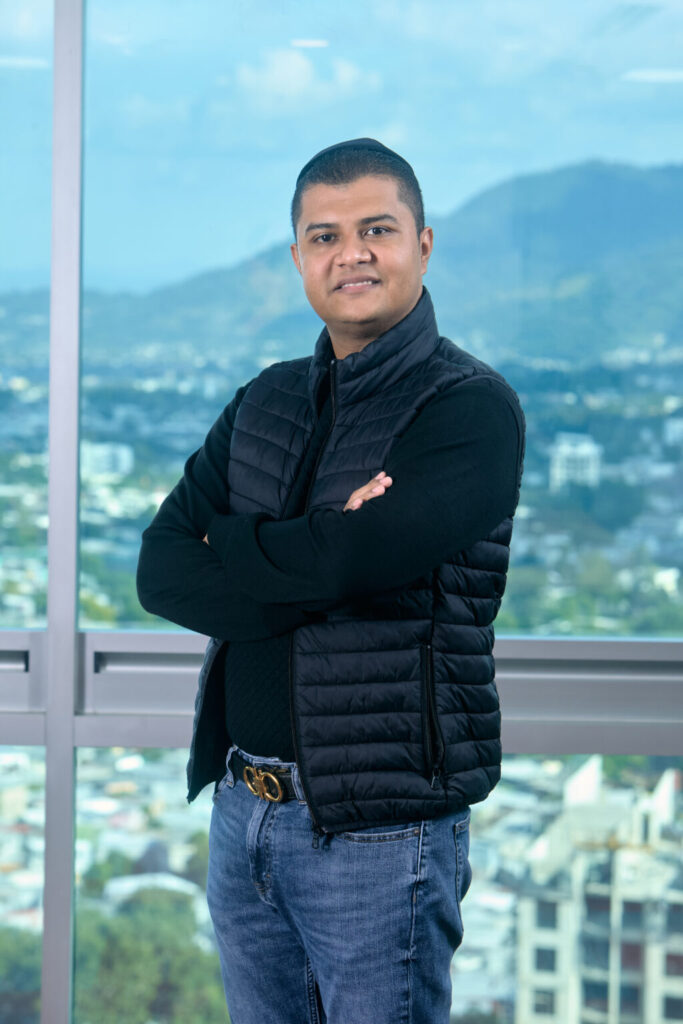
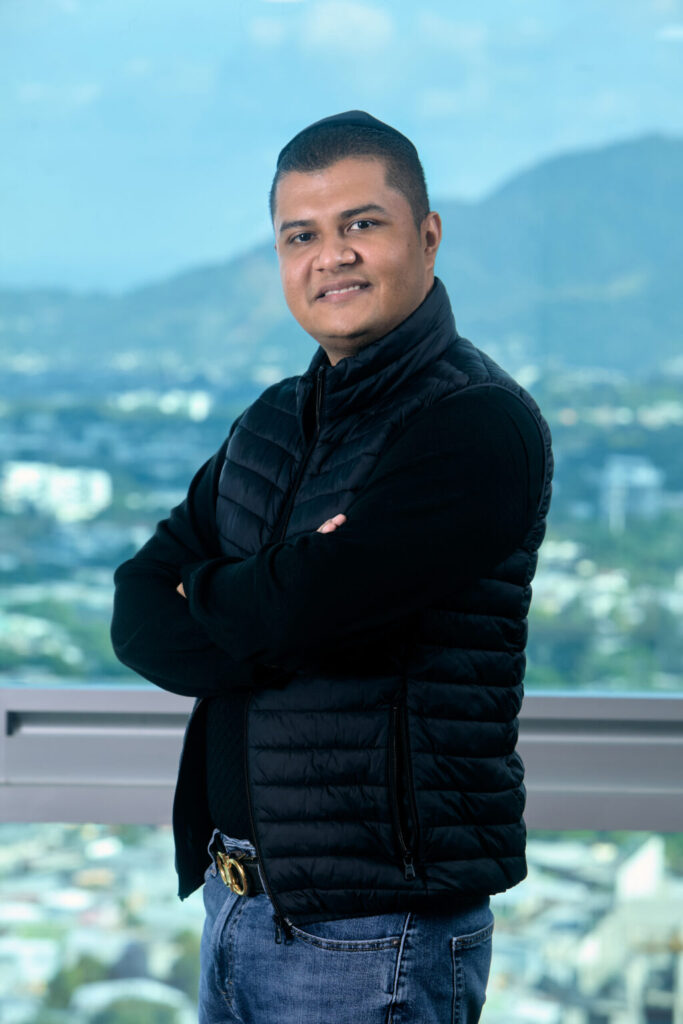
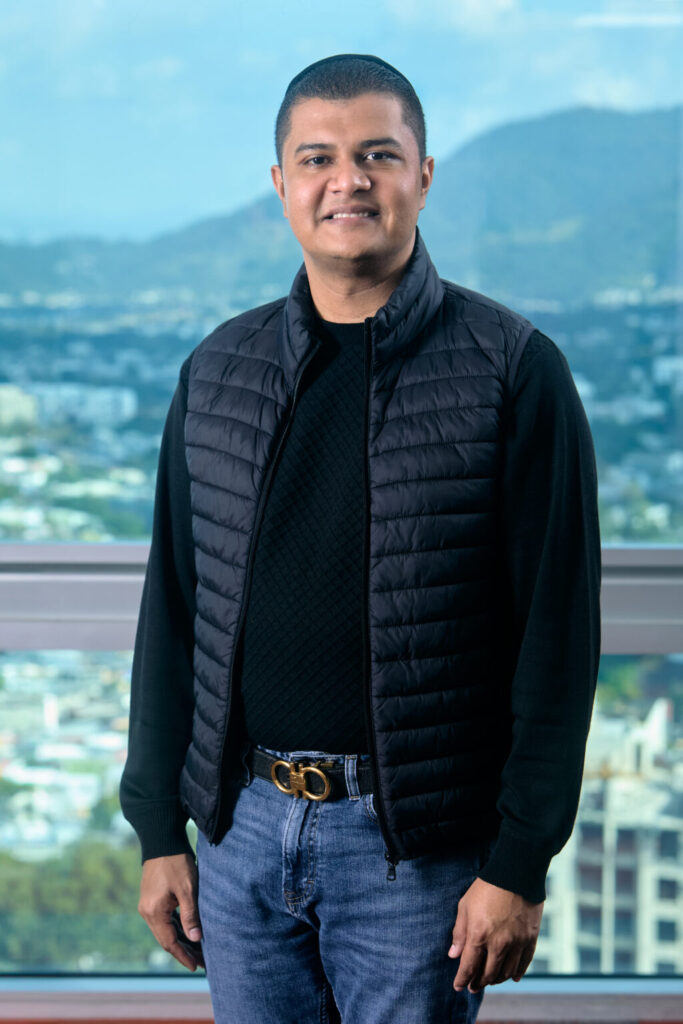
By Emanuel — Global CEO of Rush Ecosystems
There are moments in economic history that are only recognized in retrospect. Few understood, in 1995, that email heralded the end of entire industries. Almost no one imagined, in 2007, that a touchscreen phone would rewrite how we shop, work, and connect. We are living through one of those moments today. The difference is that this time, El Salvador isn’t watching from the sidelines: it’s building the infrastructure.
To understand why, it’s helpful to look at the very nature of the internet. Its evolution is usually summarized in three stages. The first—Web 1, in the 1990s—was the internet of information: static, read-only pages. Second, Web 2, the web of platforms and social networks—was the internet of interactions: we could finally write, publish, and connect, albeit at the cost of handing over our data and identity to a handful of large corporations that control them. The third, the one that is just beginning, is Web 3: the internet of value and ownership.
The difference is fundamental. In Web 2, when we upload a photo or build an audience, those assets reside on external servers and can disappear at the whim of a third party. Web 3 reverses this logic: thanks to blockchain technology distributed, transparent, and tamper-proof ledger—the internet acquires, for the first time, the ability to represent, transfer, and liquidate real property. Money, debt, stocks, real estate, commodities: everything can circulate with the same ease with which we send a message today, but without a single intermediary safeguarding the truth. Ownership ceases to depend on trust in an institution and becomes guaranteed by the code itself.
That is the promise of digital assets, and the heart of Web 3. This isn’t an abstraction reserved for enthusiasts: it’s a change in the plumbing of global finance that’s already happening.
From theory to trillions
It’s worth looking at the numbers, because they’re compelling. The global market for real-world assets that can be tokenized—real estate, bonds, commodities, private credit—is around $450 trillion. Of that colossal figure, less than $35 billion currently resides on blockchain infrastructure. It’s a tiny fraction, and that’s precisely where the opportunity lies.
The value of tokenized real assets on public chains, excluding stablecoins, exceeded $32 billion by mid-2026, almost triple what it was a year earlier. Tokenized US Treasury bonds lead this market with about 45%; digital gold is second, and tokenized stocks are the fastest-growing category. Managers like BlackRock manage more than $2.4 billion in tokenized funds, and banks like J.P. Morgan issue asset-backed securities on these networks.
Where is all this headed? Projections vary, but they all point in the same direction: Boston Consulting Group and Ripple estimate up to $18.9 trillion by 2033, McKinsey calculates between $2 and $4 trillion by 2030, and Standard Chartered up to $30 trillion by 2034. Whatever the exact figure, they all describe growth of two orders of magnitude in less than a decade.
The relevant question for our region is not whether this will happen, but who will capture the value when it does.
El Salvador: From experiment to ecosystem
The international narrative about El Salvador was frozen in september 2021, when we became the first country in the world to recognize Bitcoin as legal tender.
That headline circled the globe, but few observers noticed what came next: while the debate focused on the price of a cryptocurrency, the country was building, brick by brick, one of the most comprehensive regulatory frameworks for digital assets in the world.
The turning point was the Digital Asset Issuance Law (LEAD), in effect since 2023, which enabled the tokenization of agricultural commodities, debt, and financial instruments, and created the National Digital Assets Commission (CNAD) as the sole supervisory authority. This legal framework is not a technical detail: it is the difference between a media experiment and a functional capital market.
The results speak for themselves. In late 2023, the first public offering of a token backed by a real asset was authorized a $100 million issue linked to soybean production. In march 2026, a salvadoran bank carried out the country’s first tokenized bank issuance, for $50 million, through the Grupo Bolsa de Valores exchange. A traditional bank financing itself with tokenized debt, under local supervision: that’s Web3 in full operation.
The most revealing figure is one of scale. The CNAD reported in early 2026 that it supervises more than $300 billion in digital assets, a good portion linked to Tether—the world’s largest issuer of stablecoins, which moved its headquarters to San Salvador in 2025—and more than sixty registered providers. A country of just over six million inhabitants supervising volumes of digital assets that many developed economies would envy.

Democratizing capital: the promise that really matters
All the above would be an exercise in financial engineering if it didn’t address a concrete human problem. For generations, the best investment opportunities have been reserved for those who already have capital: office buildings, portfolios of sovereign bonds, energy projects. Instruments that require investments of hundreds of thousands of dollars and that, by design, exclude the average citizen. Tokenization breaks down that barrier. By dividing an asset into thousands of digital units, it allows you to invest one hundred dollars where one hundred thousand were previously needed.
Latin America—with more than 660 million inhabitants, a young population that, according to the ILO, is 25% between the ages of 15 and 29, and one of the highest cryptocurrency adoption rates on the planet according to Chainalysis—has all the ingredients to lead this transition. The Inter-American Development Bank projects that the digital economy could represent up to 15% of the region’s GDP by 2030. For our region, digital assets are not an imported curiosity: they are a structural opportunity for economic mobility.
In El Salvador, where a historically large portion of the population has lacked full access to formal financial services, this translates into concrete scenarios.
A merchant can own a fraction of a real estate project; a farmer can finance themselves by issuing tokens backed by their future harvest, without relying solely on banks; remittances can move instantly and at marginal cost over the same networks. And liquidity completes the picture: traditional markets operate during office hours and settle in days, while tokenized assets are traded 24/7 and settled in seconds.
The real bottleneck: training
Let’s be honest: the infrastructure exists, the legal framework exists, and institutional capital is arriving. The limiting factor today is none of these: it’s knowledge.
The best digital asset regulation in the hemisphere is useless if entrepreneurs don’t know how to tokenize their assets, if investors don’t understand the risks—which exist and are real: volatility, custody, fraud—and if financial professionals don’t master the tools. The World Economic Forum estimates that by 2027, 44% of core job skills will have changed, and skills related to decentralized technologies are among those with the highest projected growth. Training in this ecosystem today isn’t about anticipating the future; it’s about responding to the present.
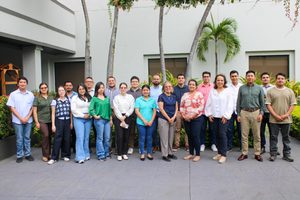
That’s why at Rush Ecosystems, we’ve made education the core of our strategy, not an afterthought. Through Rush Academy, with an active presence in Morazán and ongoing expansion into San Marcos, we’ve developed three units designed to support people at different stages of their lives and from different entry points to the ecosystem. The Digital Academy trains professionals and university students in blockchain, decentralized finance, digital identity, token economy, and smart contracts, emphasizing building lasting expertise rather than chasing trends.
The Social Technology unit recognizes that not everyone comes to Web3 for technical or financial reasons, and it connects the ecosystem’s capabilities with the specific needs of organizations and communities that see technology as a driver of development. And Rush Kids introduces computational thinking, the logic of digital assets, and the culture of decentralization to children aged 8 to 14: a long-term commitment to training not only users, but also builders of the ecosystem.
There is a methodological principle that runs through all three units: learning by doing. In Web3, true understanding only comes from within: there is no conceptual shortcut that replaces executing the first on-chain transaction, voting in a decentralized organization, or interacting with a financial protocol in real time. This conviction guides each module and has also been the bridge for forging alliances with traditional academia: Rush Academy has signed an agreement with a private Salvadoran university that combines the agility and practical methodology of the ecosystem with the institutional structure of higher education.
A window that won’t stay open
Historic windows of opportunity have an uncomfortable characteristic: they close. El Salvador gained something that money can’t buy—time and a reputation as a pioneer—but that advantage is fleeting. Other jurisdictions, from Switzerland to Singapore, are moving quickly, and frameworks like the GENIUS Act in the United States or MiCA in Europe are providing the regulatory clarity that for years was our competitive advantage.
The task in the coming years is to transform that regulatory leadership into real economic leadership: attracting companies, developing talent, building products the world wants to use, and exporting knowledge, not just importing capital. This requires close collaboration between the government, the private sector, and academia.
Let’s return to the beginning. Web 1 made distance irrelevant for data; Web 3 will make it irrelevant for capital. And for the first time, a small Central American economy isn’t waiting for this transformation to come from the outside: it’s shaping it from within, and it can export it to the region.
The question, then, isn’t whether digital assets will change our economy. They already are. The question is whether Salvadorans—and Latin Americans—will be able to rise to the challenge of what we ourselves have started.

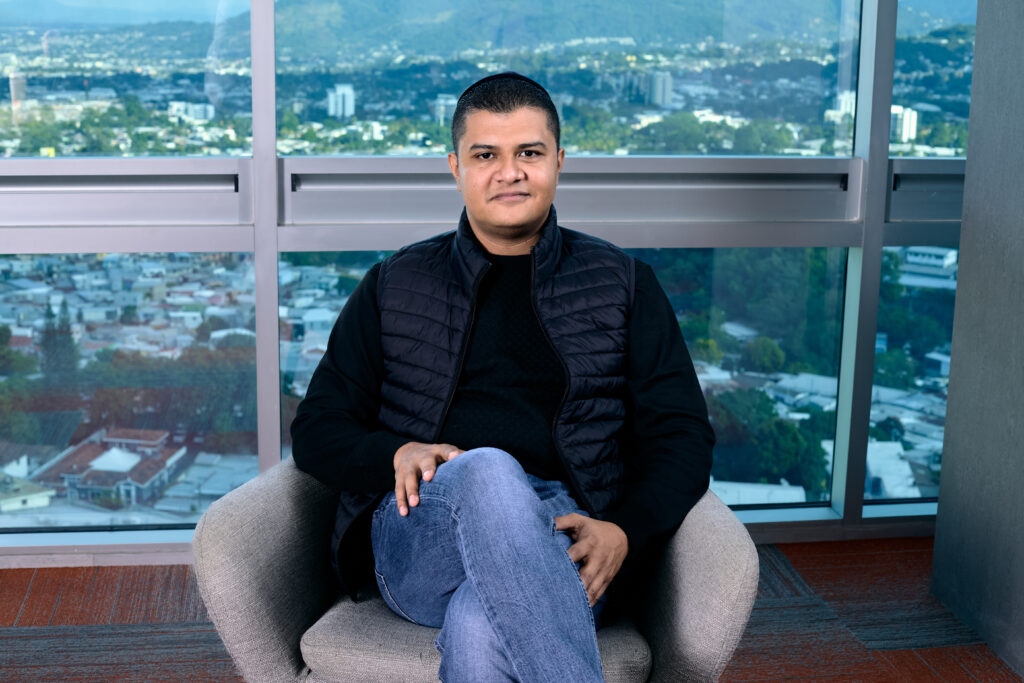
Emanuel is the Global CEO of Rush Ecosystems, a company dedicated to blockchain adoption, consulting on emerging technologies, and developing Web 3 talent in El Salvador and the region.