

 dinero_admin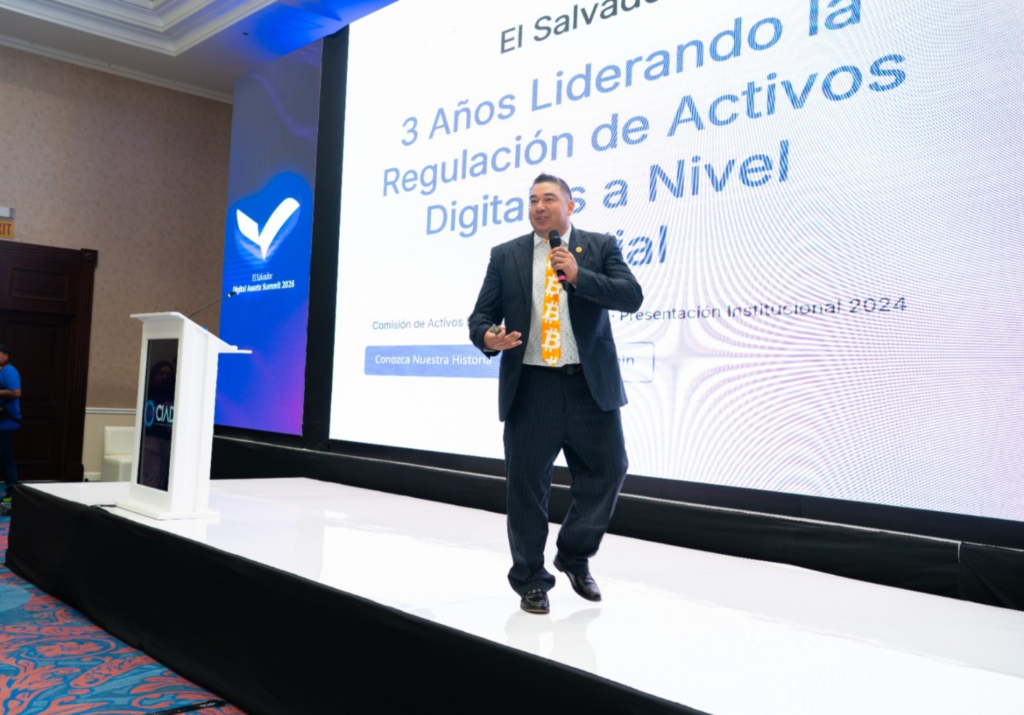
The memoranda of understanding promoted by the Comisión Nacional de Activos Digitales (CNAD) have a long-term strategic objective: to facilitate the operation and expansion of companies regulated in El Salvador into other international markets. This was explained by CNAD President Juan Carlos Reyes during an interview with Dinero.COM.SV, where he noted that the goal is to build mechanisms for mutual recognition among regulatory authorities in different countries.
According to Reyes, these agreements would allow other nations to learn about and trust the supervisory standards that El Salvador applies to digital asset companies authorized in the country. In this way, companies that already comply with salvadoran regulatory requirements could have greater opportunities to develop businesses in jurisdictions with which cooperation agreements exist.
The official explained that the regulation of digital assets requires an international perspective, since operations are carried out in digital environments that are not limited by geographical borders. Therefore, CNAD has fostered alliances with various countries to exchange knowledge, strengthen supervisory capabilities, and facilitate collaboration on investigations related to the sector.
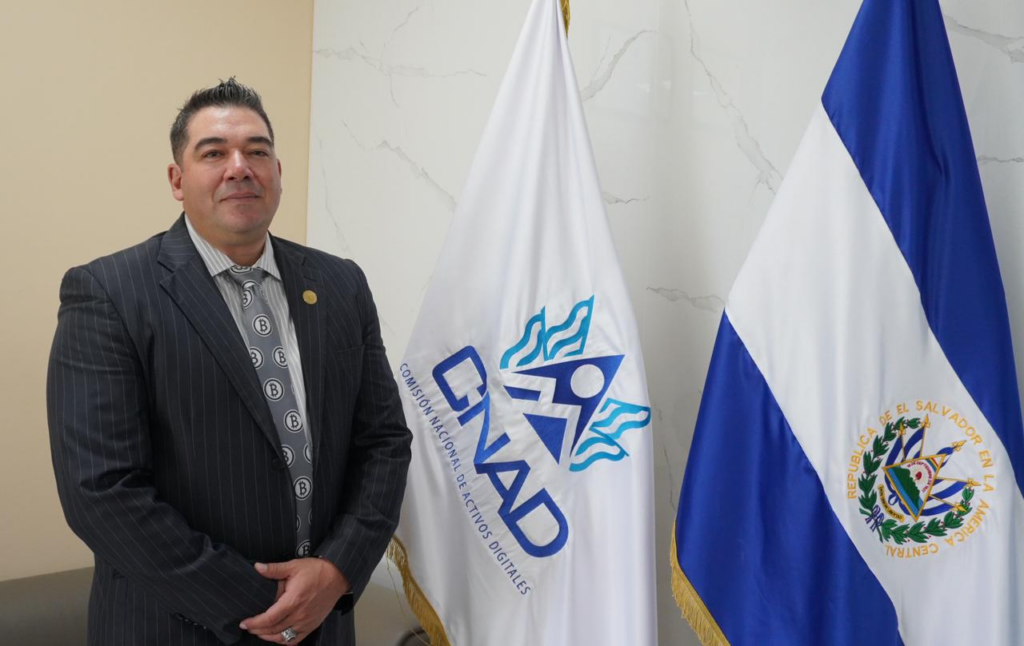
Currently, the commission maintains agreements with more than ten countries, including Argentina, Bolivia, Colombia, Paraguay, Uruguay, Cuba, and Kazakhstan, in addition to ongoing collaborations with other nations interested in learning about El Salvador’s experience in digital asset regulation.
Reyes emphasized that El Salvador has become an international benchmark thanks to the regulatory framework developed for the industry. Unlike other countries that opt for basic registrations for companies in the sector, the CNAD applies licensing processes that include legal, regulatory, technological, financial, and anti-money laundering reviews.
The president of the institution affirmed that this model has allowed for the construction of a robust ecosystem and the attraction of major international companies linked to digital assets and tokenization. He also highlighted that supervision is strengthened by blockchain technology, which offers greater levels of traceability, transparency, and immutability in transactions.
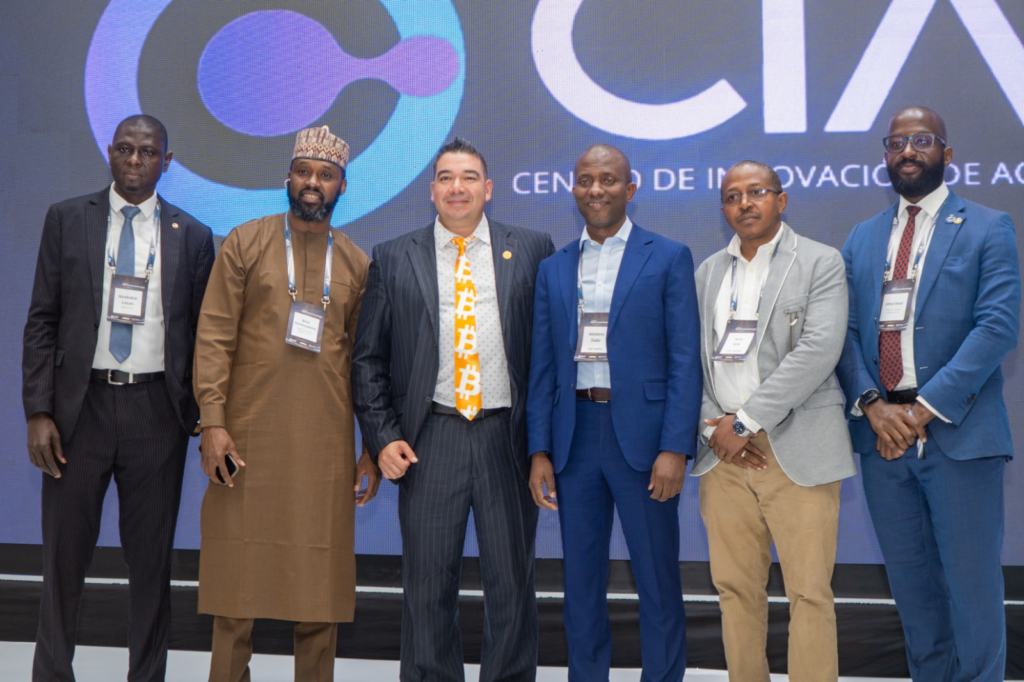
Specialized training strengthens the CNAD’s capabilities.
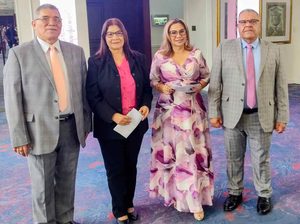
In addition to international cooperation, Reyes emphasized the importance of ongoing training for the institution’s staff. In this context, he highlighted the graduation of the second class of CNAD employees who completed a specialized postgraduate program in digital assets offered by the Universidad del CEMA (UCEMA) in Argentina.
The official explained that the initiative is part of a strategy aimed at strengthening the technical capabilities of those involved in the regulation and supervision of a constantly evolving industry. He indicated that the first class had approximately 15 participants, all of whom successfully completed their studies, while the second cohort also graduated a group of over 15 individuals.
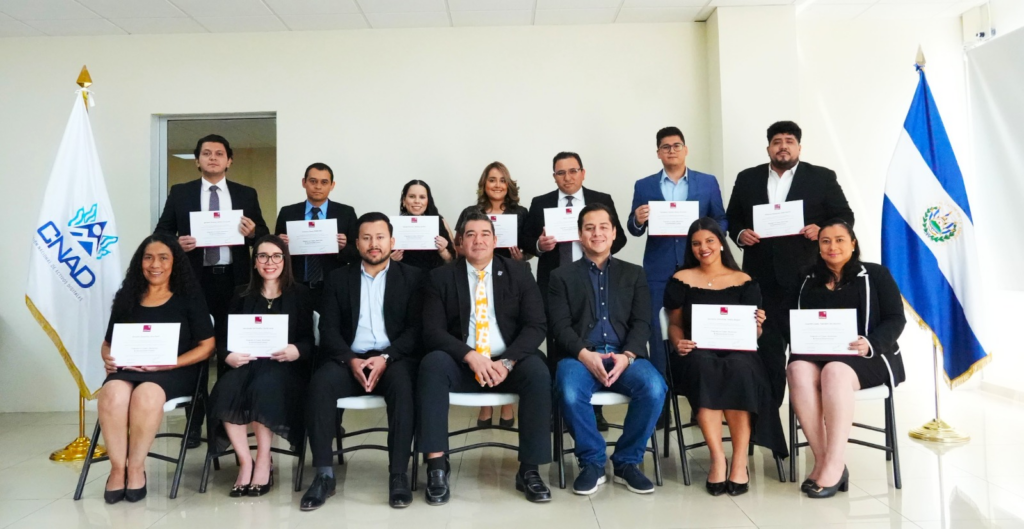
Reyes noted that the CNAD promotes an institutional culture based on lifelong learning and professional development. As an example, he mentioned that some employees who began in administrative roles went on to specialize in digital assets and subsequently join technical areas related to regulation and supervision.
He also highlighted that the institution has promoted complementary training programs, especially in English, given that much of the technical documentation, technological development, and programming related to digital assets is done in that language. In her view, strengthening these skills allows staff to be better prepared to interact with companies, regulators, and international experts in the sector.
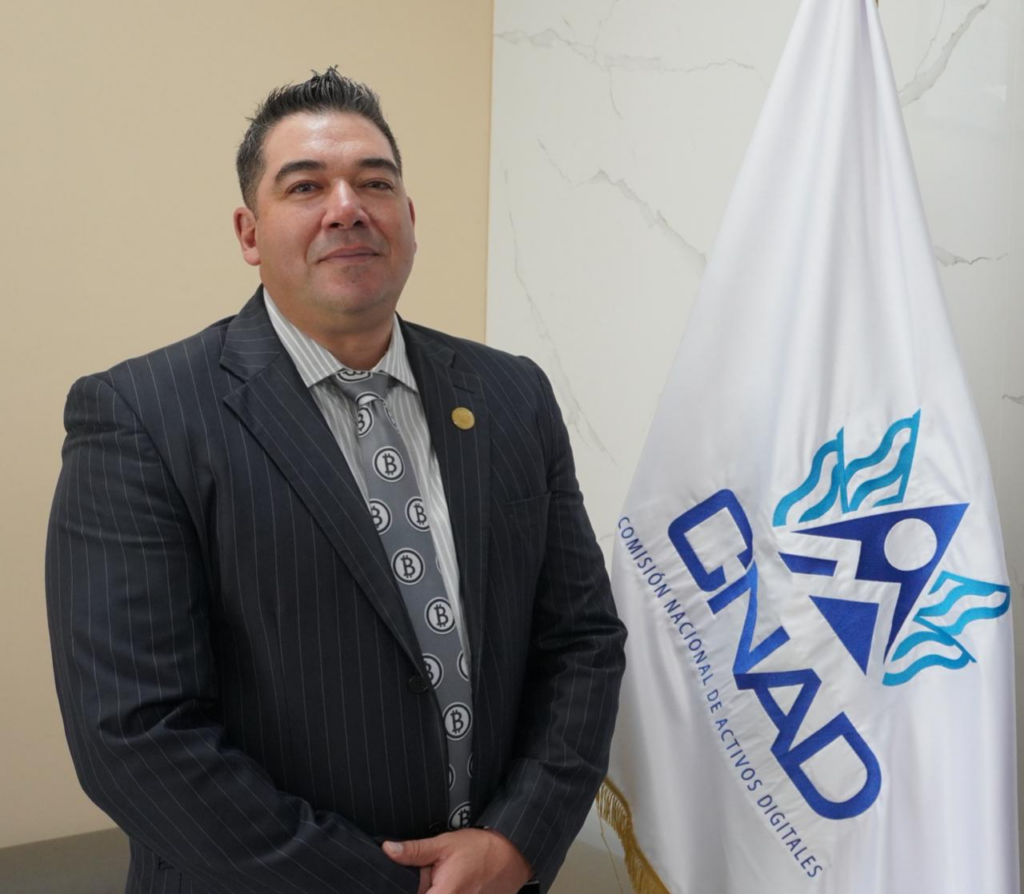
For the CNAD, the combination of specialized training, robust regulation, and international partnerships aims to consolidate El Salvador’s position as one of the most advanced countries in the development and supervision of digital assets worldwide.
You can also read: