

 dinero_admin
The Finance and Special Budget Committee of the Legislative Assembly issued a favorable opinion to extend for one year the validity of the Ley Especial Transitoria para Sancionar Infracciones a la Cadena de Comercialización de Productos Derivados del Petróleo. This legislation allows authorities to monitor the sale of fuels and liquefied petroleum gas (LPG) to ensure that consumers receive quality products at the authorized price and in the exact quantity.
With this decision, the proposal will continue its legislative process and must be submitted to the full Legislative Assembly for consideration, which will have the final say on its approval or rejection.
The current legislation expires on june 30. If approved by the deputies in plenary session and subsequently published in the Official Gazette, the extension would take effect on july 1, 2026, and remain in force until june 30, 2027.
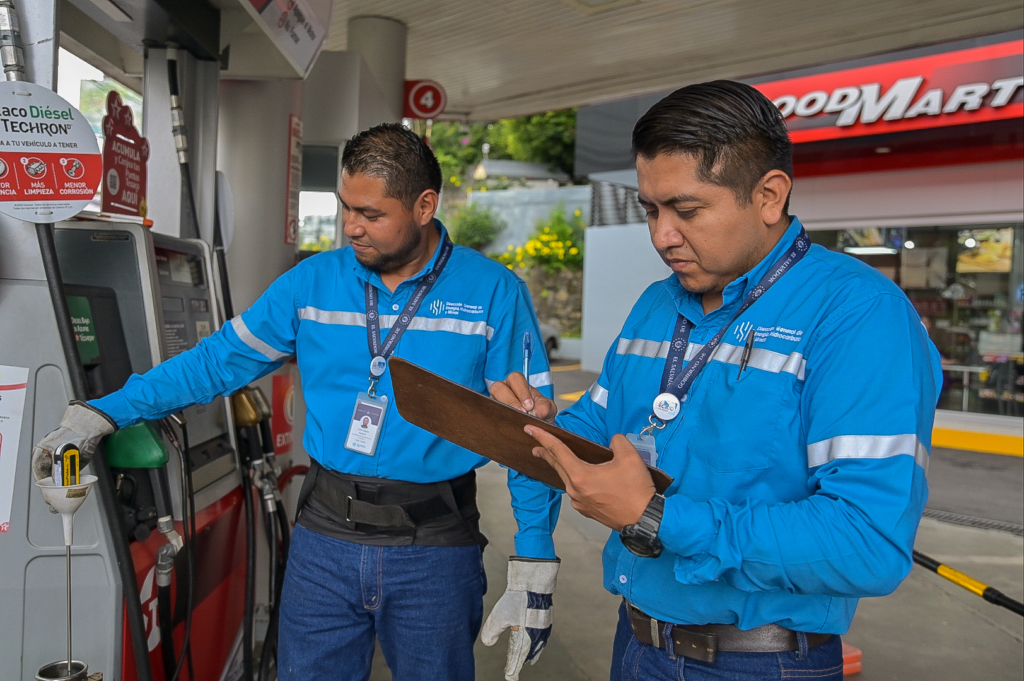
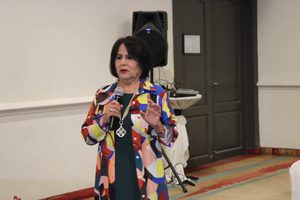
During the analysis of the initiative, the legal manager of the Dirección General de Energía, Hidrocarburos y Minas (DGEHM),Jaqueline Palacios, explained to the legislators that the extension of the law seeks to maintain the powers of inspection, oversight, and supervision over fuel service stations and companies dedicated to the bottling and sale of liquefied gas.
According to the official, these tools allow verification that establishments respect the established maximum prices, sell products that meet quality standards, and deliver to consumers the exact quantity they are paying for.
Palacios maintained that the continuity of the regulations will provide greater legal certainty for users and strengthen control mechanisms over the supply chain of petroleum products. The legislation also includes a sanctions regime for those who violate the established provisions. Among the infractions subject to fines are obstructing inspections carried out by the authorities or selling fuels and gas cylinders above authorized prices.
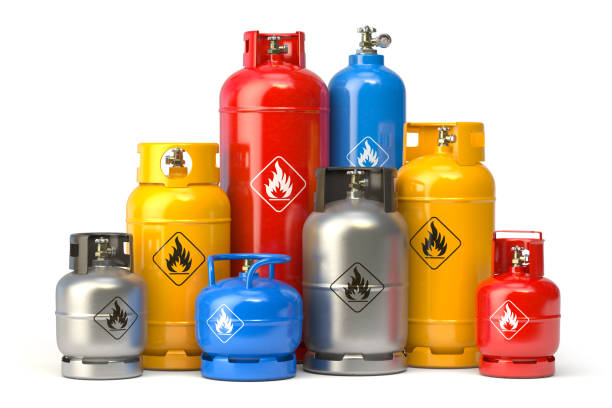
In these cases, the fines range from US$500 to US$100,000, depending on the severity of the infraction.
Likewise, the law establishes more severe fines for specific conduct such as refusing to stop vehicles from leaving during an inspection or failing to fill domestic gas cylinders with the exact amount of gas. For these offenses, the penalties can range from US$10,000 to US$100,000.
With the favorable opinion issued by the Finance Committee, the proposal advances to the next stage of the legislative process. The full Legislative Assembly will now debate and vote on the initiative to determine whether the special oversight and sanctioning powers will remain in effect for another year.
You can also read: