dinero_admin
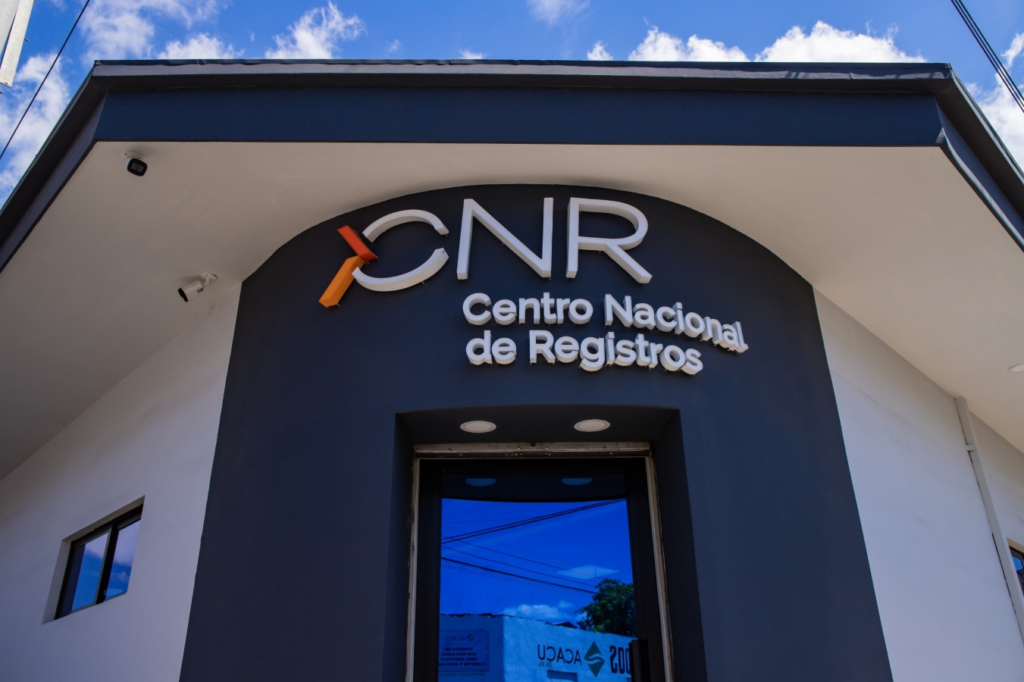
The Centro Nacional de Registros (CNR) will play a fundamental role in the implementation of the new Ley de Alianzas Público-Privadas (APP) currently under review by the Legislative Assembly’s Technology, Tourism, and Investment Committee. The CNR will become the institution responsible for providing legal certainty to projects developed under this model.
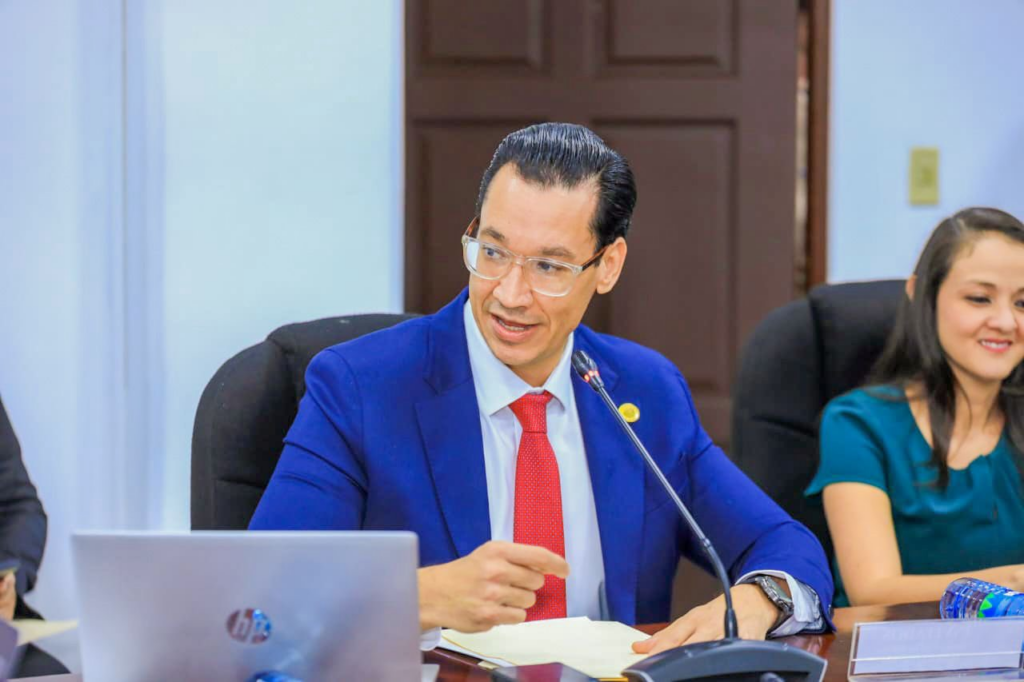
During a working session with legislators, the CNR’s executive director, Camilo Trigueros, explained that the institution would be responsible for legally supporting the companies, properties, guarantees, and rights associated with partnerships established between the State and the private sector.
The proposed law seeks to modernize the regulatory framework to facilitate the development of infrastructure and public service projects through the joint participation of government entities and private companies, based on principles of transparency, efficiency, and sustainability.
According to Trigueros, one of the CNR’s main functions would be to intervene through the Registro de Comercio para constituir las Sociedades de Propósito Especial (SPE), which would be companies created specifically to execute projects approved under public-private partnership models.
Likewise, the institution would be responsible for registering the financial guarantees that back the investments made. This would allow the projects to have legal mechanisms that provide confidence to both investors and financial institutions involved in their financing.
Another aspect highlighted by the official is the protection of the land and rights of way required for the execution of infrastructure works. He explained that the CNR would help ensure that these properties have adequate legal backing, reducing the risk of legal disputes that could delay or affect the development of the projects.
The proposal also includes the CNR’s participation in the registration of chattel mortgages and pledges, tools used to secure financial transactions related to the construction and execution of the works.
Furthermore, through the Instituto Salvadoreño de Propiedad Intelectual an entity attached to the CNR trademarks, patents, software, and copyrights arising during the development of projects executed under this scheme could be registered.
While the future Dirección Nacional de Alianzas Público-Privadas (DAPP) and the Ministry of Finance would be responsible for the technical, financial, and fiscal evaluation of the initiatives, the CNR would assume the function of guaranteeing the legal security of all elements related to each project.
Authorities believe that this legal backing will be key to attracting private investment and generating confidence in the public-private partnerships that may be developed in the country. The proposed law continues to be studied by the legislators and, if it receives a favorable opinion, must be submitted to a vote in the full legislature.
You can also read: