

 dinero_admin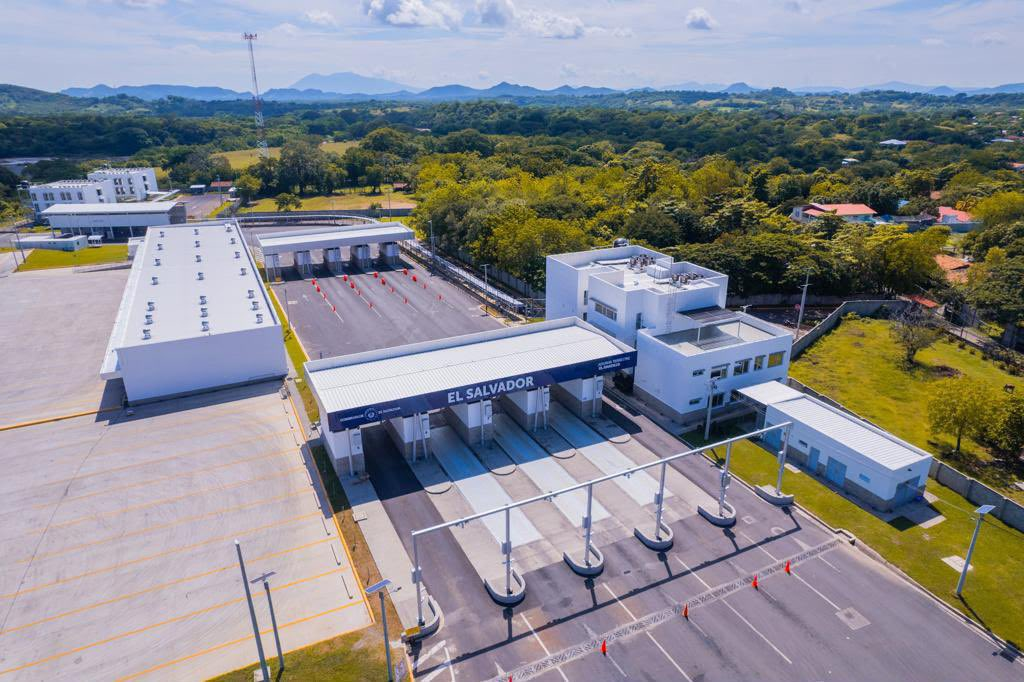
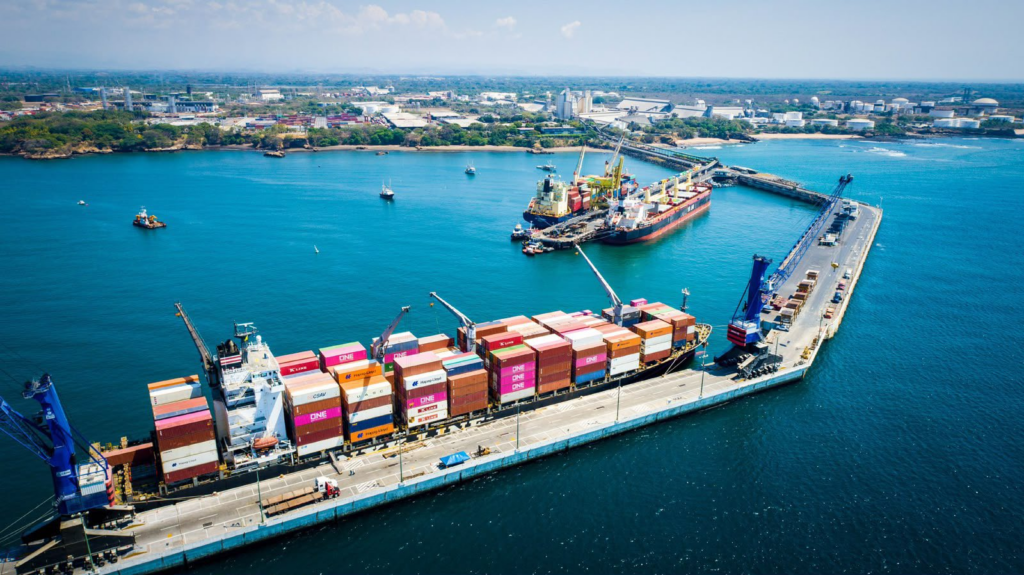
El Salvador continues to strengthen its economic competitiveness by implementing measures aimed at streamlining trade and improving the country’s logistics. Key actions include the digitization of procedures, including the adoption of electronic signatures; the coordination of border controls with Guatemala and Honduras; the expansion of El Salvador International Airport; and the expedited entry and exit of ships at the Port of Acajutla. These initiatives seek to reduce time and costs for trade operations.
These actions are part of the National Trade Facilitation Strategy, through which the government aims to make import and export processes more efficient, strengthen logistics infrastructure, and create a more favorable environment for attracting domestic and foreign investment.
The minister of Economy, María Luisa Hayem, reported that these measures have positioned El Salvador as an increasingly competitive country in terms of trade facilitation. She explained that over the past seven years, 17 government institutions and representatives from the business sector, led by the Comité Interinstitucional para la Facilitación del Comercio (CIFACIL), have worked on the implementation of seven annual plans.
As a result of this joint effort, more than 165 trade facilitation measures have been implemented, aimed at simplifying procedures, optimizing logistics, and streamlining trade operations—factors that contribute to reducing costs for businesses and improving the country’s competitiveness.

The official said that between january and april 2026, progress exceeding 76% of the commitments established for this year has already been recorded, reflecting the continued efforts to modernize foreign trade.
Hayem said that the objective is to consolidate a comprehensive strategy that allows El Salvador to offer more agile and efficient trade processes, strengthening its position as an attractive destination for investment and fostering economic growth.
You can also read: