

 dinero_admin
Buying a car represents a significant investment and, before making the decision, it is not enough to only analyze the sales price. The real cost of owning a vehicle includes a series of expenses that can impact on the monthly budget, from fuel and maintenance to paperwork, insurance and possible repairs. Knowing these costs allows us to determine if the car really fits the buyer’s economic capacity.
One of the first aspects to consider is the payment method. If the vehicle is acquired through credit, in addition to the monthly payment, it is necessary to take into account interest, insurance associated with financing and other charges that the financial institution may establish. Comparing different credit options and calculating how much you will end up paying for the car helps avoid committing too much of your income.
Fuel is another recurring expense that must be included in the budget. Its cost will depend on the type of vehicle, performance per gallon, distance traveled and frequency of use. Before buying, it is advisable to estimate how much fuel will be needed monthly based on your usual trips, since a car with an attractive price can end up representing a high expense if it has considerable fuel consumption.
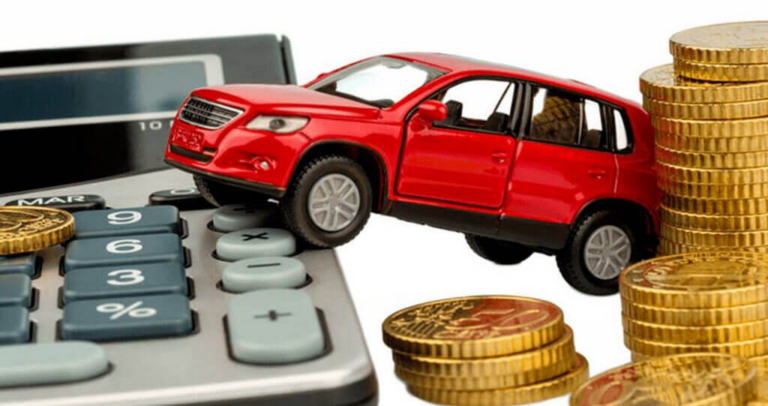
Preventive maintenance is also part of the cost of owning a vehicle. Changes of oil, filters, tires, brakes, battery and other components require periodic checks, and their price may vary depending on the model. Ignoring these expenses can lead to more expensive repairs later, so it is a good idea to check beforehand how much it costs to maintain the car you intend to buy and how often it needs service.
Added to these costs are the procedures and obligations related to the ownership of the vehicle. The buyer must consider expenses such as registration, renewal of documents and other procedures established by the corresponding authorities. It is also important to check the car’s history when it comes to a used vehicle, including possible fines, accidents, major repairs or any situation that could represent an additional expense.
Insurance is another item that should be incorporated into the budget. Its cost depends on factors such as the type of coverage, the model and year of the car, among other conditions. Having a policy can represent a periodic expense, but it can also reduce the economic impact of an accident, theft or damage to the vehicle, depending on the coverage contracted.

It is also a good idea to set aside money for unexpected expenses. A mechanical failure, a damaged tire, electrical system repair or an accident can generate disbursements that were not contemplated in the monthly budget. Maintaining a fund dedicated solely to the vehicle can help you deal with these situations without immediately resorting to loans or credit cards.
Before buying, it is advisable to calculate the total cost of having the car for one month and also project it to a year. Comparing this amount with your usual income and expenses allows you to know if there is sufficient financial capacity to maintain it. The purchase price may be the first expense, but fuel, maintenance, insurance, paperwork and repairs are what will determine how much the vehicle will cost over time. A decision based on all of these factors can help you choose a car that is not only affordable at the time of purchase, but also sustainable for your personal finances.
You can also read: