

 dinero_admin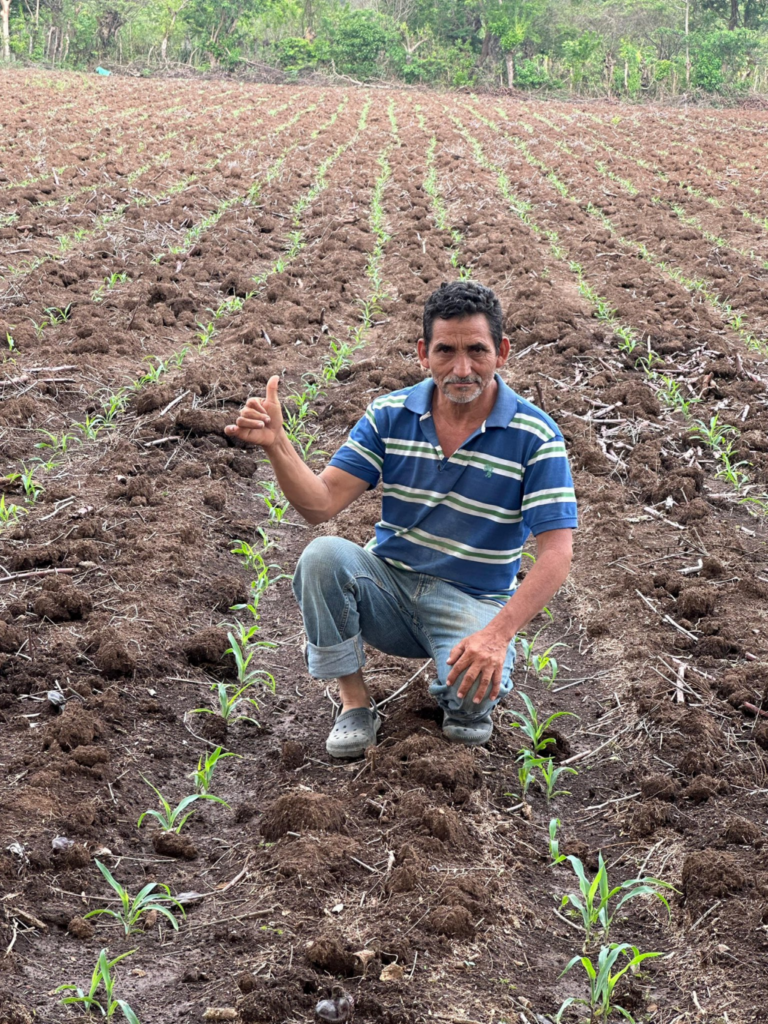
The Government of El Salvador plans to incorporate an additional 60,000 blocks of corn under irrigation systems in various regions of the country, as part of proactive measures to address the potential effects of the climate phenomenon known as “Super Niño.” This was announced by the Vice Minister Ad-Honorem of the Ministerio de Agricultura y Ganadería (MAG), Oscar Domínguez, who explained that the objective is to guarantee the national supply of the grain and maintain price stability.
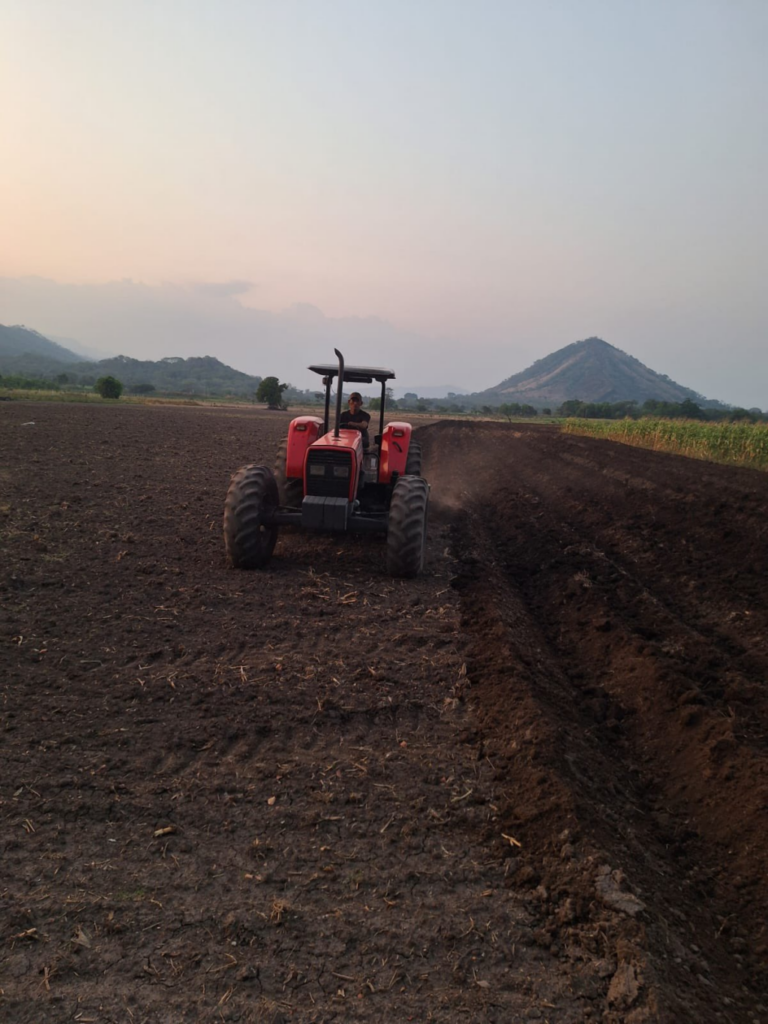
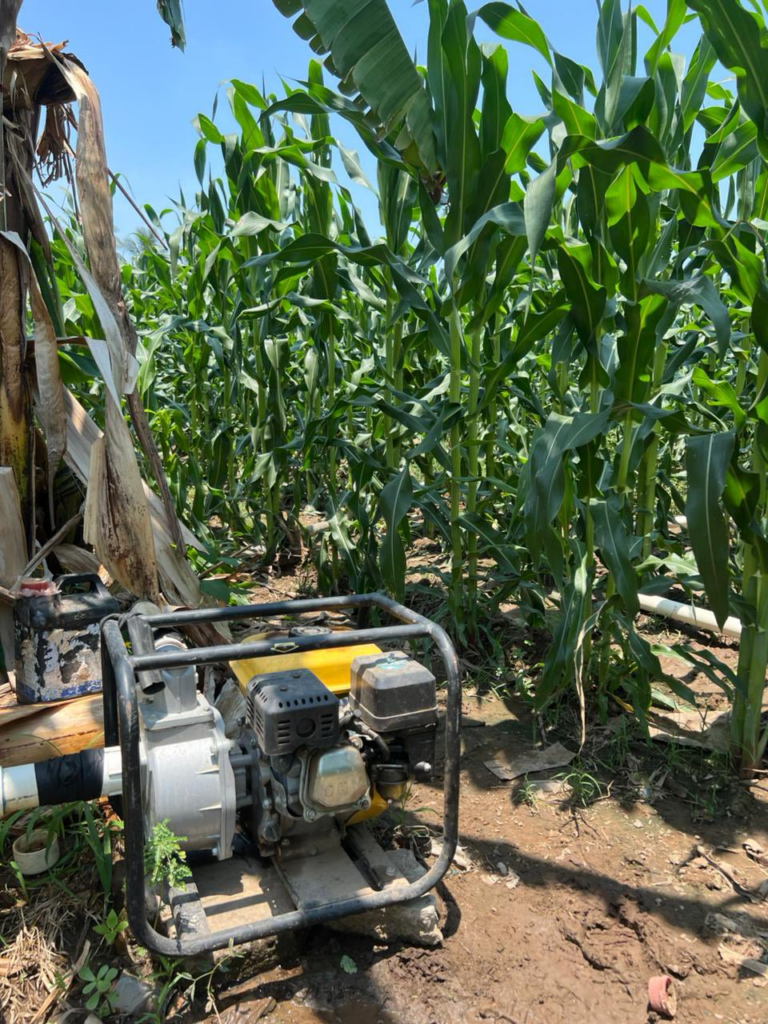
According to the official, the actions are already underway and include drilling wells, installing well points, and distributing mobile irrigation systems to accelerate corn planting in strategic areas of the country.
Domínguez noted that the climate phenomenon represents a global threat due to high temperatures and the potential reduction in rainfall, conditions that could significantly affect agricultural production. He affirmed that the Government is promoting preventative measures to avoid disruptions in the supply of basic foodstuffs.
The Deputy minister explained that the plan is part of the Production Increase Program, through which agricultural associations, cooperatives, irrigation districts, and large-scale producers are working together.
He also highlighted that the strategy has already yielded positive results in vegetable and bean production, and is now being used to strengthen corn production, considered one of the main staple grains consumed by salvadoran families.
The official assured that the goal is to strengthen the supply to the national market and maintain competitive prices for both producers and consumers.
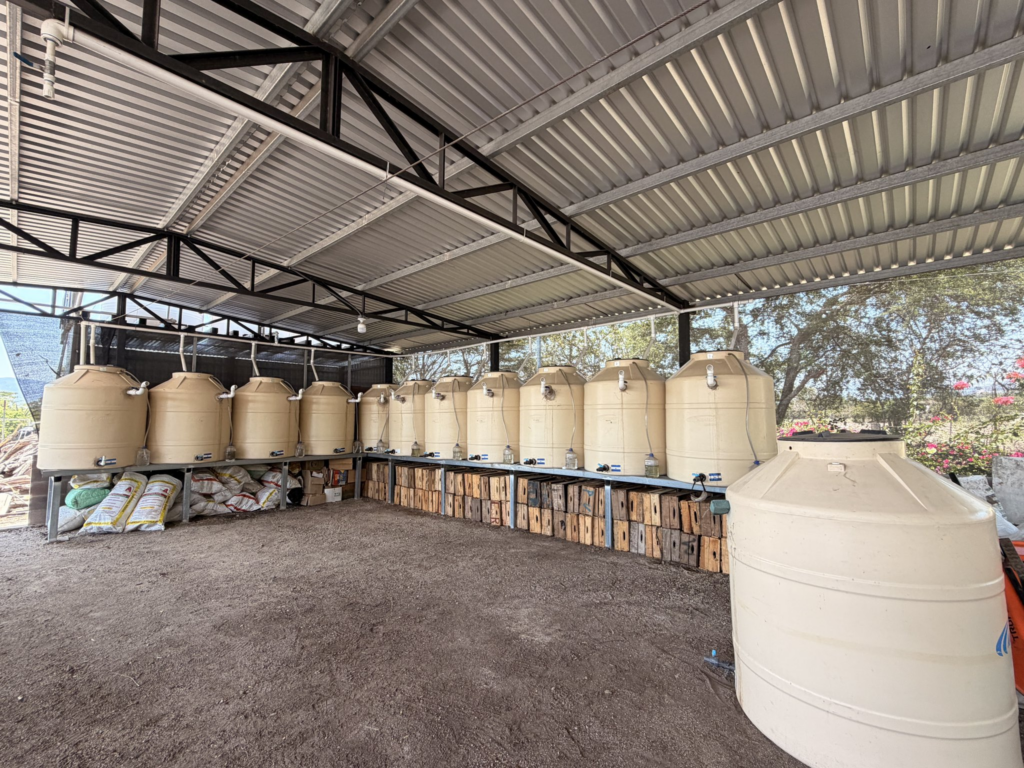
As part of the complementary measures, Domínguez reported that the Government will continue to guarantee low-cost agricultural inputs through AGROCENTA, in addition to advancing the installation of biofertilizer factories nationwide.
These biofertilizers aim to promote agroecological practices in various crops and reduce production costs for farmers. He explained that these practices are already being implemented in the country’s main producing regions, and the inputs will soon be available to the public.
The Deputy Minister also highlighted the support of international organizations such as the World Food Programme (WFP) and the Food and Agriculture Organization of the United Nations (FAO), entities that collaborate in strengthening the country’s agricultural response to the effects of climate change.
He also clarified that the additional 60,000 blocks (approximately 10,000 acres) of corn are part of a complementary effort, as thousands of blocks (approximately 1,000 acres) are already under cultivation in different producing regions of the country.
Domínguez maintained that, despite the difficulties posed by the climate phenomenon, the Government will continue to promote preventative measures to protect national production and guarantee the supply of basic foodstuffs for the salvadoran population.
You can also read: