dinero_admin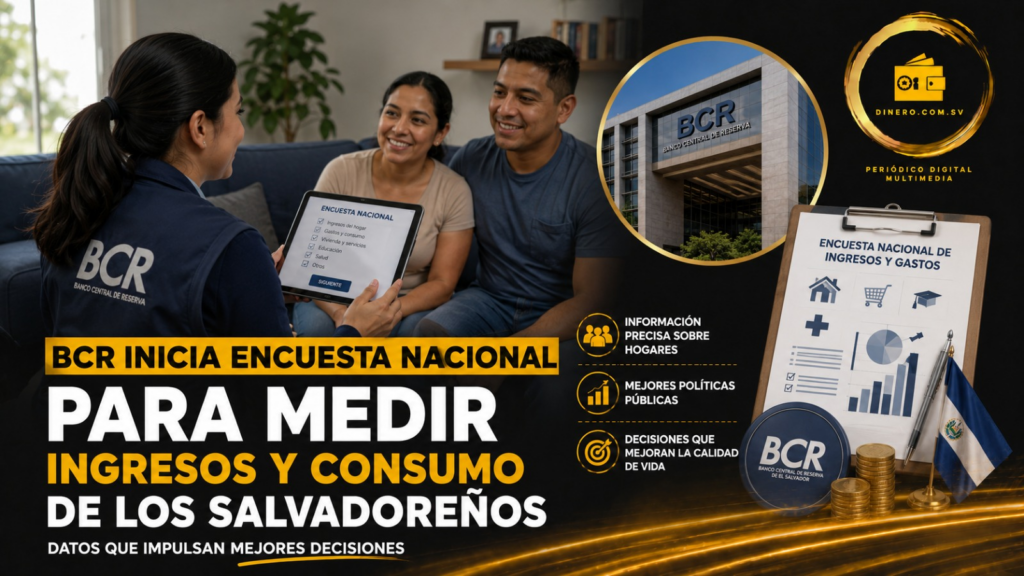
The Banco Central de Reserva (BCR) has launched the Encuesta Nacional de Ingresos y Gastos de los Hogares (ENIGH), a one-year study that will involve visiting approximately 20,000 households nationwide to determine how Salvadoran families earn and use their income.
The survey is part of the census initiative launched by the BCR in 2023 and will update information that has not been collected for more than 20 years. The data will serve to strengthen the country’s economic statistics and support the formulation of public policies.
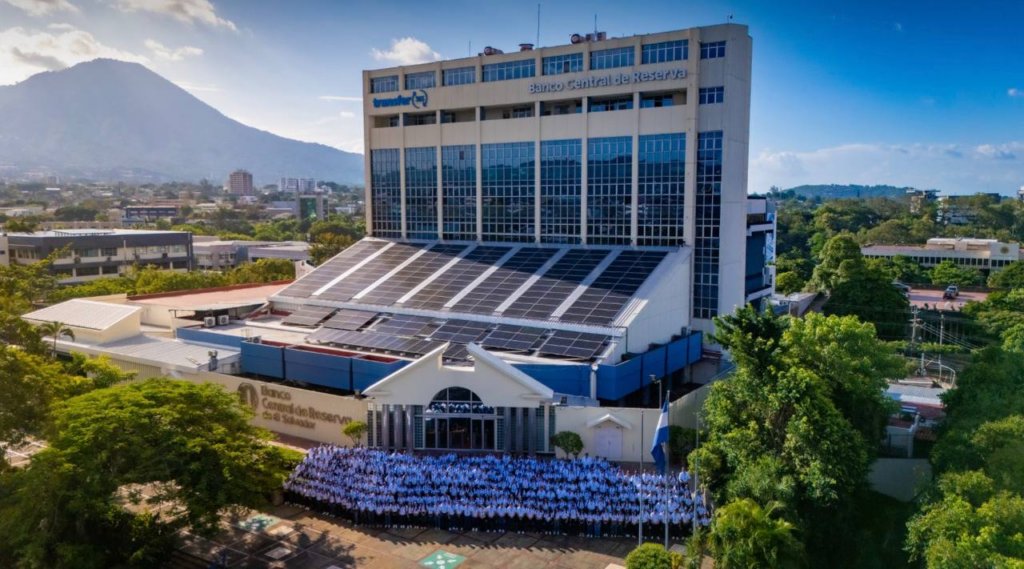
Through three modules, the ENIGH will collect information on household characteristics, sources of income, daily, monthly, quarterly, and annual expenditures, as well as time use. In addition, the results will help update indicators such as the Índice de Precios al Consumidor (IPC) and Canasta Básica Alimentaria (CBA).
Each selected household will be visited over a two-week period, during which surveyors will collect the necessary information. As a token of appreciation for their participation, the BCR will provide a US$100 incentive, which will be deposited via the PAY digital platform, which allows users to send and receive money without needing a bank account.
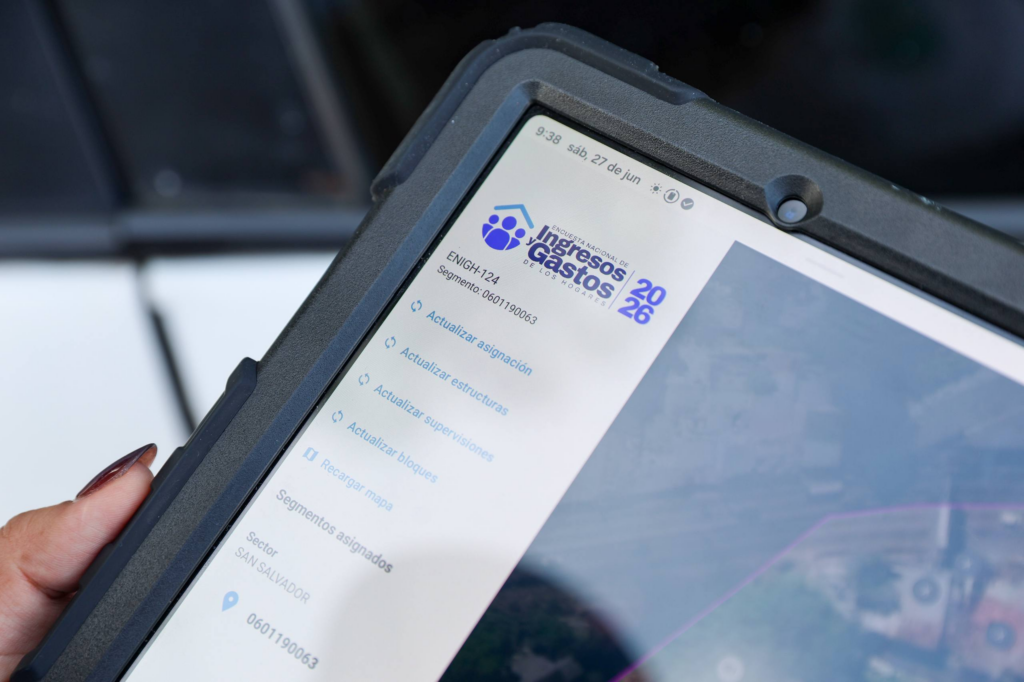
Data collection will be conducted using electronic devices, which will allow for real-time validation of the information and improved quality controls. In addition, the study is receiving technical support from the Economic Commission for Latin America and the Caribbean (ECLAC) and the International Monetary Fund (IMF), while approximately 350 people will travel throughout the country to conduct the fieldwork.
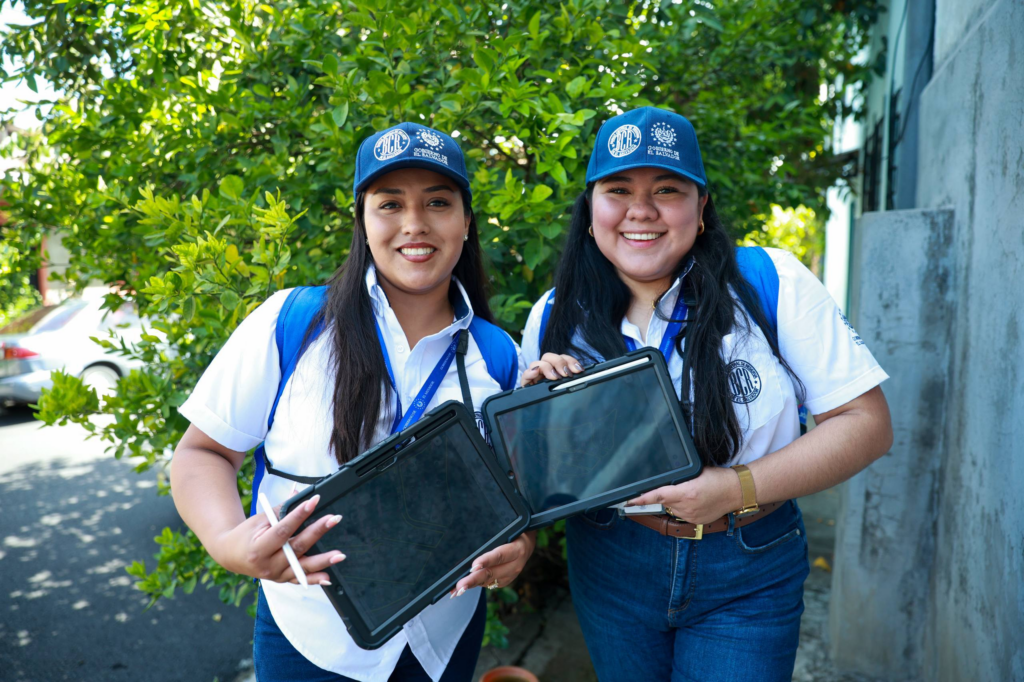
The BCR assured that all information will be protected by statistical confidentiality as established in the Special Law on Statistics and Censuses, meaning the data will be used solely in aggregate and confidential form. Additionally, it invited the selected families to participate in this effort, emphasizing that the information will provide updated statistics to strengthen decision-making and the design of public policies in El Salvador.
You can also read: