

 dinero_admin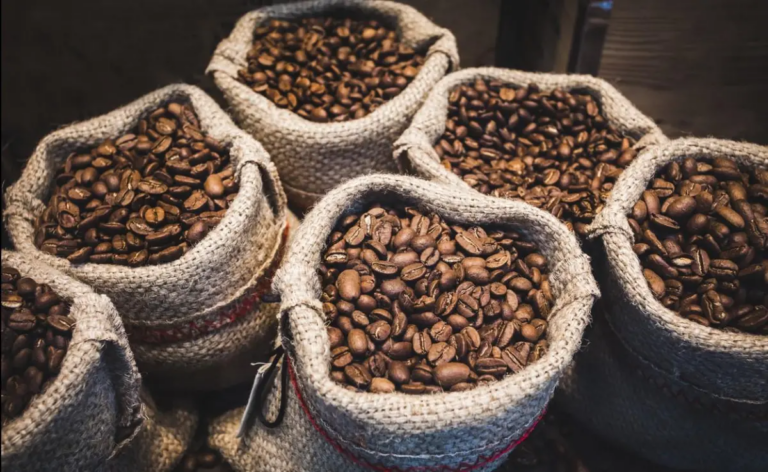
The international price of coffee closed july with a significant increase of 9.05%, reaching US$332.10 per quintal gold for the KCU26 contract for september 2026. The data is part of the most recent market note from the Instituto Salvadoreño del Café (ISC),with information on futures prices from Barchart.
The increase reflects an international market that maintains an upward trend amid new concerns about global coffee supply. One of the main factors highlighted is the reduction in production estimates for the 2026/27 harvest, which generates expectations of lower grain availability and puts pressure on prices.
The consulting firm Hedgepoint Global Markets reduced its projection of global coffee production for the next harvest, going from 9.9 million to 8.2 million bags. This review incorporates production cuts in some countries affected by irregular rainfall patterns, as well as greater concern about the weather conditions that could occur in the coming months.
Although Brazil maintains an expectation of an abundant harvest, weather conditions could reduce part of the surplus that was initially expected. This maintains uncertainty among market participants, since any additional reduction in supply can help sustain international prices at high levels.
Another element that is being observed by the market is the behavior of arabica coffee inventories on the Intercontinental Exchange (ICE). According to information presented by the ISC, stocks have declined steadily over the past four months and are at their lowest level in more than two years.
The combination of lower production expectations and a reduction in inventories helps explain the strong rise registered during July. In simple terms, the market is seeing tighter supply, while demand continues to put pressure on available stocks.
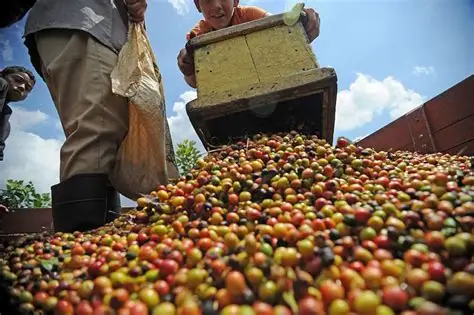
For producers and participants in the coffee chain, an international price of US$332.10 per quintal gold represents an important reference, although the price that the producer finally receives may vary depending on factors such as the quality of the coffee, marketing costs, differentials and market conditions.
The behavior of july thus leaves coffee in a scenario of greater international appreciation, with a monthly increase of 9.05% and new factors that could maintain volatility in the coming months. The evolution of production, weather and inventories will be decisive in establishing whether this upward trend continues during the second half of 2026.
You can also read: