dinero_admin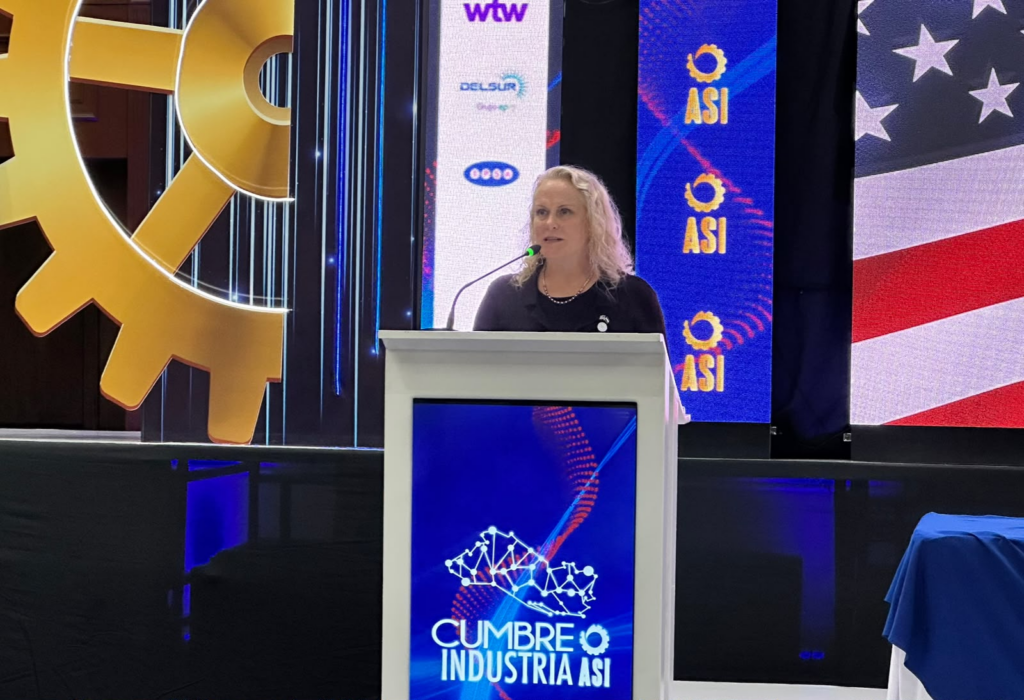
The Asociación Salvadoreña de Industriales (ASI) will commemorate National Industry Day with a series of activities aimed at promoting competitiveness, regional economic integration, innovation, and the strengthening of El Salvador’s productive sector.
Every june 12, by Legislative Decree, El Salvador celebrates National Industry Day, a date that recognizes the contributions of thousands of entrepreneurs, workers, and companies that contribute to the country’s economic growth, formal job creation, investment, and sustainable development.
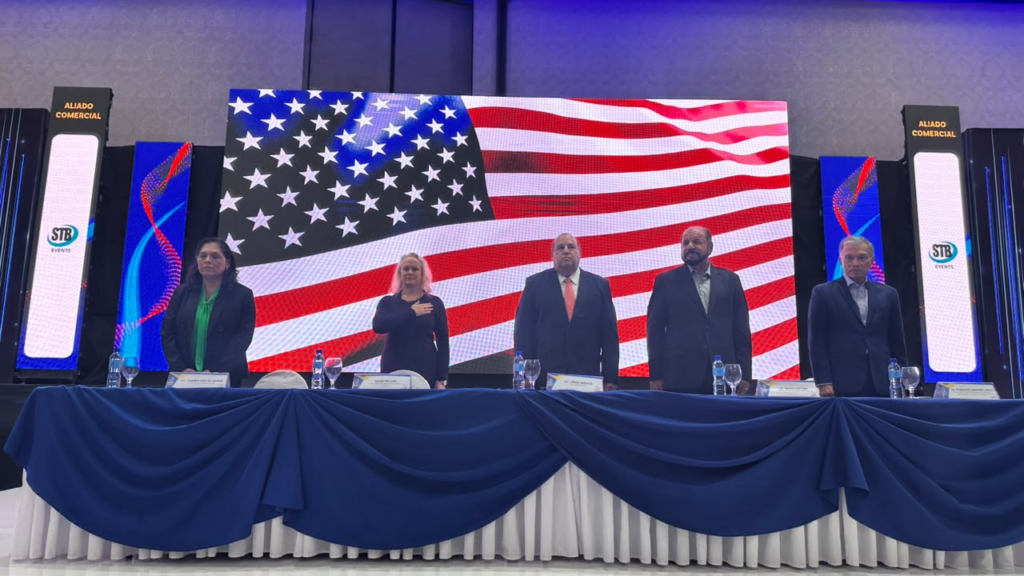
As part of this commemoration, the 2026 Industrial Summit will be held on june 10. This forum for analysis and dialogue will bring together business leaders, government officials, international organizations, academics, and national and international experts to address the challenges and opportunities facing industry in the current global context.
Among the main topics on the agenda is the keynote address, “Trade Dynamics and Chinese Links in Latin America in the New Strategic Context”, delivered by Robert Evan Ellis, a research professor of Latin American studies and renowned international analyst, who will share his vision on the geopolitical and trade changes transforming economic relations in the region.
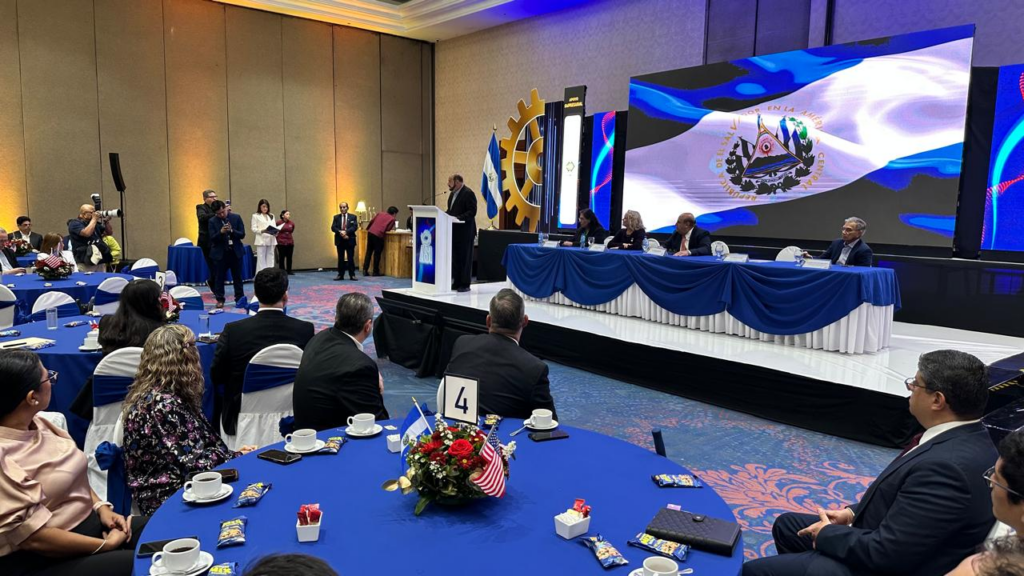
The Summit will also feature the forum “Challenges and Opportunities Presented by the Customs Union to Consolidate a Single Customs Territory, Strengthen Regional Trade, Improve Employment, and Increase Investment in the Northern Central American Countries”.
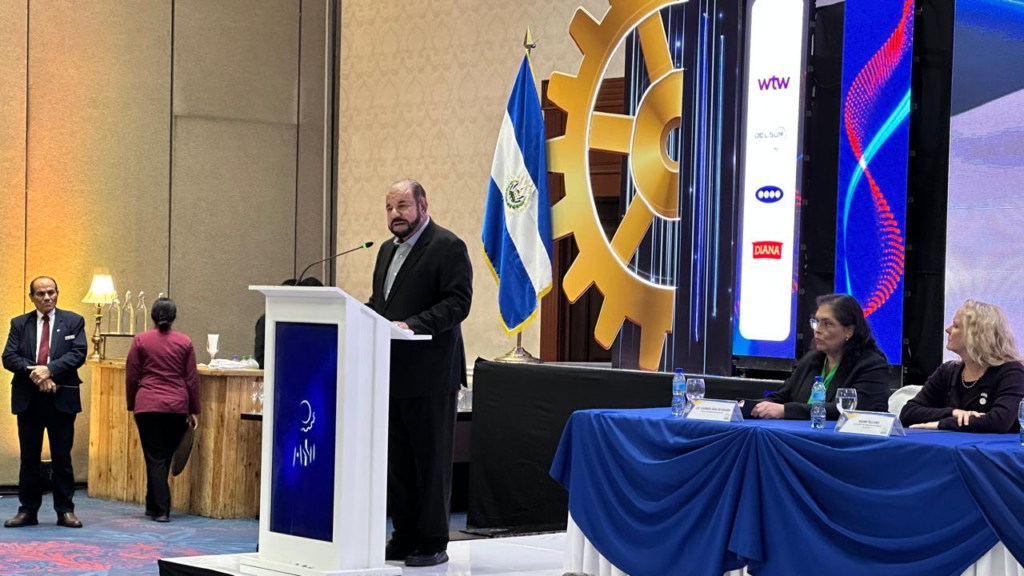
The panel will include three of the leading economic authorities in the Central American region, who will address the future of regional integration and its impact on competitiveness, trade, and investment: María Luisa Hayem Brevé, minister of Economy of El Salvador; Gabriela García-Quinn, minister of Economy of Guatemala; and Melvin Redondo, Pro Tempore President of COMIECO and Presidential Commissioner of Foreign Trade of Honduras.
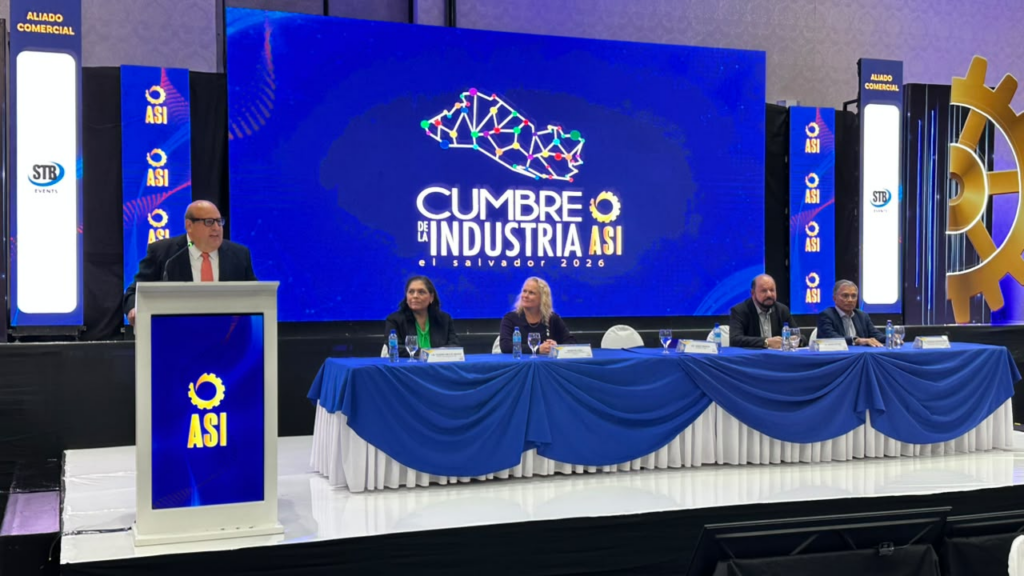
During the opening of the 2026 Industrial Summit, Naomi Fellows, Chargé d’Affaires of the U.S. Embassy in El Salvador, highlighted the fundamental role of industry in the Salvadoran economy. She noted that the sector contributes approximately 12% of the Gross Domestic Product (GDP), attracts a significant portion of foreign investment, and generates a large part of the country’s exports. Furthermore, he emphasized that the United States continues to be one of the main destinations for Salvadoran products and a strategic partner for national economic growth.
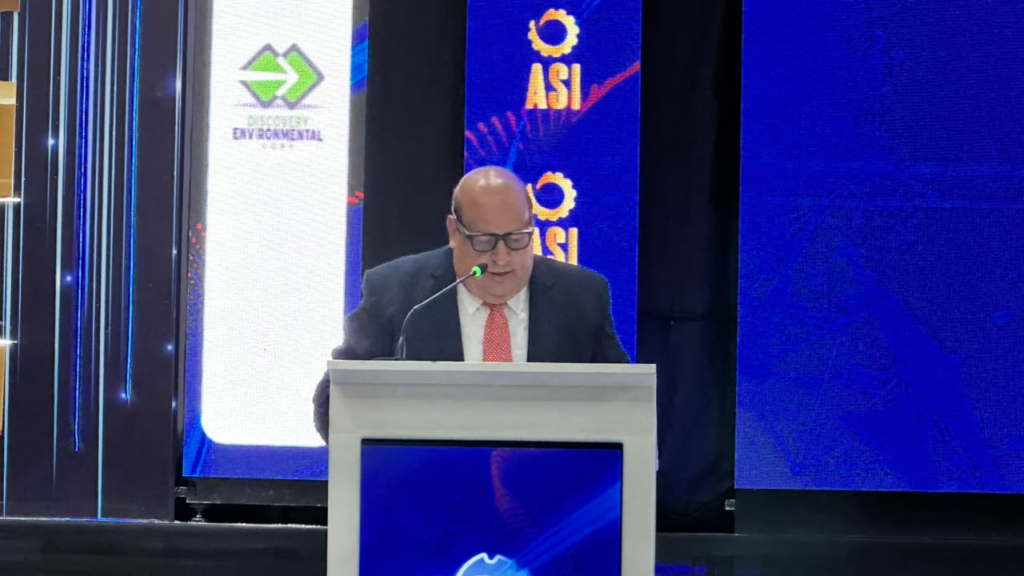
Fellows also stated that advances in security have contributed to strengthening investor confidence and creating more favorable conditions for economic development, highlighting the recent Reciprocal Trade Agreement between the two countries as an opportunity to expand trade and investment relations.
The Secretary of Trade and Investment of the Presidency, Miguel Kattán, affirmed that the transformations implemented in areas such as security, health, and education have allowed for the creation of a more favorable environment for economic growth and attracting investment. He emphasized that the reduction in violence has generated new opportunities for productive development and maintained that industry, along with construction, constitutes one of the main drivers of the salvadoran economy.
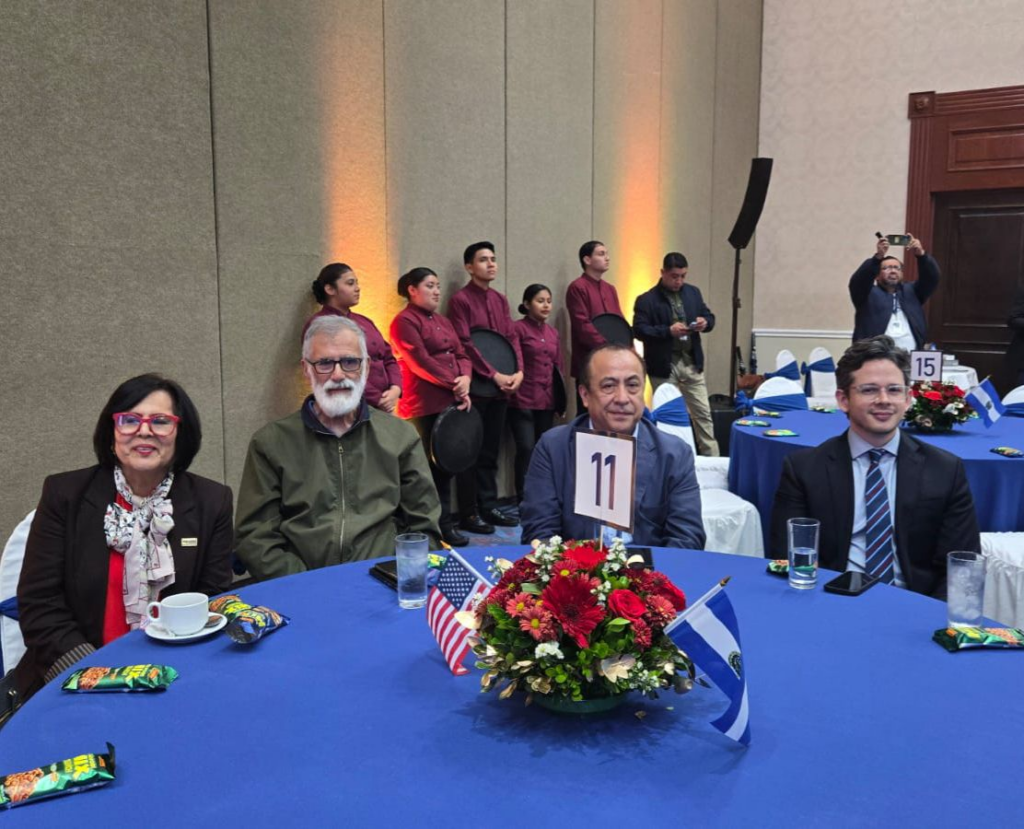
He also stressed the need to strengthen technical and professional training for young people to meet the demands of the labor market and support the expansion of the industrial sector. Kattán also highlighted the progress made in trade facilitation, investment promotion, and public-private sector coordination to boost the country’s competitiveness.

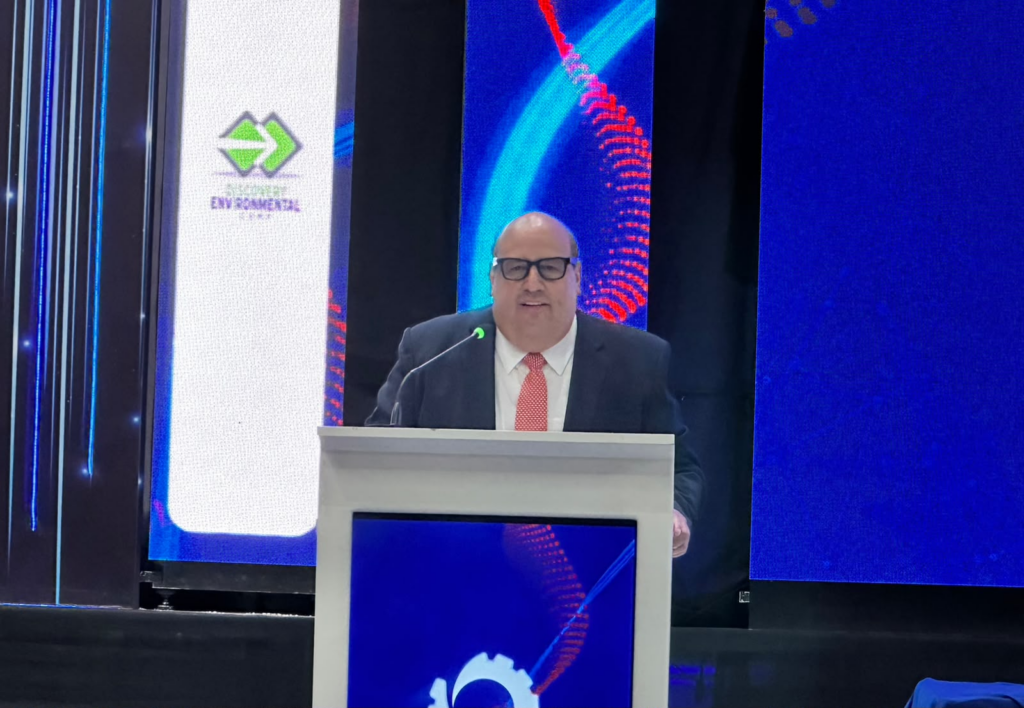
In his remarks, ASI President Jorge Arriaza addressed the challenges the region faces due to changes in international trade and China’s growing influence in Latin America. The industry leader noted that competition from subsidized products, trade imbalances, and the control of global production chains pose significant challenges for the region’s economies.
In this context, he proposed the concept of “America Shoring,” a strategy aimed at strengthening value chains between Central America and the United States, leveraging both geographic proximity and the existing relationships of trust between the countries. According to Arriaza, this vision would attract new investments, expand regional participation in supply chains, and solidify Central America’s position as a strategic partner for the U.S. market.
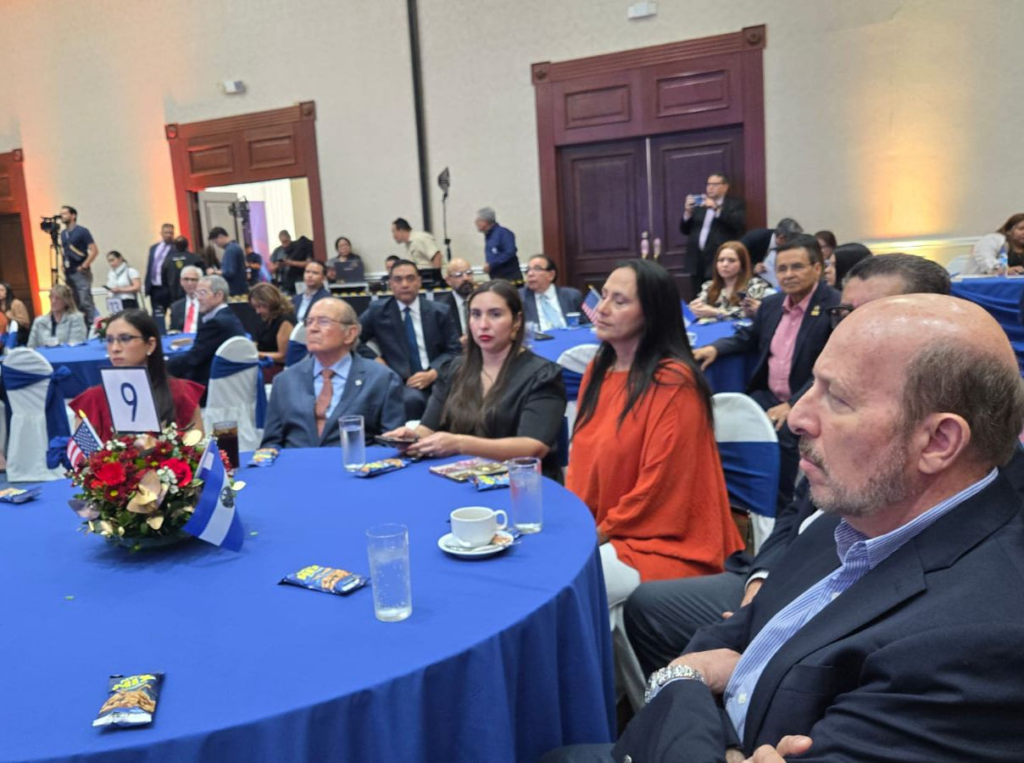
The agenda will also include the commemorative event “250 Years of the United States of America,” a forum for reflecting on the historic economic, trade, and cooperative relationship between the United States and the countries of the region, as well as the opportunities this alliance represents for industry and economic development.

Industry continues to be one of El Salvador’s main drivers of growth, boosting investment, innovation, exports, and the creation of formal employment. In this context, the 2026 Industrial Summit seeks to promote knowledge exchange, strengthen regional integration, and generate proposals that contribute to improving the competitiveness of the country and Central America.
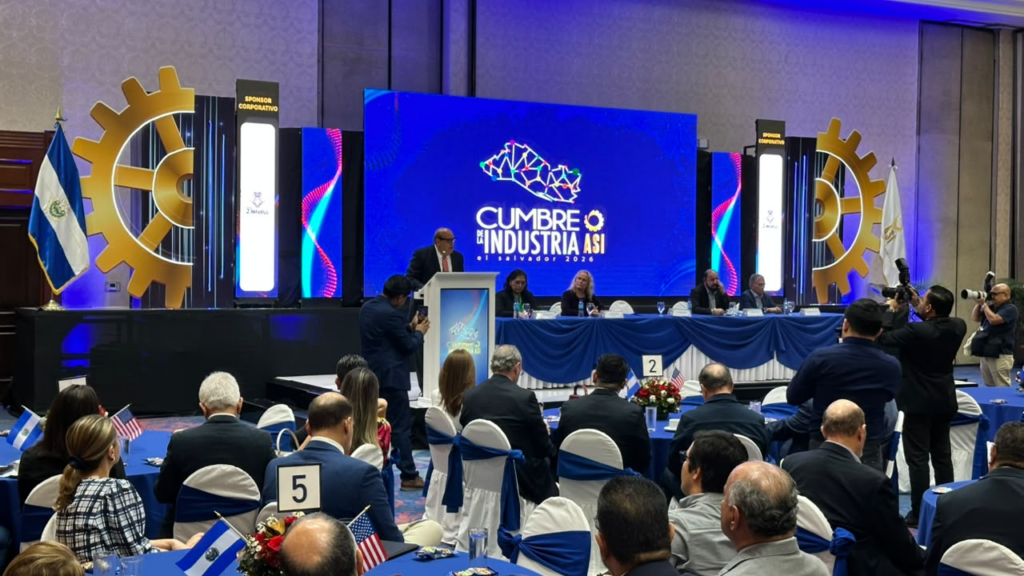
The ASI reaffirms its commitment to continue promoting initiatives that strengthen productive development, investment, and the modernization of salvadoran industry, recognizing the fundamental role the sector plays in building a more prosperous future for all salvadorans.
You can also read: