


 dinero_admin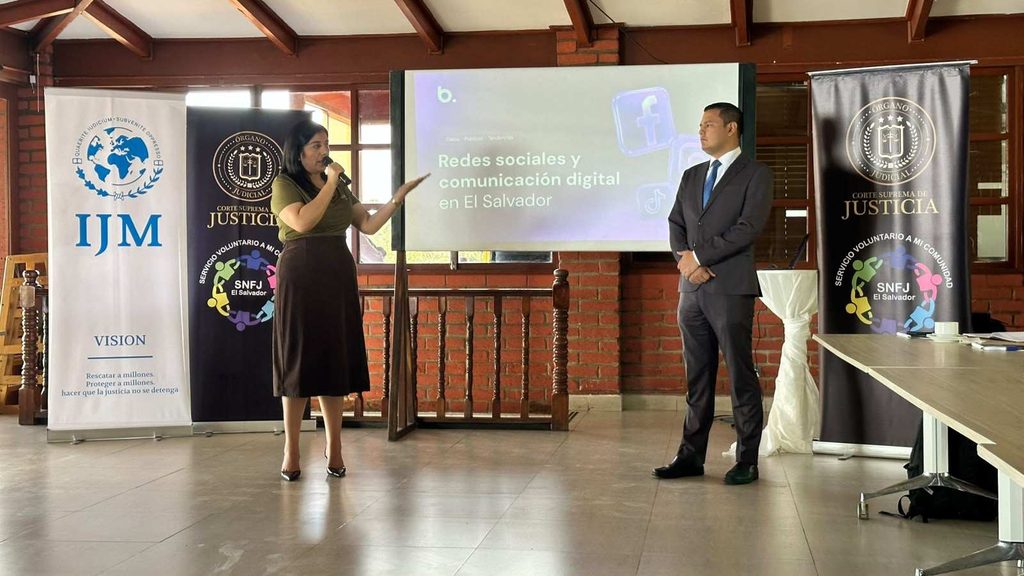
Digital transformation presents new challenges for media outlets, which must adapt their content to the platforms where audiences seek information,all while maintaining a commitment to fact-checking, context, and credibility. These challenges were addressed by communications and public opinion consultant Rosy Mixco during a workshop for journalists, which also included a discussion on experiences regarding access to justice within local communities.
Mixco explained that while information remains vital to the public, the ways in which people discover, consume, and share it have evolved. She noted that journalistic work is not merely about moving a news story from television or radio to social media; rather, it involves tailoring the storytelling approach to the specific characteristics of each platform and the needs of its users.
During her presentation, she shared data on the digital landscape in El Salvador, illustrating the reach of these channels: approximately 4.9 million internet users, 4.33 million social media identities, and 11.1 million mobile connections. She clarified that these figures do not necessarily represent unique individuals, as a single user may hold multiple accounts or maintain several connections.
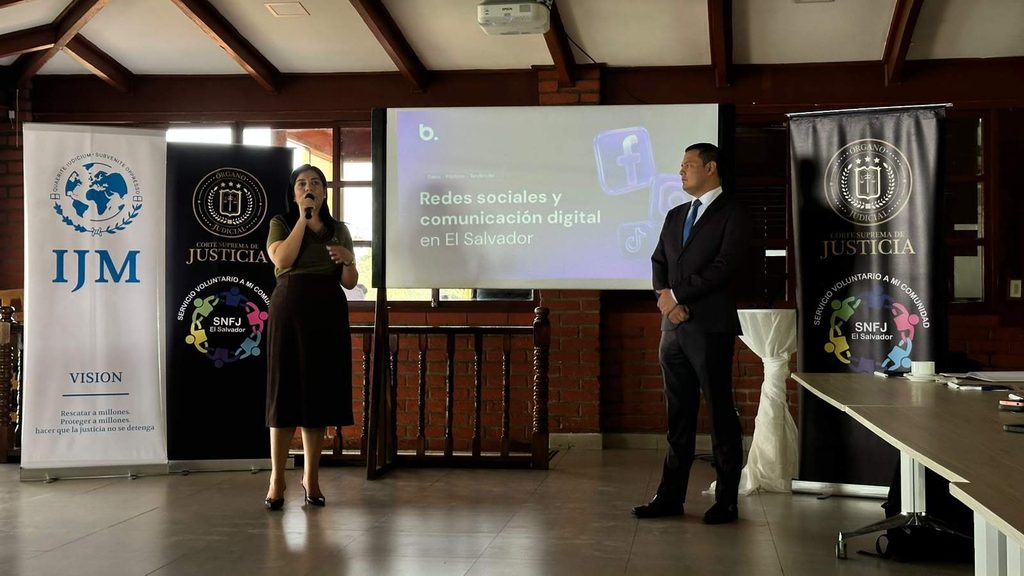
The specialist also emphasized that digital communication must not overlook those who lack internet access. According to the data she presented, approximately 1.48 million people remain without such access. Consequently, she stressed the importance of maintaining alternative dissemination channels, ensuring that information regarding public services does not rely exclusively on social media.
Adapting formats without sacrificing journalistic rigor
Mixco pointed out that each platform offers unique opportunities for presenting information. Facebook can be used to explore topics in depth and foster conversation; Instagram allows for storytelling through images and carousels; TikTok facilitates concise, direct explanations; and YouTube provides space for interviews and more in-depth reporting. She also highlighted WhatsApp channels as an effective alternative for distributing content and maintaining a close connection with audiences.
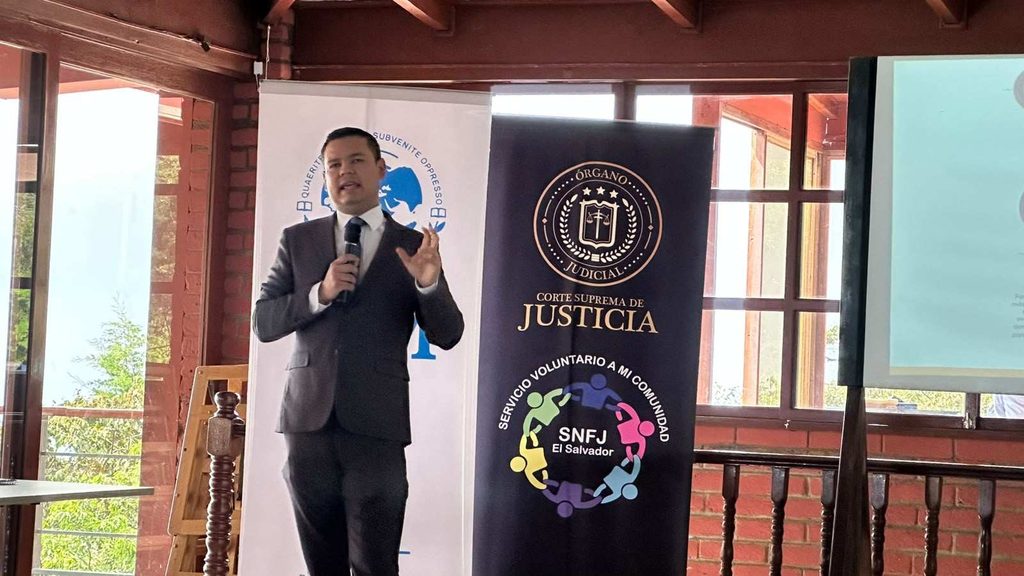
She recommended that media outlets define a digital strategy aligned with their resources and production capacity. “You should be present on the social media platforms you can actually manage”, she said, noting that it is better to focus efforts on the platforms where the target audience is found, rather than opening multiple accounts without a clear plan or simply posting the same content across all of them.
However, adapting formats must not compromise journalistic principles. The consultant emphasized the importance of verifying data, consulting sources, providing context, and carefully reviewing information before publication. She also warned against using artificial intelligence tools to turn institutional press releases into news stories without subsequent review, as these tools cannot replace a journalist’s judgment or responsibility.
Another topic addressed was the economic sustainability of media outlets. Mixco explained that news organizations need to strengthen their brands, develop business models, and offer distinctive information that meets their audiences’ needs. In an environment crowded with publications, she highlighted that a media outlet’s value depends not only on the volume of content produced but also on its utility, quality, and credibility.
Community justice: stories that need to reach the public
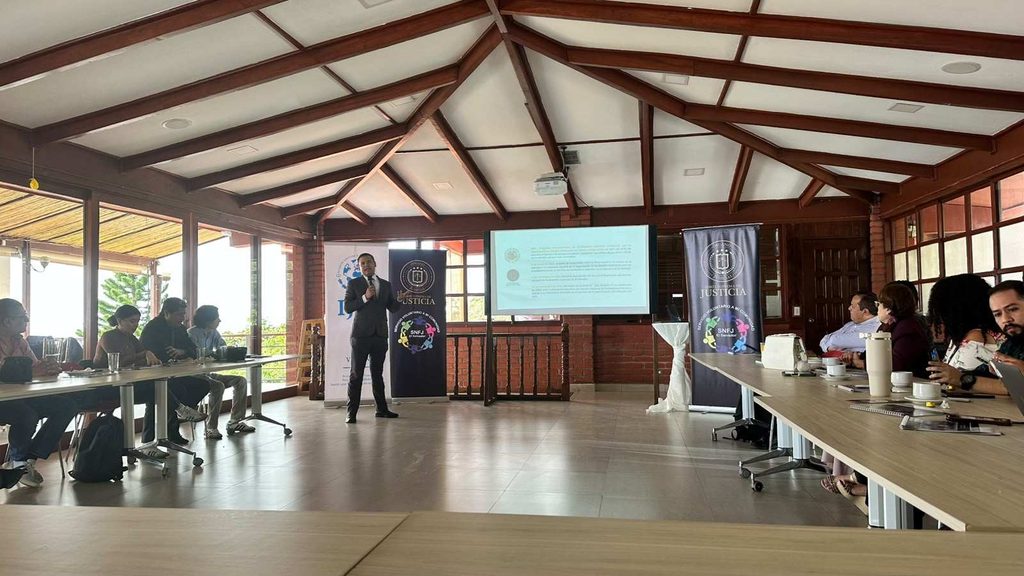
The gathering also featured Benjamín Chicas, head of the Unidad Coordinadora del Servicio Nacional de Facilitadores Judiciales (SNFJ) of the Corte Suprema de Justicia de El Salvador, alongside judicial facilitators Marcos Ruiz, María del Carmen Bonifacio, Gladis Menjívar, and Anabel Linares. They shared experiences regarding the support and guidance they provide to people in their communities.
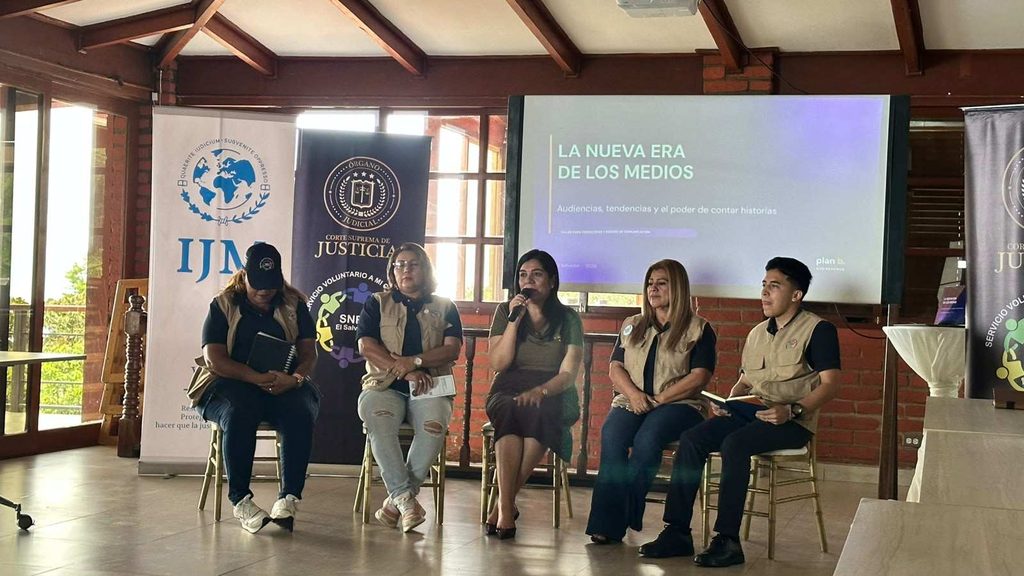
During the session, it was highlighted that the difficulties involved in seeking help are not always related to distance or financial resources. A lack of awareness regarding rights, fear of reporting issues, and a lack of information about available institutions can also prevent individuals from seeking guidance in situations affecting their safety or well-being.
The shared experiences highlighted the importance of engaging with communities to understand their needs and to explain the available alternatives in an accessible way. The facilitators also invited journalists to visit these areas and see firsthand the situations people face, with the goal of providing coverage that is more closely aligned with reality.
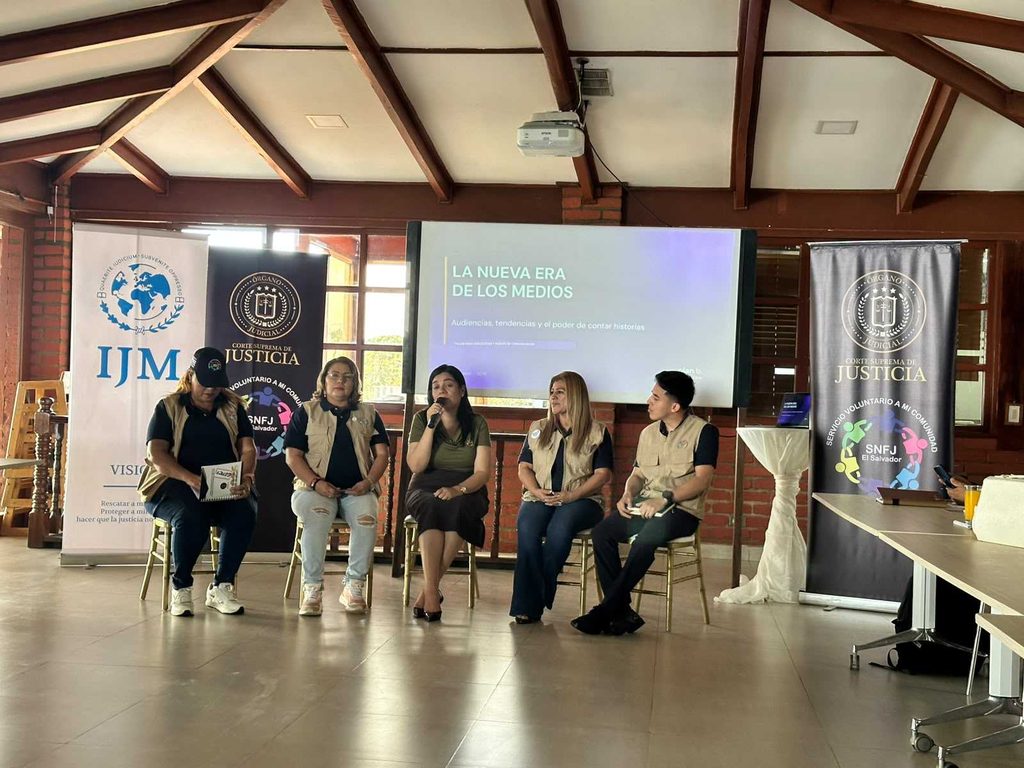
These accounts align with Mixco’s argument regarding the need to produce content that goes beyond merely reproducing official statements. The stories of those seeking guidance, the barriers they face in finding help, and the impact of information on their daily lives can be transformed into news reports, interviews, explainer videos, and other formats that help the public better understand available services.
In this way, the workshop highlighted two complementary challenges: bringing useful information to communities and communicating it through formats suited to today’s audiences. In an increasingly digital landscape, the challenge for media outlets is to leverage available tools without losing their connection to people or the principles of verification, responsibility, and trust that underpin journalism.
You may also want to read: