dinero_admin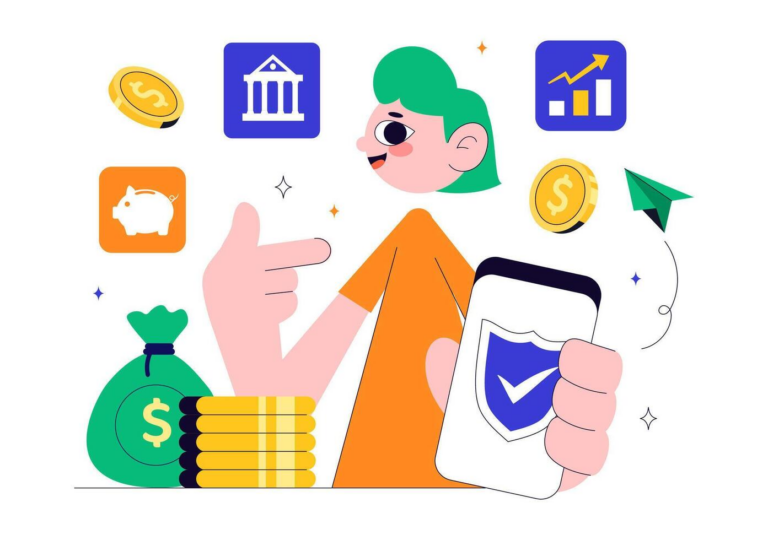
Digital wallets have become an increasingly popular tool for making payments, transfers, and purchases from a mobile phone. Their ease of use allows transactions to be carried out in seconds, without the need to carry cash or physical cards. However, the growth of these services has also increased fraud attempts by cybercriminals seeking to gain access to accounts and funds through deception or information theft.
One of the most important steps to protect a digital wallet is to activate two-step authentication. This feature adds an extra layer of security by requiring a second verification method, in addition to the password, before accessing the account or authorizing certain transactions. It is also advisable to use biometric methods, such as fingerprint or facial recognition, when available.
Creating strong passwords is another fundamental aspect. Experts recommend using long passwords that combine letters, numbers, and special characters, avoiding easily guessed information such as birthdates or names. It is also important not to use the same password on different platforms to reduce risks in case of data breach.
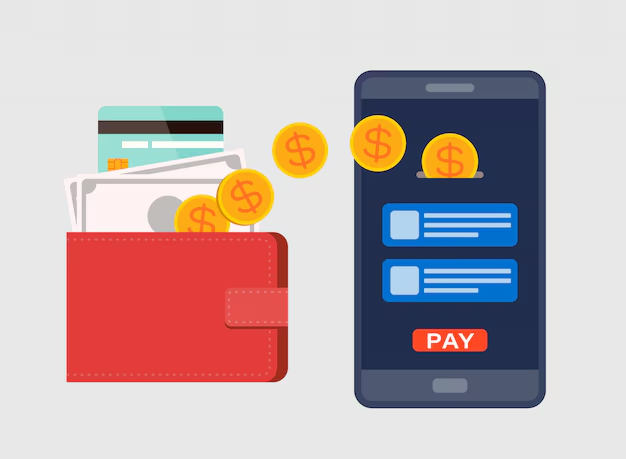
Scams using fake messages continue to be a major threat. Criminals often send emails, text messages, or links that appear to be from financial institutions to request personal data or login credentials. Therefore, it is advisable to always verify the authenticity of messages and avoid entering confidential information on suspicious websites.
Keeping your mobile phone and financial applications updated also helps strengthen security. Updates usually include fixes for vulnerabilities detected by developers. In addition, downloading applications only from official stores helps reduce the risk of installing malware.
Another recommendation is to regularly review the transactions recorded in your digital wallet. Most platforms allow you to activate automatic notifications for each transaction, making it easier to immediately detect any unusual activity and report it promptly to the service provider.
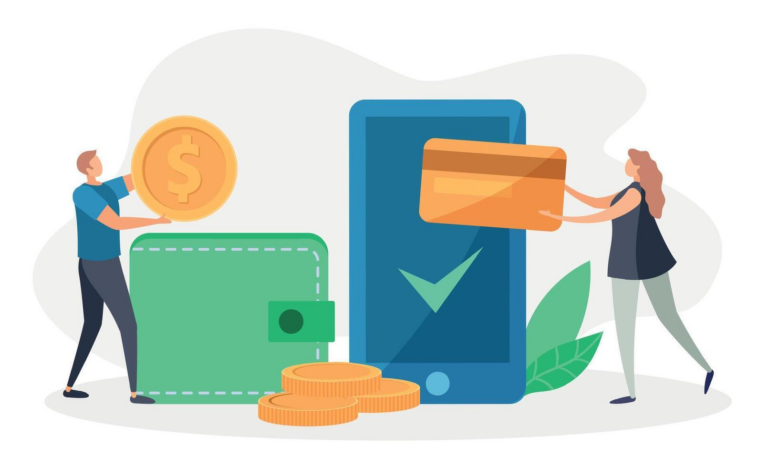
Experts also suggest avoiding conducting financial transactions while connected to public Wi-Fi networks. These connections can be more vulnerable to cyberattacks. Whenever possible, it is recommended to use private networks or mobile data connections to make payments and transfers.
While digital wallets offer convenience and speed for managing money, their secure use largely depends on the measures taken by each user. Applying good security practices, remaining vigilant against potential fraud, and protecting personal information are key actions to confidently enjoy the benefits of these tools.
You can also read: