

 dinero_admin
Planning your shopping wisely is essential for maintaining organized personal finances and avoiding unnecessary household expenses. In many cases, impulse purchases can throw off your monthly budget, so having a strategy in place makes a big difference to your family’s finances.
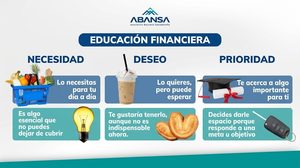
The first step is always to make a shopping list before going out or placing an order. This list should include only what you need, separating essential items like food, cleaning supplies, and personal hygiene products. Knowing what you really need helps reduce impulse purchases and focus on priorities.
Another important element is setting a fixed budget. Defining a maximum spending amount allows you to control your available money and avoid overspending. This budget can be adjusted weekly or monthly, but it should be respected as a primary guideline when shopping.
It’s also advisable to compare prices between different stores, supermarkets, or brands. Often, the same product can have different prices, and this accumulated difference can represent significant savings over time. Additionally, it’s worth considering different packaging and sizes, as buying in bulk can sometimes be more economical.
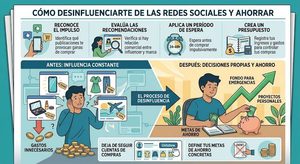
Another key tip is to shop calmly and without pressure. Hasty decisions often lead to purchasing unnecessary or more expensive products. It’s also recommended to avoid shopping on an empty stomach, as this influences the selection of foods not initially planned.
Offers and promotions can also be a useful savings tool, but they should be analyzed carefully. Not all promotions offer a real benefit, especially for products that aren’t consumed frequently or that may expire before use. The key is to buy on sale only when you truly need them.

Furthermore, organizing your shopping by week or two helps improve household consumption control. This reduces frequent trips to the store and allows for better planning of available food and products, preventing waste.
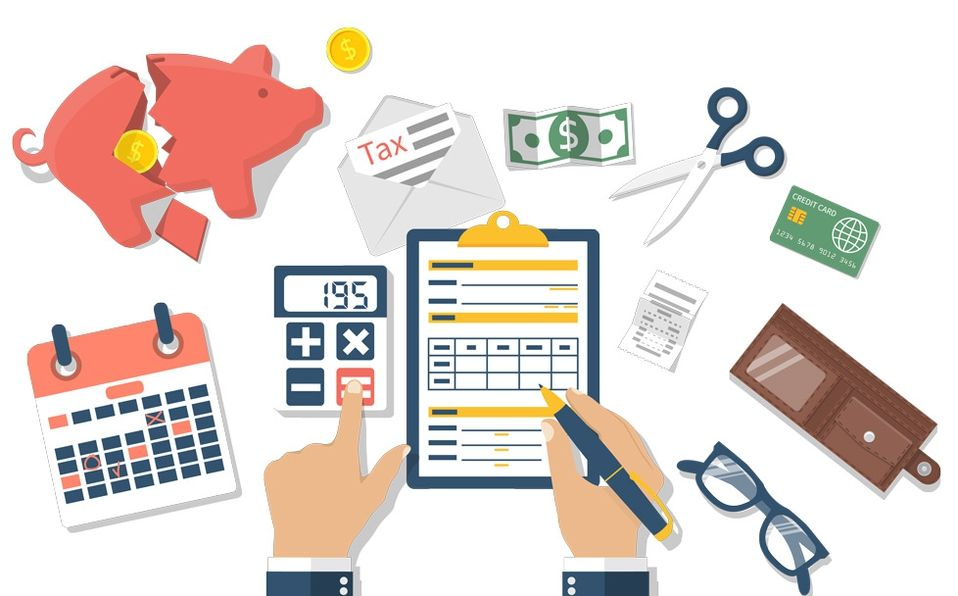
Finally, it’s important to keep a basic record of your expenses. This allows you to identify where you’re spending the most money and adjust your spending habits in the future.
In conclusion, planning smart purchases not only saves money but also improves home organization, reduces waste, and allows you to make more conscious and responsible decisions every day.
You can also read: