


 dinero_admin
Health minister Francisco Alabi announced the opening of the Center for Noncommunicable Diseases, a new facility that will provide care for these conditions under a model that brings together various medical services. The center will facilitate access to specialists, diagnostic tests, and medications for patients referred from health care facilities.
The care process will begin with a referral from local health clinics. The patient will then receive confirmation of their appointment via phone call or text message. According to Alabi, the goal is for patients to be able to receive consultations from different specialists during a single appointment, thereby reducing wait times and streamlining the diagnosis and treatment processes.
This model aims to make the care of noncommunicable diseases more efficient by consolidating services that previously might have required separate arrangements or visits. In this way, patients will be able to move more quickly through the evaluation of their condition and the determination of the appropriate treatment.

As part of its efforts to strengthen specialized services, the Ministry of Health also renovated and modernized the Centro Nacional de Radioterapia, which the ministry considers the leading public facility for the care of patients with cancer.
The renovation included new areas and the addition of specialized equipment. Among the new acquisitions are a linear accelerator and a CT scanner, both of which are now available for patient care. According to data provided by the minister, the center performs approximately 25,000 radiation therapy treatments and 1,000 brachytherapy procedures annually, all free of charge.
In addition to these improvements, the center has acquired a PET/CT unit, a technology that will enable more precise imaging for the evaluation of cancer patients. Alabi emphasized that this marks the first time this advanced technology has been made available to the public in the country, with the capability for high-resolution molecular detection.
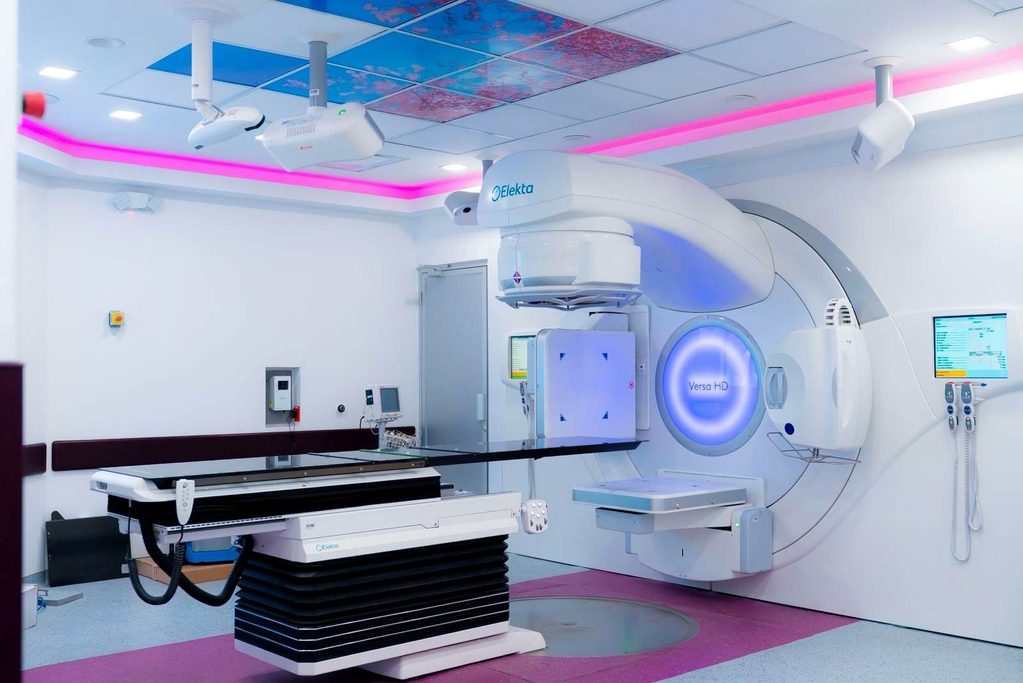
PET/CT can help determine the presence and characteristics of certain diseases more accurately, thereby guiding medical decisions. According to the Ministry of Health, its use will also help avoid unnecessary repeat procedures, improve the use of available resources, and optimize the planning of treatments such as chemotherapy.
With these additions, the Ministry of Health aims to strengthen both the care of noncommunicable diseases and specialized services for cancer patients. The strategy combines a care model that centralizes consultations and services with the modernization of infrastructure and the incorporation of diagnostic and therapeutic technology.
You can also read: