

 dinero_admin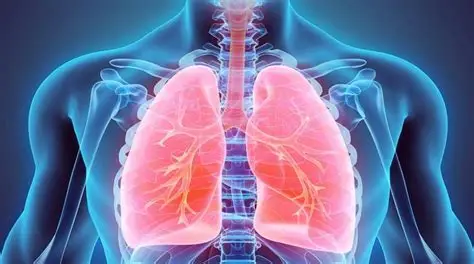
A total of 769,192 cases of acute respiratory infections were registered in El Salvador during the first half of 2016, according to data from the Ministerio de Salud (Minsal). Health authorities and specialists indicated that these illnesses tend to increase during the rainy season, when the circulation of respiratory viruses increases.
Acute respiratory infections include illnesses such as the common cold, bronchitis, influenza, and pneumonia, which affect people of all ages, although some population groups are at higher risk of developing complications.
Specialists explained that during the winter, an increase in the circulation of influenza viruses and other respiratory viruses, as well as diarrheal diseases and arboviruses such as dengue, is common due to the typical climatic conditions of the season.
In the case of pneumonia, data from the Ministry of Health shows that the most affected groups are children between one and four years old, with 1,458 cases, and adults over 60 years old, with 1,187 cases—sectors considered more vulnerable to this type of infection.
Given this situation, specialists reiterated that vaccination continues to be one of the main preventive measures, especially against influenza. They explained that vaccines require approximately 14 days to generate effective protection in the body, so they recommend getting vaccinated before the virus circulates more widely.
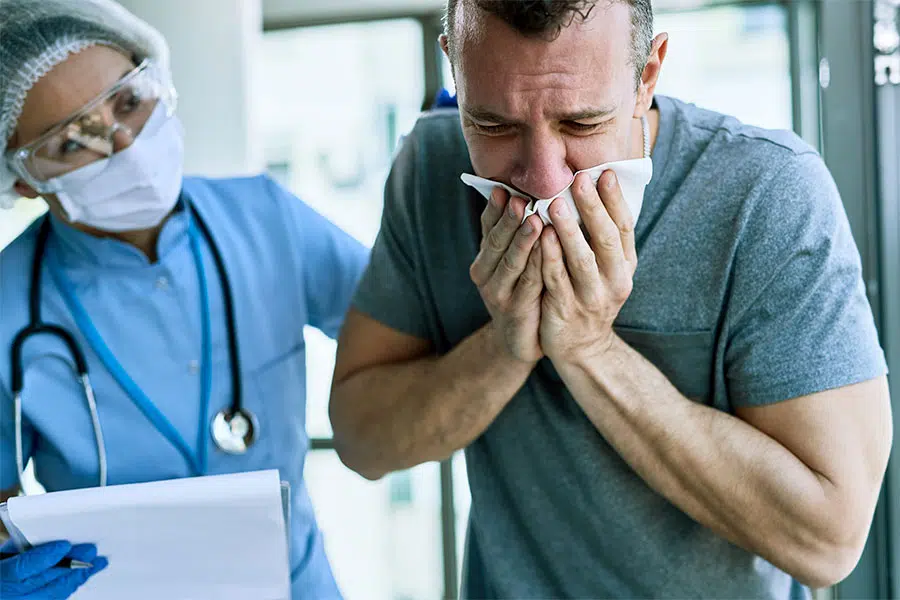
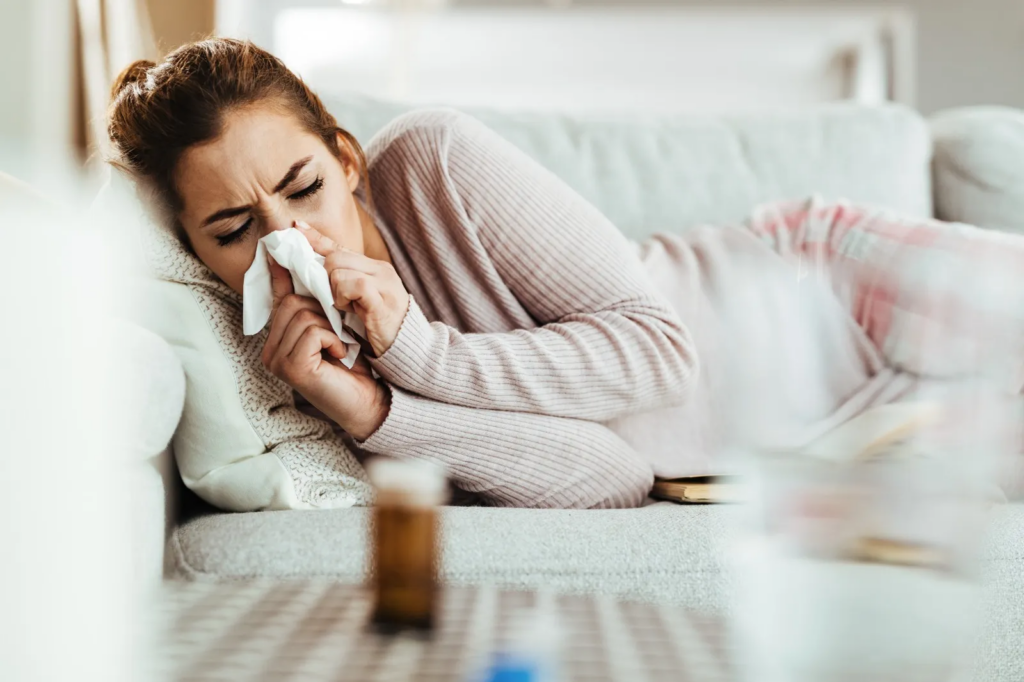
In addition to vaccination, they recommended maintaining preventive measures such as frequent handwashing, covering the mouth and nose when coughing or sneezing, wearing a mask when respiratory symptoms are present or in crowded places, avoiding close contact with sick people, and seeking medical attention promptly if any warning signs appear.
The Ministry of Health also reported that, during the first half of the year, 3,995 cases of severe acute respiratory infections were recorded. Additionally, 3,483 hospital discharges were registered due to pneumonia, a disease with a case fatality rate of 3.60%.
Health authorities continue to urge the public, especially children, the elderly, people with chronic illnesses, and pregnant women, to adopt preventive measures and reduce the risk of complications during the peak season for respiratory viruses.
You can also read: