

 Leydin Sorto

- 52% say cybersecurity concerns have slowed or halted the adoption of digital tools or payments.
- Nearly 35% of surveyed SMEs reported experiencing a cybersecurity incident over the past year, highlighting that digital risks are a reality for businesses.
Small and medium-sized enterprises (SMEs) across Latin America and the Caribbean (LAC) have widely incorporated digital commerce into their operations, but cybersecurity concerns are emerging as the next major challenge to growth, according to the Mastercard 2026 SME Cybersecurity Outlook, Mastercard’s new regional study on SME cybersecurity.
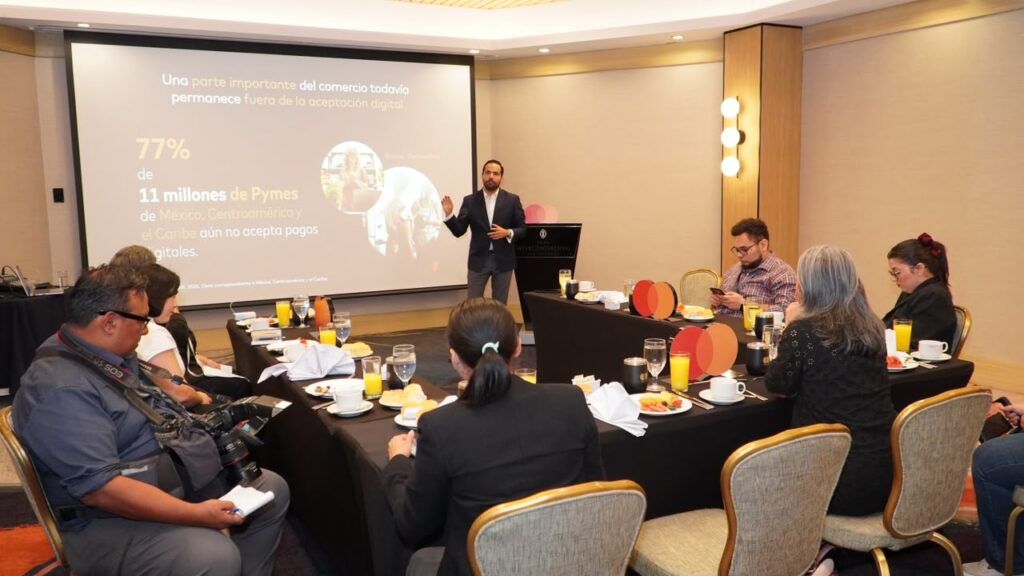
The study, which surveyed 2,400 SME owners and decision-makers across 12 countries in the region, highlights the increasingly important role of cybersecurity in supporting the growth and digital transformation of these businesses. In Central America, the adoption of digital payments is widespread. However, as adoption increases, concerns about fraud, cyberattacks, and data protection are playing an increasingly important role in business confidence.
Cybersecurity is becoming increasingly relevant to the digital growth of SMEs. More than half (51%) identify protection against fraud and cyberattacks as a key factor when increasing their use of digital payments. Additionally, 40% say cybersecurity concerns have influenced their adoption of digital tools or payments, while nearly one-third acknowledge their impact on decisions related to expanding e-commerce or entering new markets.

In the Central American markets analyzed, 52% of surveyed SMEs say cybersecurity concerns have slowed or halted the adoption of digital tools or payments. Fear of fraud has also led businesses to postpone expansion into new markets, according to 43% of respondents; the adoption of new payment methods, also according to 43%; and the growth of e-commerce, based on the findings from the three countries.
In fact, only a minority say cybersecurity concerns have had no impact on their business decisions. These findings suggest that, while access to digital payments is no longer the main challenge, the ability to operate securely and confidently in a digital environment is becoming a determining factor in businesses’ future success.
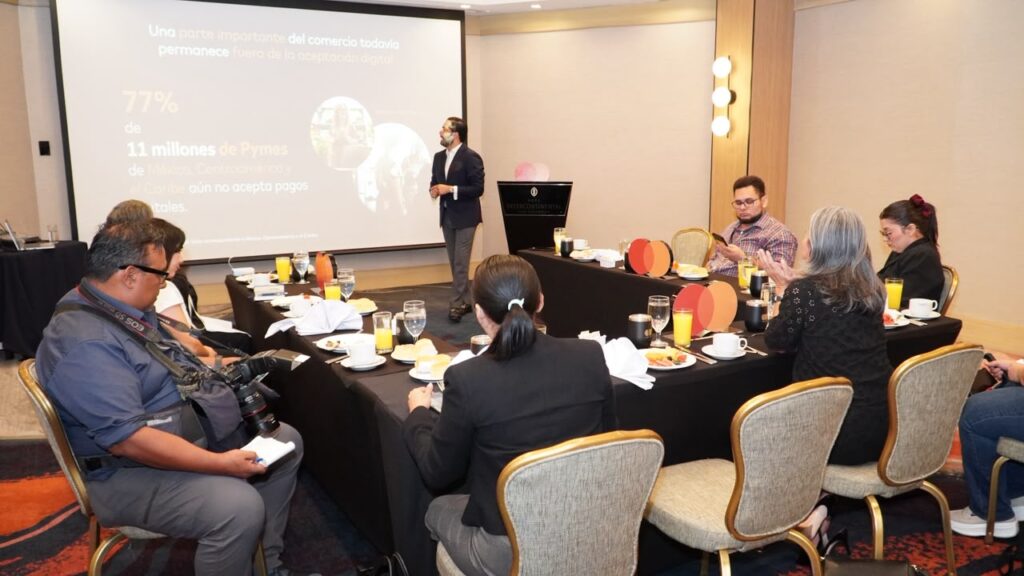
Beyond perceptions, exposure to these threats is already having tangible effects. On average, 35% of SMEs in Guatemala, Costa Rica, and Panama reported experiencing a cybersecurity incident over the past 12 months. Among those that experienced an incident, the most frequently reported cases were phishing, payment fraud, and malware attacks. Meanwhile, the risks generating the greatest concern are payment fraud, phishing, and data theft.
At the same time, business owners view cybersecurity as a driver of growth, not simply a defensive measure. Nearly half of respondents said stronger protection against fraud and cyberattacks could help their businesses achieve additional growth of 25% or more, while 42% identified increased online and digital sales as one of their biggest opportunities over the next two years. The relationship between cybersecurity and growth is also evident among Central American SMEs, where nearly 89% believe they could achieve additional double-digit growth if they had stronger protection against fraud and cyberattacks.
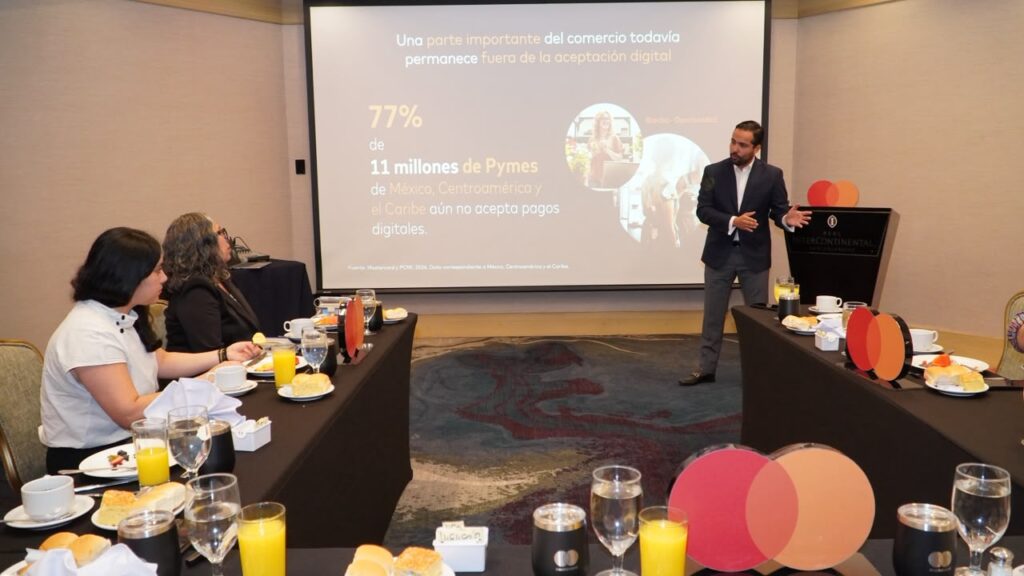
The growing focus on cybersecurity represents an opportunity to further strengthen the region’s SME preparedness. Only 18% of surveyed businesses feel very well prepared to protect their operations. Additionally, one in five businesses reports having no cybersecurity response or recovery plan.
In Central American markets, cybersecurity awareness is high, although opportunities remain to strengthen business preparedness. According to the surveyed companies, 40% of SMEs in Guatemala are familiar with the topic, while in Panama, 43% consider themselves very familiar with it.
Regarding the support they need, Guatemalan SMEs prioritize alerts and updates about threats or scams (48%), access to fraud prevention technologies and tools (44%), and practical training or guidance (43%). Meanwhile, Panamanian SMEs prioritize training and guidance, as well as support with recovery after an incident, both cited by 45% of respondents, while 43% highlight the need for tools to prevent fraud.
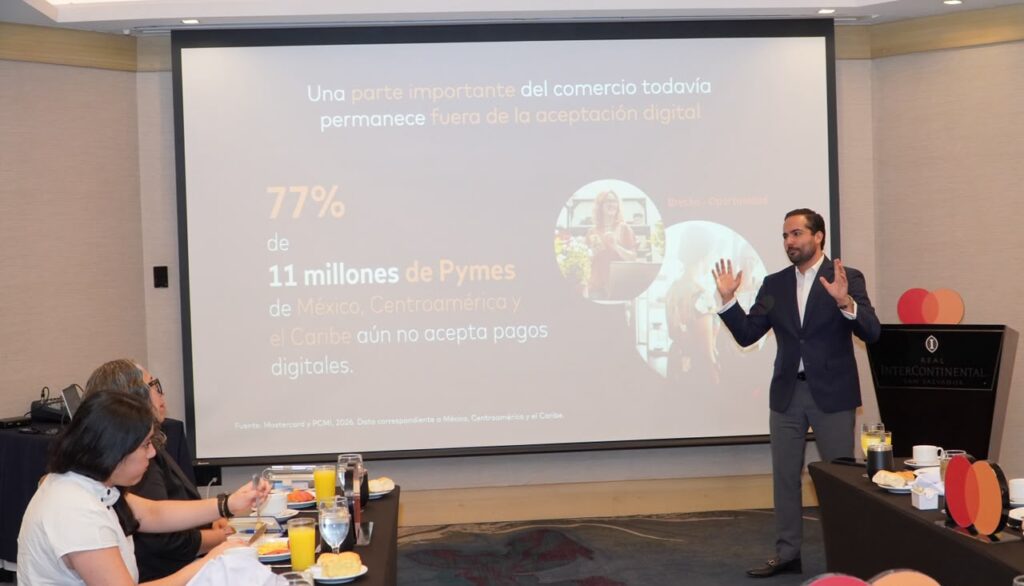
“For SMEs, cybersecurity is no longer just a technology concern; it is a business imperative,” said Marvin Rodríguez, Country Manager for Mastercard in Honduras, Guatemala, and El Salvador.
“Today, we see increasingly digitalized businesses across Central America using digital payments as a tool to grow, reach more customers, and expand their operations. However, to fully capitalize on these opportunities, it is essential that they have the confidence and tools needed to protect themselves against risks such as fraud and cyberattacks. Cybersecurity has become a key enabler of sustainable business growth,” added Marvin Rodríguez.
To help businesses strengthen digital trust, Mastercard continues to invest in technologies and services that help identify, prevent, and respond to cyber threats. Through the Mastercard Trust Center, Mastercard offers a free cybersecurity education and resource hub for SMEs in Latin America and the Caribbean. It provides research, training, assessments, tools, and practical guidance to help businesses strengthen their cyber resilience.
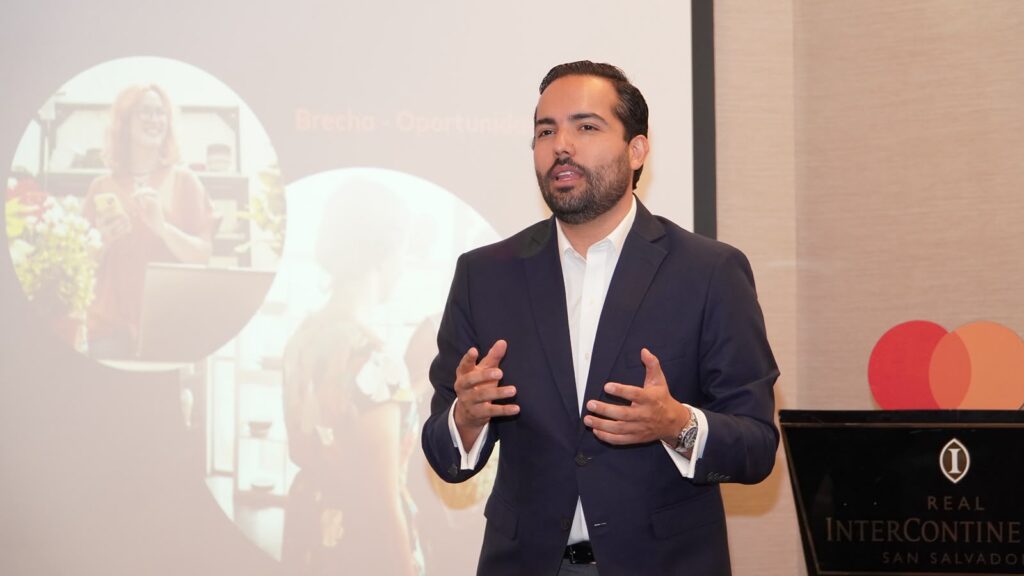
Available through selected local issuers and industry partners, solutions such as My Cyber Risk, powered by RiskRecon, and Identity Theft Protection (ID Theft Protection) help businesses better understand their cybersecurity exposure, strengthen their preparedness for cyber risks, and support identity protection.
Mastercard’s commitment to strengthening cybersecurity for SMEs in Latin America and the Caribbean is part of its global commitment to connect and protect 500 million people and small businesses on their journey toward financial health by 2030.

Research Scope and Methodology
The Mastercard 2026 SME Cybersecurity Outlook is based on a survey conducted during the second quarter of 2026 among 2,400 SME owners and senior decision-makers across 12 Latin American and Caribbean markets (Argentina, Brazil, Chile, Colombia, Costa Rica, the Dominican Republic, Ecuador, Guatemala, Mexico, Panama, Peru, and Puerto Rico).
The research included 600 SME owners and senior decision-makers, with 200 respondents in each of the three markets analyzed: Guatemala, Costa Rica, and Panama.
Mastercard partnered with Payments and Commerce Market Intelligence (PCMI), a market intelligence firm specializing in the payments industry, to conduct the study. The findings provide a regional perspective on SME adoption of digital payments, their level of cybersecurity preparedness, and the role of digital trust as a driver of future business growth.