

 dinero_admin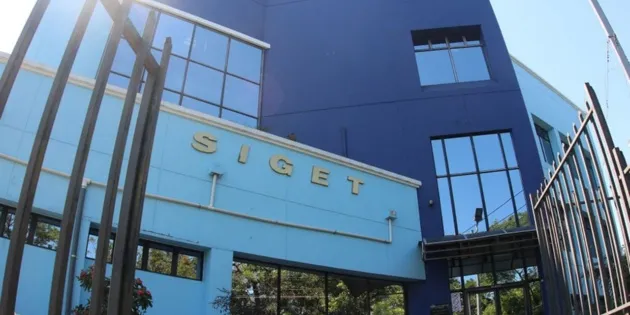
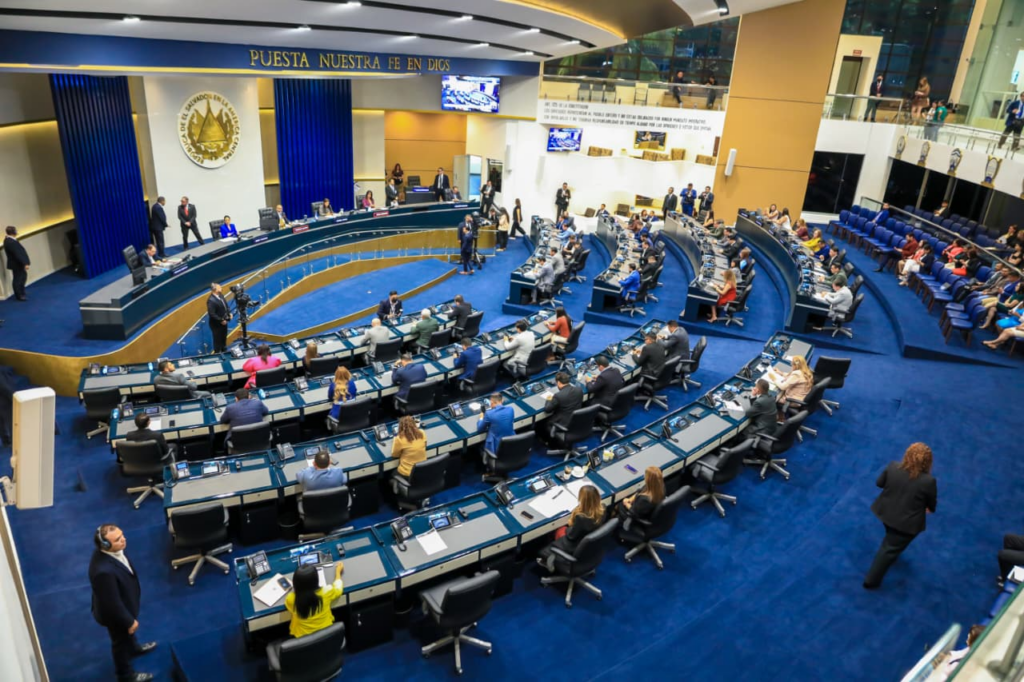
The Legislative Assembly approved, with 57 votes, reforms to the Ley de Creación de la Dirección General de Energía, Hidrocarburos y Minas (DGEHM) and Ley de Creación de la Superintendencia General de Electricidad y Telecomunicaciones (SIGET), with the aim of reorganizing the energy sector, strengthening regulation, and eliminating duplication of functions between the two institutions.
With these modifications, the Dirección General de Energía, Hidrocarburos y Minas will assume the powers related to the electricity sector currently held by SIGET, consolidating itself as the entity responsible for regulating, supervising, and implementing public policies in the energy sector.
According to what was approved by the legislators, the transfer process will take place over a period of six months and will be overseen by a special commission that will coordinate the transfer of files, records, assets, and other information necessary to guarantee the continuity of operations. Furthermore, SIGET’s Electricity Management staff may be transferred to the Directorate, if required.
The DGEHM, created five years ago, is already responsible for formulating and implementing policies, strategies, and plans for the energy, hydrocarbons, and mining sectors. With this reform, it will also become the competent authority for applying and enforcing legislation related to the electricity sector.
Among the regulations that will fall under its responsibility are the Ley General de Electricidad, Ley del Fondo de Inversión Nacional en Electricidad y Telefonía (FINET), Ley de Incentivos Fiscales para el Fomento de las Energías Renovables en la Generación de Electricidad, Ley Reguladora para el Otorgamiento de Concesiones de Proyectos de Generación Eléctrica en Pequeña Escala, and Ley de Creación del Ente Nacional de Transmisión Eléctrica and Ley de Fomento para el Uso de la Energía Renovable, among other provisions related to the sector.
As part of the restructuring, SIGET will change its name to the Superintendencia General de Telecomunicaciones, ceasing to perform functions related to the regulation of the electricity market and focusing exclusively on the telecommunications sector.
The institution will be responsible for applying national and international regulations in this area, approving the tariffs established in current legislation, issuing technical standards, resolving disputes between operators, and representing the country before specialized international organizations.
Furthermore, the reforms stipulate that the members of its governing body must have specialized experience in telecommunications and that the institution must have, at least, a Telecommunications Management division.
With this reorganization, the Government seeks to centralize the regulation of the energy sector in a single specialized entity, strengthen institutional efficiency, and expedite decision-making in an area that is strategic for economic development, investment, and the expansion of electricity generation projects in the country.
You can also read: