

 dinero_admin
Credit cards can be a useful tool for managing expenses, making purchases, or dealing with emergencies. However, mismanaging them can lead to debt that’s hard to pay off, damage your credit history, and cause long-term financial problems.
Financial experts recommend using these products responsibly and avoiding common mistakes that many people make due to lack of knowledge or poor planning.
One of the main mistakes is spending more money than you can afford. Even if the bank approves a high credit limit, that doesn’t mean the entire amount is available as personal income. Using a large portion of your credit without the ability to pay it off can lead to high interest charges and turn a small debt into a difficult-to-manage obligation.
Another common mistake is paying only the minimum monthly payment. While this option prevents you from falling into default immediately, it also causes the debt to linger longer and the interest to increase significantly. In many cases, a person can spend years paying off a purchase if they only pay the required minimum.
It is also recommended to avoid using the card to cover ongoing basic expenses, such as groceries, rent, or utilities, when there is no secure source of income to support those payments. This can create a reliance on credit and a constant cycle of debt.
Experts warn that withdrawing cash with a credit card should be an emergency measure and not regular practice. These types of transactions typically incur higher interest rates and additional fees from day one.
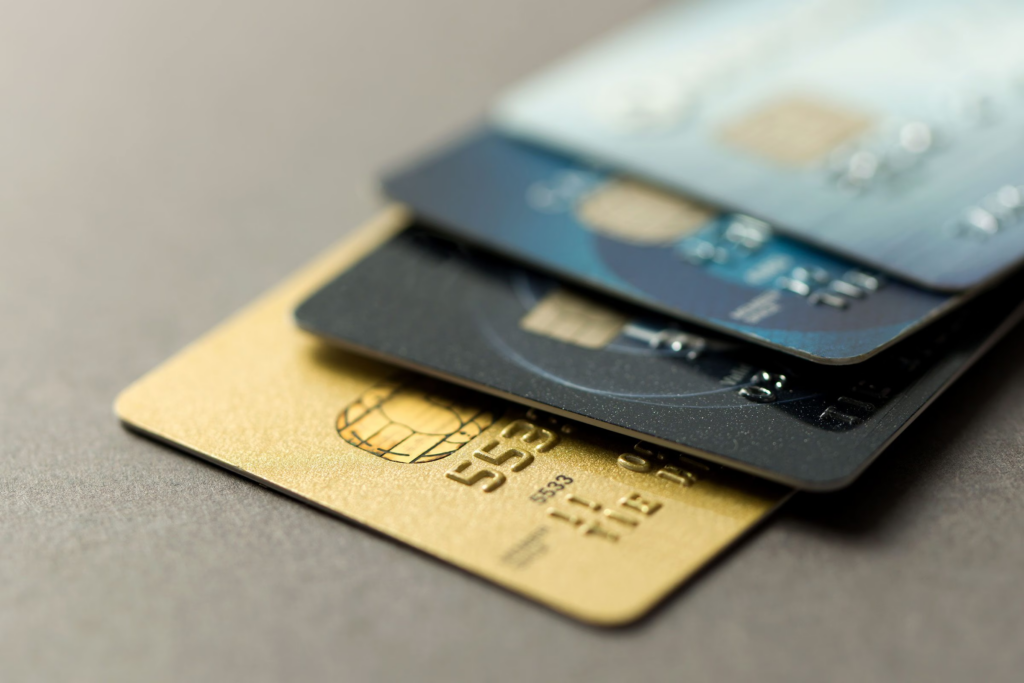
Another important point is not to lend your card or share sensitive information, such as the card number, security code, or personal PINs. The rise in digital purchases has also increased the risks of fraud and financial information theft.
In addition, they recommend regularly reviewing your statements to detect unfamiliar charges, errors, or unauthorized purchases. Many people neglect this practice and don’t discover problems until their debt has already become substantial.
Impulse purchases are another factor that affects proper credit management. Buying unnecessary items simply because financing is available can quickly throw your monthly budget off balance.
It is also not advisable to apply for multiple credit cards at the same time without assessing your ability to pay. Although some offer attractive promotions, managing multiple lines of credit can increase the risk of late payments and excessive debt.
Financial experts advise using a credit card as a support tool and not as an extension of your paycheck. Making timely payments, spending responsibly, and monitoring your debt level helps build a good credit history and prevents financial problems in the future.
Smart credit use not only protects your personal finances but also gives you access to better financial opportunities, loans, and long-term banking benefits.
You may also want to read: