

 dinero_admin
Global economic growth will slow to 2.5% in 2026, down from 2.9% in 2025, due to the economic impact of the conflict in the Middle East, according to the latest edition of the World Bank Group’s Global Economic Prospects report.
The institution warned that global economic expansion would reach its lowest level since the start of the COVID-19 pandemic, driven by rising energy prices, higher inflation, and increased borrowing costs.
According to the projections, the global economy would grow by 2.8% in 2027, although this figure would remain 0.4 percentage points below the average recorded during the 2010s. Furthermore, the World Bank noted that growth forecasts for two-thirds of economies were revised downward compared to the estimates published in january.
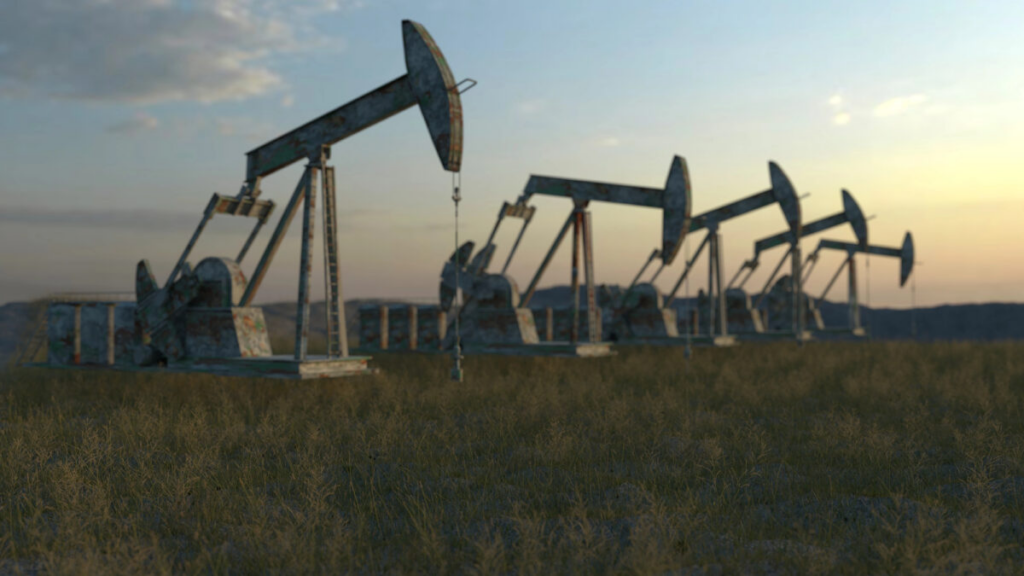
One of the main factors behind the slowdown is the disruption to energy markets following the closure of the Strait of Hormuz. As a result, the average price of Brent crude could reach US$94 per barrel in 2026, a 36% increase compared to 2025 levels.
The report also forecasts a significant rise in fertilizer prices, which could translate into higher food costs and push global inflation to 4.0% this year, up from 3.3% in 2025.
In a more adverse scenario, if energy disruptions deepen and are compounded by increased financial stress, global growth could fall to just 1.3% in 2026, while inflation would climb to 4.4%.
Developing economies will also face a significant slowdown. The World Bank projects that its growth will fall from 4.4% in 2025 to 3.6% in 2026, the lowest level since the pandemic, before recovering to 4.2% in 2027.

The Gulf economies directly affected by the conflict would be the hardest hit. Their growth would drop from 3.9% in 2025 to near zero in 2026, although a recovery to rates close to 5% is expected during 2027 and 2028, supported by the reactivation of trade and reconstruction efforts.
Given this situation, the World Bank Group announced that it has between US$50 billion and US$60 billion available to provide immediate support to affected countries through existing mechanisms. Of that amount, US$25 billion corresponds to previously agreed-upon financing.
The institution also indicated that if the crisis persists and its economic effects intensify, it could expand its financial support to between US$80 billion and US$100 billion over the next 15 months.
The report also warns of the deterioration of public finances in developing countries. Since 2010, the total public debt of these economies has increased from less than 40% of Gross Domestic Product (GDP) to more than 70%, raising financing costs and reducing the scope for investment in infrastructure, health, education, and job creation.
You can also read: