

 dinero_admin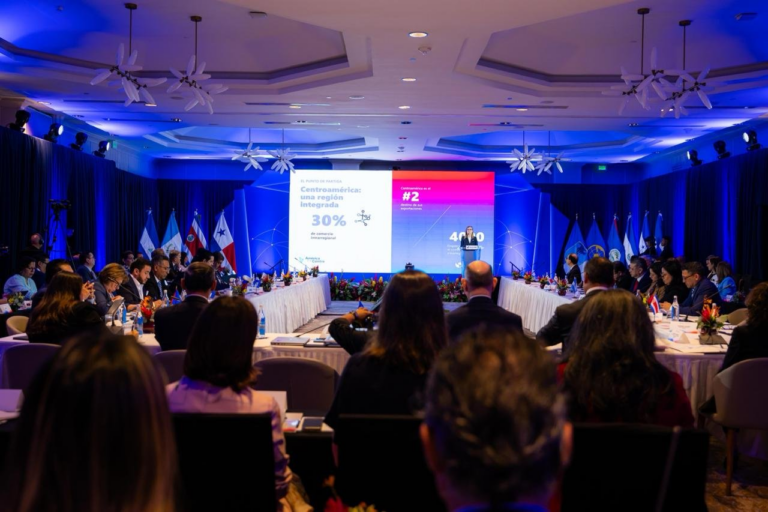
With an initial investment of US$130 million in the Pacific Corridor, through which approximately 70% of Central America’s cargo flows, the region’s countries are seeking to transform the movement of goods through the Cargo Pass program. The initiative has a potential economic benefit estimated at US$700 million annually and aims to modernize border processes, incorporate technology, and reduce the costs and times associated with regional trade.
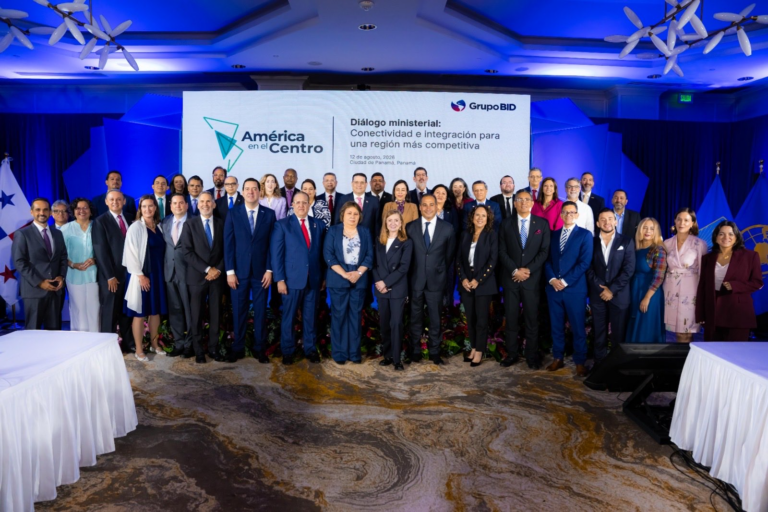
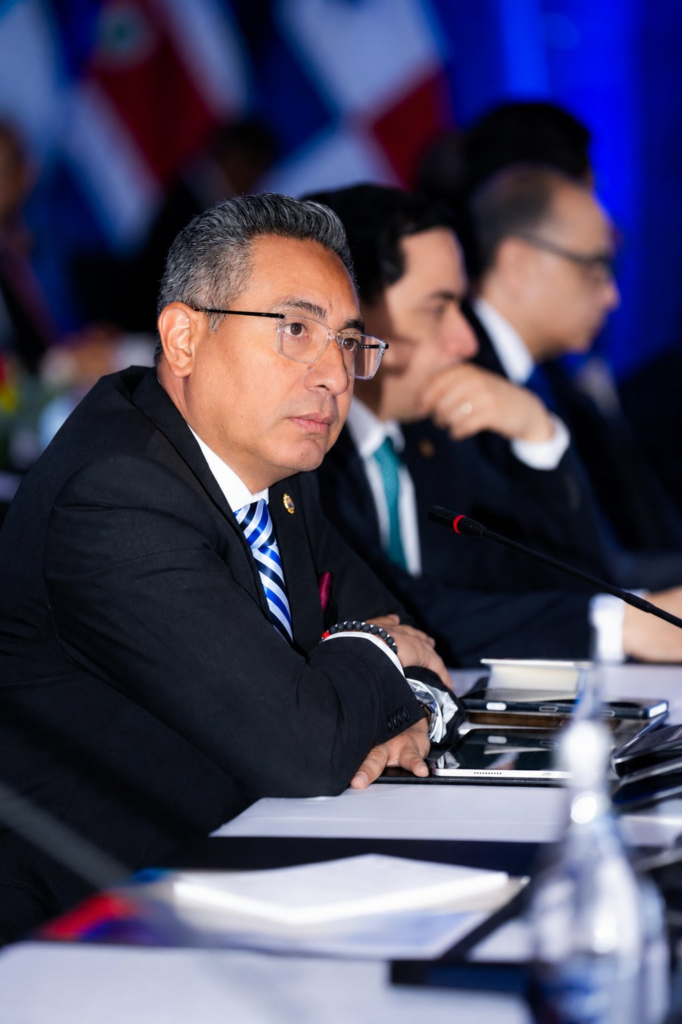
Finance Minister Jerson Posada emphasized that Central America faces the challenge of becoming a more agile, connected, and competitive region. During the ministerial dialogue “Connectivity and Integration for a More Competitive Region”, organized by the Inter-American Development Bank (IDB) Group, the official noted that El Salvador considers it a priority to modernize and digitize border processes, strengthen coordination among countries, and bring initiatives like Cargo Pass to fruition.
Posada affirmed that El Salvador is ready to become a pilot country for this model, with the goal of contributing to more efficient regional logistics. As explained, improving border processes would reduce costs for businesses, facilitate the movement of goods, and create better conditions for trade and investment.
This initiative has a direct impact on economic activity, since delays and bureaucratic procedures at borders represent additional costs for carriers, producers, importers, and exporters. Greater digitalization and coordination among authorities would expedite the transit of goods and improve the competitiveness of companies operating within the region.
Cargo Pass seeks to create a regional logistics ecosystem by combining processes, technology, infrastructure, and regulatory harmonization. The goal is to make borders faster and more secure, facilitating the movement of goods between Central American countries.
The meeting was attended by ministers and government officials, representatives from the private sector, international organizations, and experts from Central America, Panama, and the Dominican Republic. The authorities agreed on the need to advance greater physical, digital, and commercial connectivity to boost economic growth, facilitate trade, and attract investment. The IDB will be responsible for preparing an Institutional and Governance Framework for Cargo Pass, as well as presenting alternatives for its financial structuring and implementation model. It will also develop a roadmap to allow for the progressive implementation of pilot projects, in coordination with governments and the private sector.
The IDB will present the comprehensive proposal for the program’s gradual implementation during the first quarter of 2027. The document will include the main actions, required decisions, responsible parties, and the identification of the first pilot corridors.
The IDB will present a comprehensive proposal for the gradual implementation of the program during the first quarter of 2027. The document will include the main actions, required decisions, responsible parties, and the identification of the first pilot corridors.
The economic importance of this initiative is related to the weight of intraregional trade. According to ECLAC data cited during the meeting, approximately 30% of Central American exports are destined for other countries within the region, while Central America is the main destination for its exports after the United States.
For El Salvador, participation in Cargo Pass represents an opportunity to improve its position within regional trade chains. Posada’s proposal aims to ensure that border modernization goes beyond operational improvements, resulting in lower logistics costs, greater competitiveness, and new opportunities for trade and investment.
You can also read: