

 dinero_admin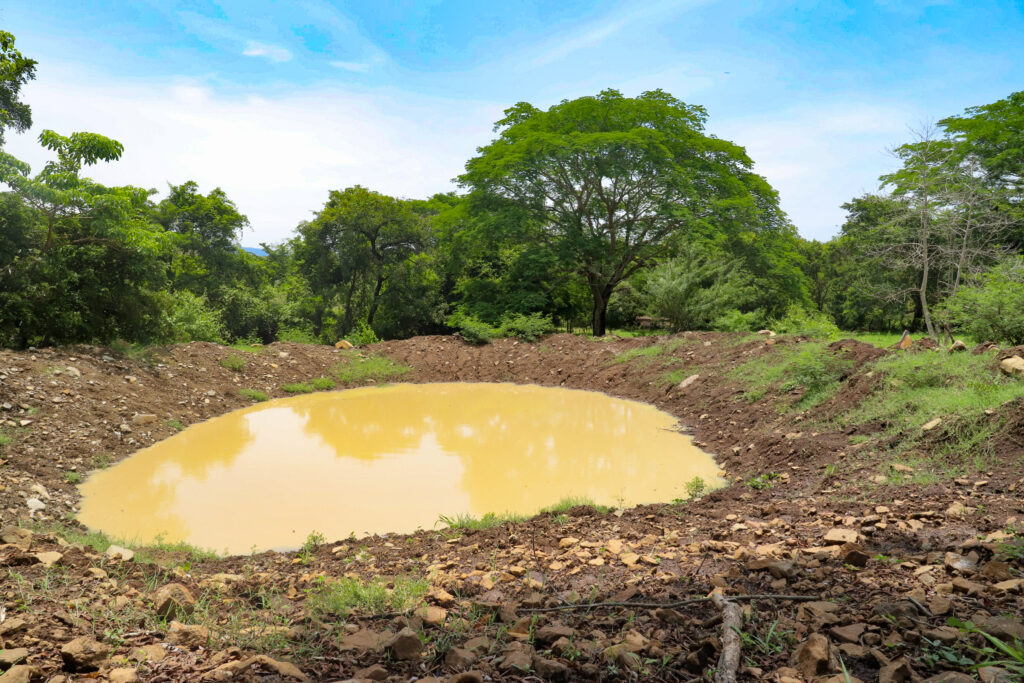
In response to the El Niño phenomenon and the potential reduction in rainfall across the country, the Ministerio de Agricultura y Ganadería (MAG), through the Centro Nacional de Tecnología Agropecuaria y Forestal (CENTA), is promoting the implementation of homemade reservoirs for rainwater harvesting and storage. This practice helps ensure the availability of water resources in rural areas.
CENTA technicians recommend that producers collect rainwater from rooftops using gutters and pipes that channel it to reservoirs or plastic tanks. These are efficient options for storing water safely and accessibly. It is also possible to directly collect rainwater falling on the land, making the most of rainfall during the rainy season.
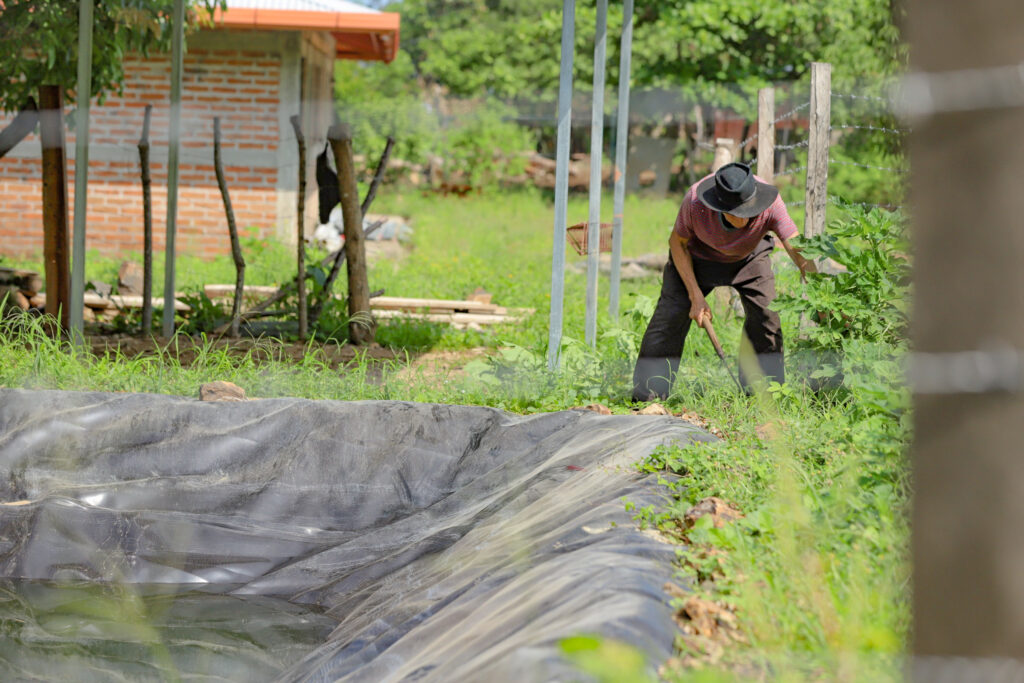
The water harvesting process includes four fundamental stages: collection, conveyance, storage, and distribution. This methodology allows for the availability of water for irrigating small, cultivated areas, especially family gardens, as well as for preparing products for pest and disease control.
Among the recommended alternatives are reservoirs constructed by excavating in the ground, which can be circular, rectangular, or square and lined with black plastic, geomembrane, or clay. These are practical solutions adaptable to each producer’s conditions.
Another alternative involves constructing above-ground reservoirs using elevated structures with wooden posts and wire mesh covered with black plastic or geomembrane.
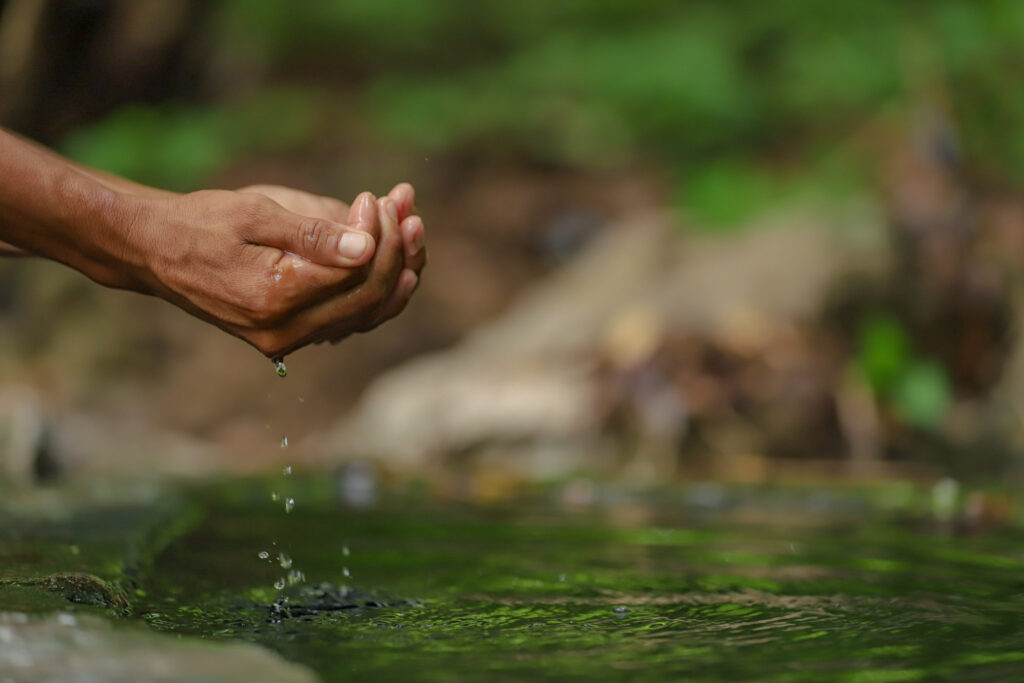
Implementing these measures allows rural families to have water reserves for animal consumption and some domestic uses, strengthening the resilience of production systems to periods of water scarcity. It also contributes to maintaining food production and reducing the risks associated with climate variability.
These actions are part of the efforts promoted by the Government of El Salvador, through the MAG, and CENTA, to promote sustainable water resource management practices, strengthen food security, and improve the well-being of farming families in the face of the challenges of climate change.
You can also read: