


 dinero_admin
Having more than one credit card can be a useful tool for managing personal finances, if it’s used responsibly. Although many people believe that having several cards is synonymous with debt, financial education specialists point out that the real risk lies not in the number of cards, but in how they are managed.
One of the main advantages of having more than one card is the ability to distribute expenses. For example, one can be used for household purchases, another for travel or emergencies, and another to take advantage of promotions or rewards programs. This organization makes it easier to keep better control of your budget and avoids concentrating on all your expenses on a single line of credit.
Furthermore, having more than one card can be useful in unforeseen situations. If one malfunctions, is blocked for security reasons, or reaches its credit limit, having a second option allows you to continue making payments without major problems.

Another benefit is that some cards offer specific perks, such as cashback, points accumulation, travel miles, store discounts, or exclusive promotions. Choosing the right card for your spending habits can help you make the most of these benefits.
However, experts warn that there are also risks if they aren’t managed properly. Having multiple cards can lead to spending more than you can afford, especially when you feel you still have available credit on different accounts.
Likewise, managing multiple billing and payment due dates increases the likelihood of missing a payment. A late payment can generate interest, late fees, and even damage your credit history, which could make it harder to access future loans or financing.
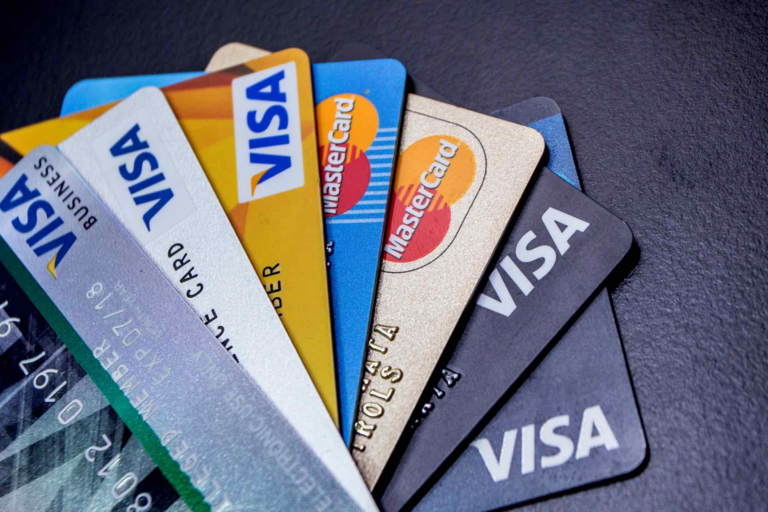
Another aspect to consider is the associated costs. Some cards charge annual membership fees, insurance, or other commissions, so maintaining several without using them can represent an unnecessary expense.
Experts recommend that before applying for a new card, you evaluate whether you really need it, compare the interest rates, fees, and benefits offered by each financial institution, and verify that you can make the monthly payments without affecting your budget.
They also advise using only a portion of your available credit limit and paying the balance in full each month whenever possible. This helps avoid interest charges and contributes to maintaining a good credit history.
In conclusion, having more than one credit card isn’t necessarily a bad idea. It can offer greater flexibility, security, and access to benefits, provided there is proper planning and financial discipline. The number of cards is less important than the ability to manage them responsibly and avoid accumulating debt that exceeds your ability to pay.
You can also read: