

 dinero_admin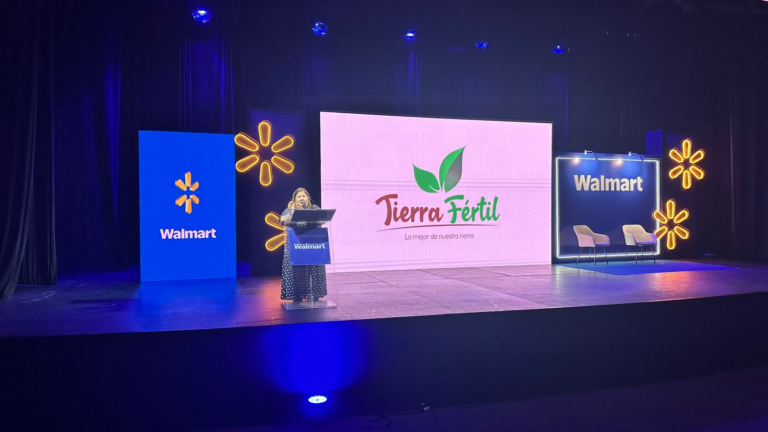
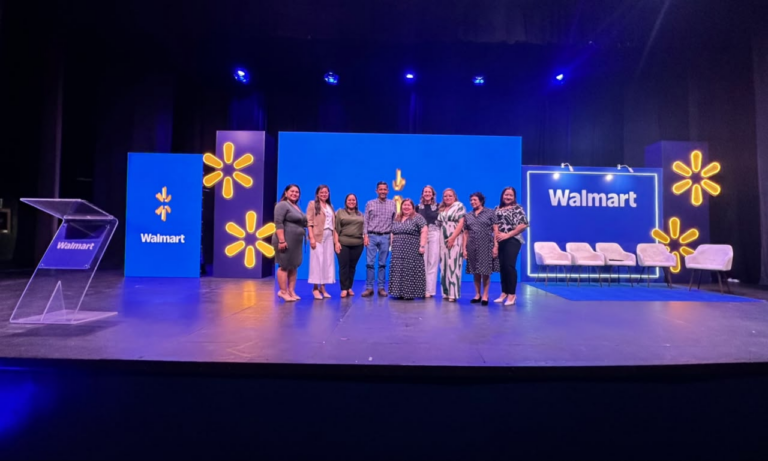
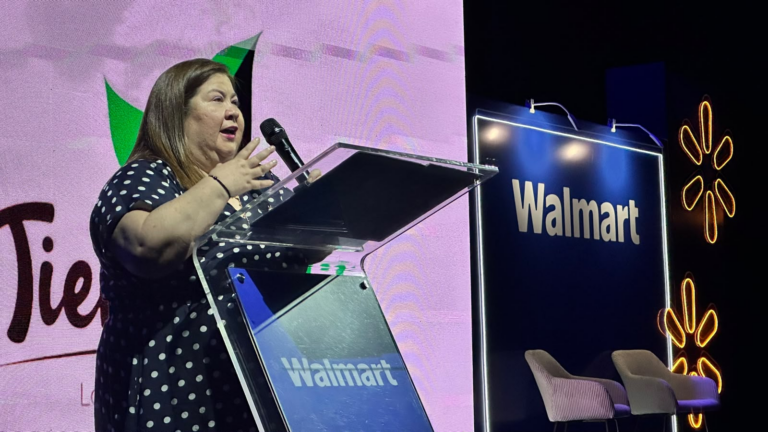
Walmart Central America in El Salvador consolidated its leadership in sustainability and development after presenting its latest Reporte Ambiental, Social y de Gobernanza (ASG) for the year 2025, in which it reaffirms its leadership in the retail sector and its progress toward a more regenerative, resilient, and sustainable business model in the region.
The report compiles the most relevant findings from Walmart’s ESG report for Mexico and Central America, highlighting achievements in investment, community development, environmental sustainability, and the strengthening of its value chain.
Growth and investment for regional development
Throughout 2025, Walmart Central America made investments aimed at expanding stores, modernizing infrastructure, and strengthening its logistics, technology, and sustainability ecosystems.
Boosting employment and production networks
With a workforce of more than 4,550 associates in the country, Walmart remains one of the leading employers in El Salvador and Central America.
In 2025, more than 6,800 internal promotions were granted across the region. The company also strengthened its supply chain with more than 1,000 new suppliers, driving regional economic growth.
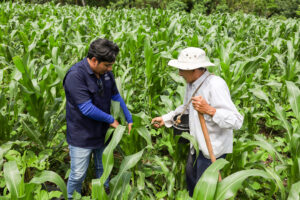
Through our “Una Mano para Crecer” and “Tierra Fértil” programs, Walmart in El Salvador supported 102 manufacturing SMEs and agricultural producers, benefiting more than 1,862 families and purchasing more than $13 million worth of goods.
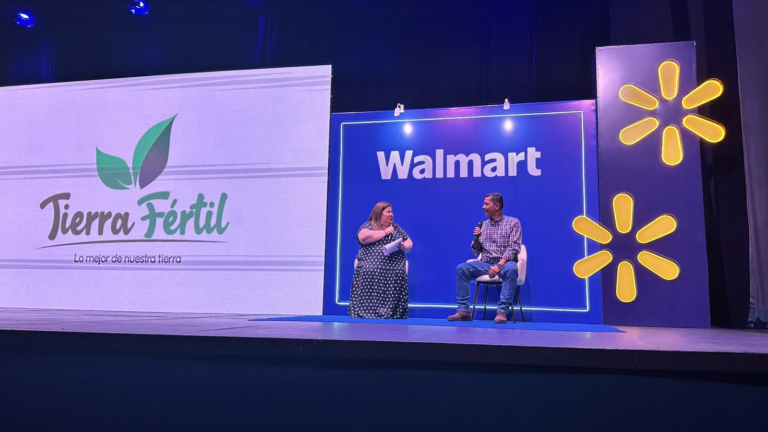
Tierra Fértil: 44 salvadoran agricultural producers, benefiting more than 800 families.
Una Mano para Crecer: Walmart supported 58 manufacturing SMEs, creating 1,062 direct jobs.
Social impact and community support
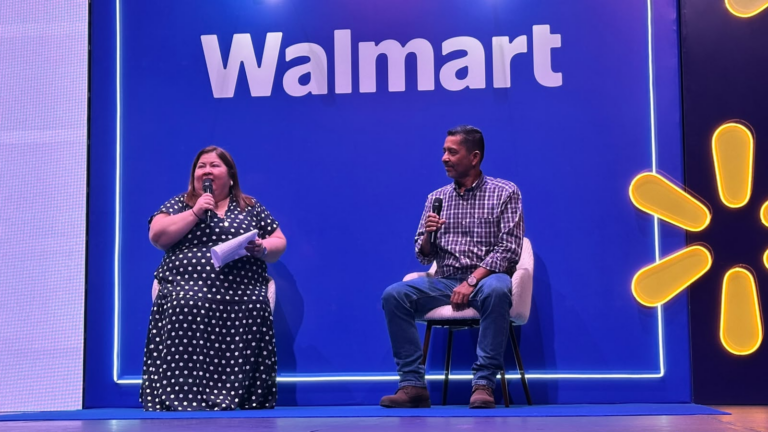
As part of its commitment to communities, Walmart in El Salvador reported that in 2025 it donated more than 317,000 kilograms of products, including fruits and vegetables, as well as a wider range of items such as pet food, dairy products, frozen foods, eggs, cheese, cold cuts, pizzas, and ready-to-eat meals, totaling $700,000, benefiting 41,000 people in vulnerable situations.
This effort is part of the company’s strategy to combat hunger and reduce food waste by recovering products suitable for consumption and donating them at its stores, production plants, and distribution centers throughout Central America.
The company made a social investment of one million dollars, benefiting more than 295,000 salvadorans.
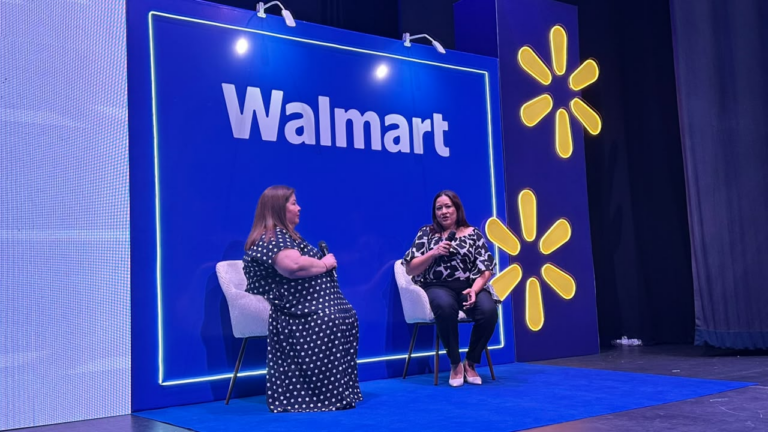
Similarly, the company carried out more than 8 volunteer initiatives with the participation of more than 245 employees. These actions contribute to its zero-waste goal and strengthen social well-being in the region.
Progress toward a more sustainable operation
In El Salvador, more than 6,800 metric tons were recycled, broken down as follows: 5,000 metric tons of cardboard, 673 metric tons of plastic, and 528 metric tons of miscellaneous materials. This is equivalent to more than 95,000 trees saved through cardboard recycling.
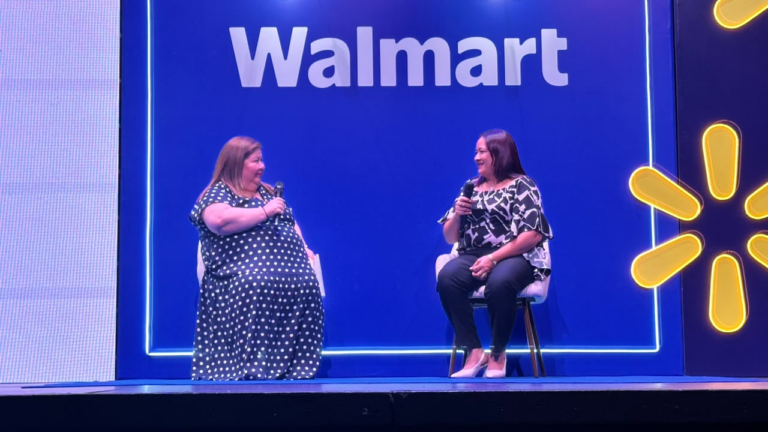
No Bags, Please: 272 million single-use plastic bags taken out of circulation in El Salvador.
In terms of environmental sustainability, Walmart in Central America continues to lead the transition toward cleaner and more regenerative operations; 77.7% of the electricity it uses comes from renewable sources, and 7.2% of its electricity consumption is self-generated through solar panels.
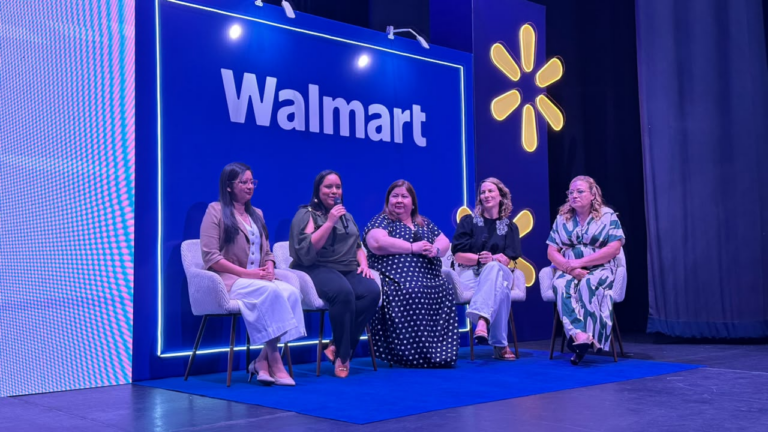
In addition, 59.3% of private-label packaging is recyclable, reusable, or compostable and contains 5.3% post-consumer recycled (PCR) resin. 73.7% of waste was recovered and diverted from landfills.
Safety, equity, and organizational culture
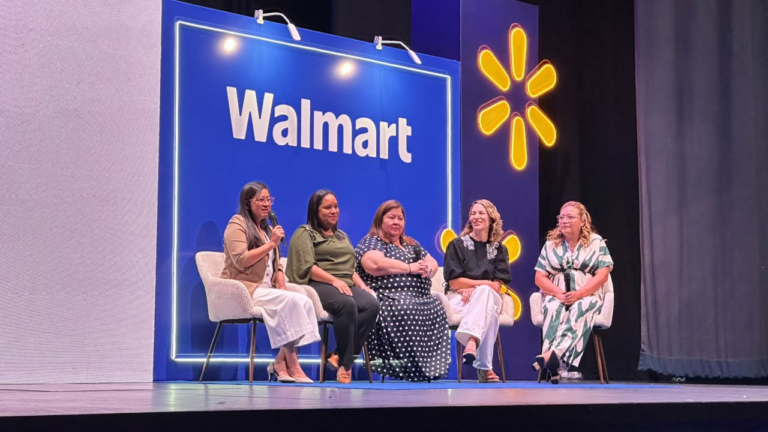
Walmart in Central America also highlighted key achievements in workplace culture, noting that 337 stores met the zero-accident goal and more than 12,100 associates in the region received training in sustainable practices. These results reflect the company’s commitment to safety, inclusion, and talent development.
“This year’s results reflect our commitment to creating sustainable value for our customers, associates, and communities, driving economic and social development in Central America”, said Marco Murillo, Sustainability manager.
You can also read: