

 dinero_admin
Photo: Google
When household expenses increase but income stays the same, the family budget can begin to fall short. The increase in prices of food, transportation, services, housing and other products can reduce purchasing capacity and make it more difficult to make ends meet. Given this scenario, it is important to adjust your finances before constantly resorting to loans or credit cards.
The first step is to review what the money is being spent on. Keeping track of expenses for several weeks allows you to identify how much is spent on food, transportation, utilities, debts, entertainment, and shopping. This review helps you know which expenses are essential and which can be reduced or temporarily eliminated.
Once expenses have been identified, it is advisable to establish priorities. Housing, food, basic services, transportation and financial commitments must be at the top of the budget. Other expenses, such as eating out, entertainment, unplanned purchases, or non-essential subscriptions, can be adjusted while the economic situation stabilizes.
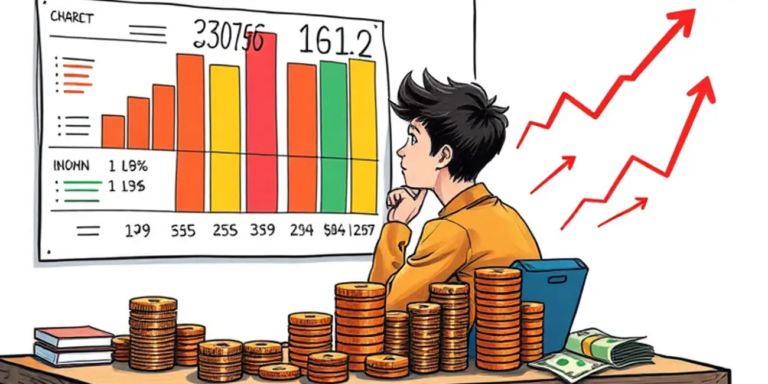
Photo: Google
It is also important to look for alternatives to reduce the cost of regular purchases. Comparing prices, taking advantage of promotions, planning food purchases and avoiding purchasing products on impulse are simple actions that can generate savings. It is not necessarily about eliminating everything that is not essential, but about consuming in a more planned way.
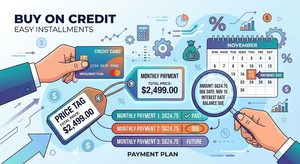
Another aspect that should be monitored is the use of credit cards. Using them constantly to cover basic expenses can solve an immediate need but increases obligations in the following months. If there are already debts, it is advisable to make payments, avoid making new commitments and ensure that the installments do not absorb an excessive part of the income.
When reducing expenses is not enough, seeking additional income can become another alternative. Temporary jobs, sales, freelance services, or activities performed outside of work hours can help offset some of the increased expenses. The important thing is to choose options that really generate a profit and avoid activities that involve going into debt to begin with.
Photo: Google
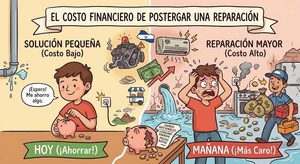
Even if the budget is tight, it is also advisable to maintain small savings as much as possible. Even a modest amount can cover repairs, emergencies, or unexpected expenses without having to immediately take out a loan. If it is not currently possible to save much, you can start with a small amount and gradually increase when finance allows.
In short, when expenses increase and income does not, the solution is not only to spend less, but to reorganize your finances. Reviewing the budget, prioritizing needs, reducing unnecessary expenses, controlling debt, looking for new sources of income and maintaining an emergency fund can help you regain balance. Adapting the level of consumption to the economic reality allows us to protect current finances and prevent the problem from turning into a larger debt.
You can also read: