

 dinero_admin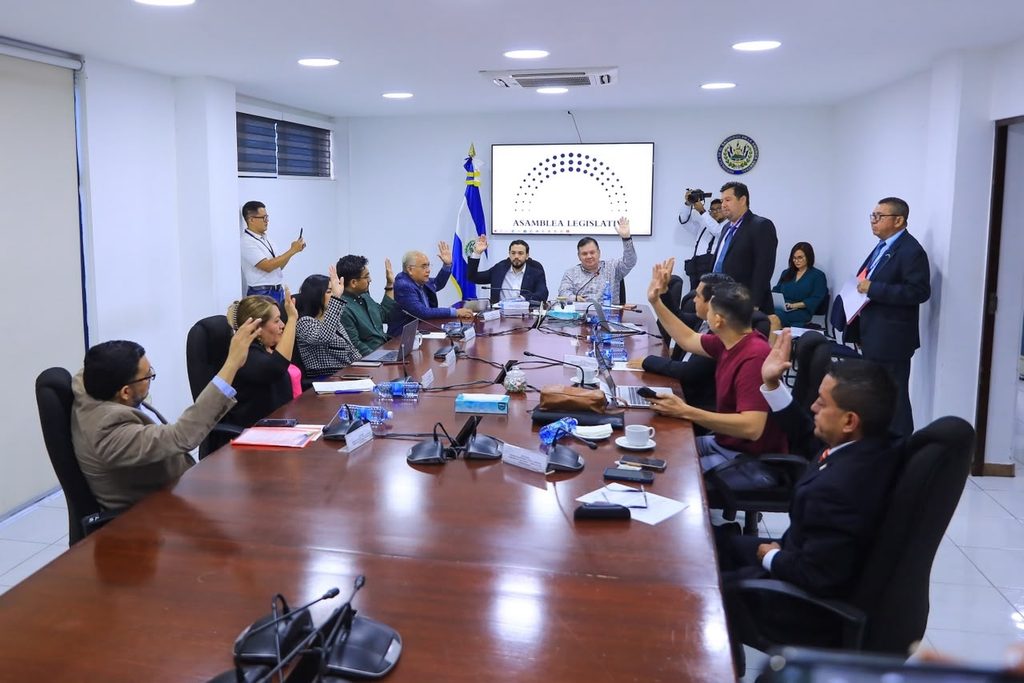
The Finance and Special Budget Committee issued a favorable ruling to exempt from taxes US$1.3 million earmarked for 600 former employees of Impression Apparel Group in El Salvador, who lost their jobs following the textile company’s closure. The measure aims to ensure that humanitarian aid funds reach the affected individuals in full.
During the review of the initiative, lawmakers met with Gerardo Ramos, head of the Legal Division of the General Directorate of Internal Revenue at the Ministry of Finance, who explained the tax treatment that would apply to this aid. The funds were secured through a process spearheaded by the Workers’ Rights Consortium, an independent organization dedicated to investigating working conditions and monitoring compliance with workers’ rights in factories worldwide.
According to the information presented to the committee, the Consortium facilitated a dialogue with clients of Impression Apparel Group to seek support for the workers affected by the factory’s closure. As a result of these efforts, humanitarian aid totaling US$1.3 million was secured, to be distributed among the former employees who are beneficiaries.
One of the central points of the proposal is that workers be able to receive the amount due to them without tax deductions. Ramos explained that, if the exemption is approved, the funds would not be subject to income tax (ISR) or the 30% tax established in the Foreign Agents Act for transactions involving funds from abroad.
The exemption would be in effect for one year. During that period, the measure would also allow other funds provided by individuals or companies as humanitarian aid to former workers affected by the closure of Impression Apparel Group to be exempt from taxes, under the conditions established in the initiative.
The Organización de Mujeres Salvadoreñas por la Paz (ORMUSA) would be responsible for receiving, managing, and distributing the funds among the 600 former employees who would benefit. In this way, the organization would be responsible for channeling the aid to the people affected by the loss of their jobs.
The proposal also establishes mechanisms for monitoring the use of the funds. ORMUSA must submit a detailed report to the Legislative Assembly on the funds received and how they were distributed among the beneficiaries. The document must bear the signature and seal of an auditor.
The auditor will be responsible for reviewing the management of the funds and verifying the information included in the report to be submitted to the Legislature. With the Finance Committee’s favorable opinion, the bill moves forward in the legislative process and establishes a mechanism for the US$1.3 million in humanitarian aid to be distributed to former workers without the tax deductions provided for in current legislation.
You may also read: