

 dinero_admin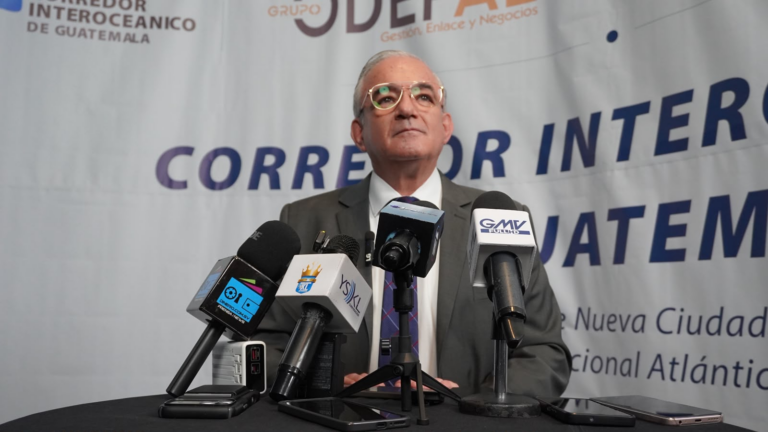
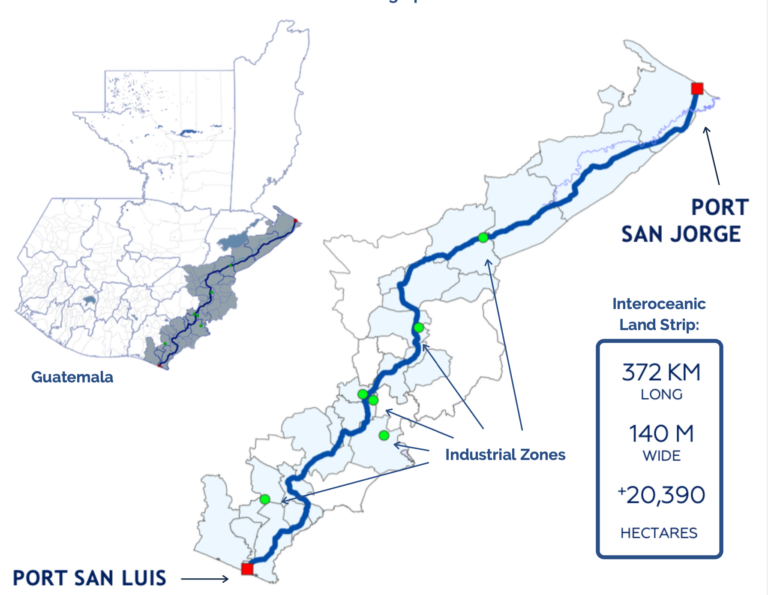
The launch of the Centro Logístico Internacional San Jorge, the first economic component of Corredor Interoceánico de Guatemala, also highlighted El Salvador’s role in the project’s financing strategy, particularly through the country’s regulated digital asset market.
During a press conference, Guillermo Catalán, president of the Interoceanic Consorcio Interoceánico de Guatemala (CIGSA), explained that part of the initiative’s financial structure incorporates a tokenization mechanism authorized under the Salvadoran regulatory framework, with the aim of expanding investor participation and facilitating access to large-scale projects.
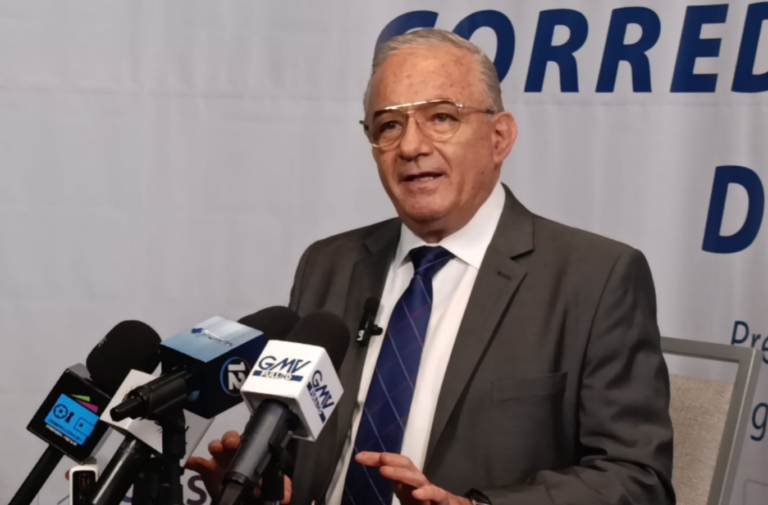
Catalán detailed that the instrument, called CoinGT, was developed under the supervision of Comisión Nacional de Activos Digitales (CNAD) the entity responsible for regulating digital asset issuances in the country. He explained that approximately 7% of the shares of the Consorcio Interoceánico de Guatemala back this digital token.
“The process we carried out in El Salvador, where we are regulated by Comisión Nacional de Activos Digitales del Gobierno de El Salvador, involves approximately 7% of the shares of the Interoceanic Consortium of Guatemala backing this token”, Catalán stated during his presentation.
According to the businessman, tokenization aims to democratize access to investment opportunities that would normally be reserved for large capital holdings. Under this scheme, individuals with relatively small amounts of capital could acquire a stake in the project through digital assets backed by the consortium’s shares.
Catalán said that this tool will allow young people and small investors to get involved in the development of the corridor without needing to make million-dollar investments.

“This token will allow a young person, someone with savings, with US$100, US$200, to buy a token, to be part of the corridor, and to feel like they are part of it. It’s not just for large investments”, he indicated.
The executive explained that the initiative arose as an alternative to complement traditional sources of financing for a project whose total projected investment exceeds US$15 billion. He commented that a project of this magnitude requires innovative mechanisms that allow for the incorporation of new participants as the various phases of development progress.
He also highlighted that El Salvador has become a key player in this process thanks to its specialized regulatory framework for digital assets, which has allowed for the structuring of the token issuance under official supervision.
Salvadoran participation is also reflected in the presence of investors and partners from the country within the project. Catalán stated that the seed capital that has driven the initial development of the corridor comes from Guatemalan entrepreneurs and international partners, including salvadoran investors.
With this, El Salvador not only serves as a regulatory market for the issuance of digital assets linked to the project, but also as one of the countries participating in the initial financing stage of an initiative that seeks to attract private capital for the development of logistics infrastructure in the region.
You can also read: