

 dinero_admin
Buying a vehicle, appliance, business equipment, or even a home often presents one of the most important financial decisions for families: paying in cash or financing. While many people believe one option is better than the other, financial education specialists point out that the decision depends on factors such as savings capacity, the cost of credit, and each person’s economic stability.
Paying in cash means covering the total value of the product in a single payment, avoiding loans, installments, and interest. The main advantage is that the buyer knows exactly how much they are paying and avoids additional costs such as interest, fees, or insurance associated with financing. Furthermore, they don’t acquire a financial obligation that affects their future income.
However, using all their savings to make a purchase can leave a person without the liquidity to face medical emergencies, unemployment, or unexpected expenses. Financial education experts recommend maintaining an emergency fund equivalent to three to six months of basic expenses before allocating a significant amount of money to a purchase.
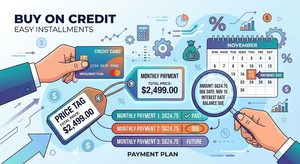
Finance, on the other hand, allows you to acquire an asset without having to pay the full amount upfront. This option can be useful for assets that generate value or income, such as a home, a work vehicle, or machinery for a business. It can also be an alternative when someone needs to preserve some of their savings to maintain financial stability.
However, financing involves additional costs. Installments include interest and, in some cases, fees, insurance, or other charges that increase the final price of the product. Therefore, a financed purchase can end up costing significantly more than a cash purchase if the loan terms are not properly compared.
Experts recommend analyzing three aspects before deciding: the interest rate, the total amount to be paid at the end of the loan term, and the ability to meet the installments without jeopardizing the family budget. The Superintendencia del Sistema Financiero (SSF) advises carefully reviewing loan terms and avoiding over-indebtedness, that is, taking on obligations that exceed your actual ability to pay.
There are cases where financing can be a smart decision. For example, when a “zero interest” promotion is offered and the buyer is certain they can meet the established payments. In these cases, the additional cost can be minimal or nonexistent, provided the installments are paid on time. If payments are missed, the outstanding balance can accrue interest and additional charges.
For impulse purchases or goods that depreciate quickly, such as some consumer goods or entertainment items, experts usually recommend paying in cash or even postponing the purchase until you have enough money. This reduces the risk of accumulating unnecessary debt and protects the household’s financial health.
The bottom line is that there is no single answer. Paying in cash is usually the best option when you have sufficient savings and the transaction does not jeopardize your financial stability. Financing can be convenient when it allows you to acquire a necessary item without depleting your savings or when the loan has favorable terms. The key is to evaluate the total cost of the transaction and ensure that the decision contributes to long-term financial well-being, rather than becoming a burden on the family budget.
You can also read: