

 dinero_admin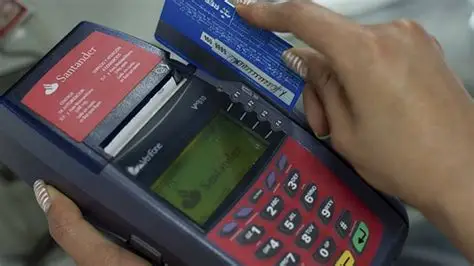
Detecting a purchase or withdrawal you didn’t make could be a sign that your card information has been compromised. In this situation, acting quickly is crucial to prevent further unauthorized transactions and to initiate the corresponding claim process.
The first step is to immediately contact the bank or institution that issued your card and request that it be blocked. The Superintendencia del Sistema Financiero (SSF) recommends doing so as soon as you detect a transaction you don’t recognize. It’s also important to request a replacement card and check for other suspicious transactions on your account.
After blocking the card, you should formally file a claim with the financial institution. Explain what happened and attach all available evidence, such as bank statements, receipts for the unrecognized transactions, screenshots, or notifications received.
This documentation will prove that these transactions were not made by the cardholder and will facilitate the investigation. It is advisable to carefully review account activity and not limit yourself to the charge that revealed the fraud. Some transactions may appear later, so monitoring account statements helps identify any irregular activity and report it promptly.

The SSF indicates that there is a maximum of 90 days to report charges that the user does not recognize, starting from the date the transaction is recorded. Once a claim is filed, the issuing institution has up to 90 days to communicate the results of the investigation and refund the funds, if applicable.
If it is a credit card, while a claim is being resolved, consumer protection regulations stipulate that the provider cannot demand the minimum payment corresponding to the disputed charges or charge interest, fees, or surcharges on those transactions while the procedure is underway, unless the claim is subsequently found to be unfounded.
If the financial institution does not adequately address the claim, the user can contact the SSF’s Consumer Service Office. Currently, the Superintendency receives inquiries and complaints via telephone at 2699-9999, email at atencionalusuario@ssf.gob.sv, and its complaint form.
You can also seek guidance from the Defensoría del Consumidor, which offers telephone support at 910, WhatsApp at 7844-1482, and online services for filing complaints and tracking cases.
Beyond acting after fraud, prevention is also important. The SSF recommends regularly reviewing account statements, activating transaction alerts, and keeping contact information up to date. It is also advisable to keep your card in sight when using it at establishments and to check that ATMs are free of any suspicious devices or objects.
In short, if you suspect your card has been cloned, block it immediately, report any unrecognized transactions, file a complaint with all available evidence, and monitor your account. Acting quickly can help limit the impact of fraud and facilitate the financial institution’s investigation.
You can also read: