

 dinero_admin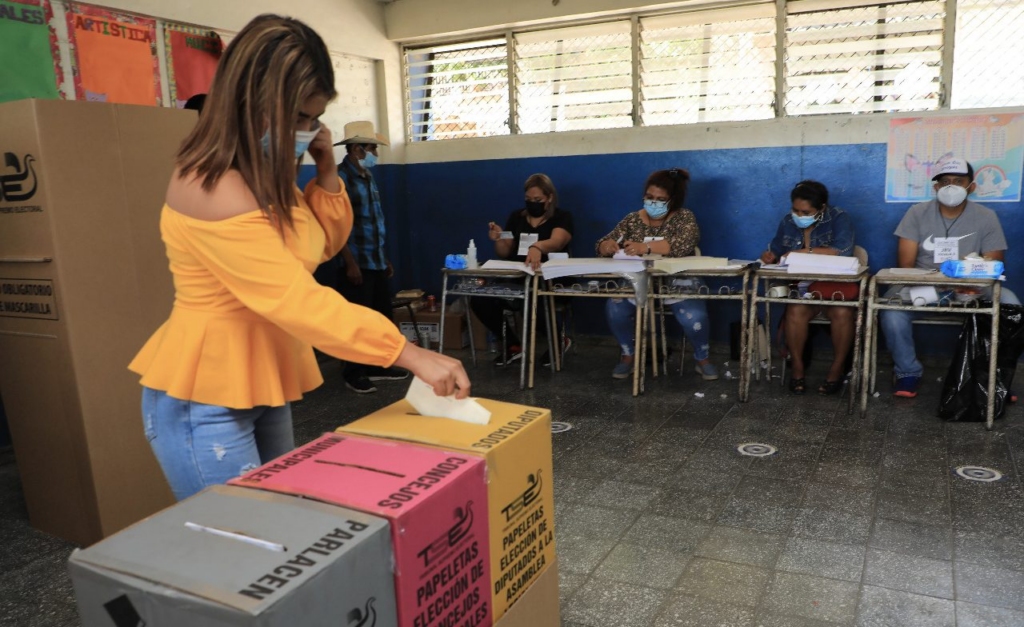
Salvadorans residing abroad can exercise their right to vote even if their Documento Único de Identidad (DUI) or passport has expired, regardless of whether these documents were issued within or outside the national territory, according to electoral reforms approved by the Political Commission of the Legislative Assembly of El Salvador.
This provision is part of the proposed changes to the Ley Especial para el Ejercicio del Sufragio en el Extranjero, as well as reforms to the Electoral Code and the Law of Political Parties, aimed at regulating the new special constituency for the salvadoran diaspora.
The reforms seek to establish the mechanism by which salvadorans residing outside the country can elect their own representation within the Legislative Assembly.
During the discussion of the initiatives, the Political Commission received technical opinions from the Vice Minister of Relaciones Exteriores, Adriana Mira; the Vice Minister of Diáspora y Movilidad Humana, Patricia Godínez; the executive director of the Registro Nacional de las Personas Naturales, Fernando Velasco; and the president of the Tribunal Supremo Electoral, Roxana Soriano.
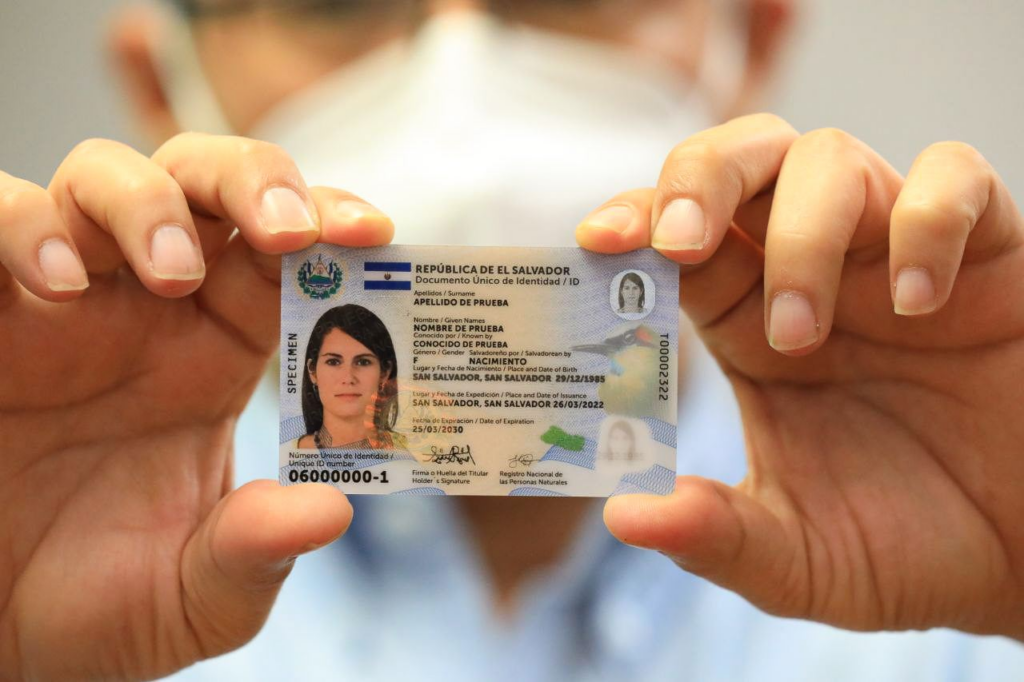
One of the main changes would affect Article 3 of the Ley Especial para el Ejercicio del Sufragio en el Extranjero. The reform establishes that a valid DUI or passport will no longer be required for salvadorans to vote from abroad.
It also proposes that the documents can be used regardless of whether they were issued inside or outside the country.
Regarding the allocation of votes, the proposal stipulates that, for presidential elections, votes cast from abroad will continue to be counted within the national constituency.
However, for legislative elections, salvadorans with a DUI registered abroad will automatically be included in the new special diaspora constituency.
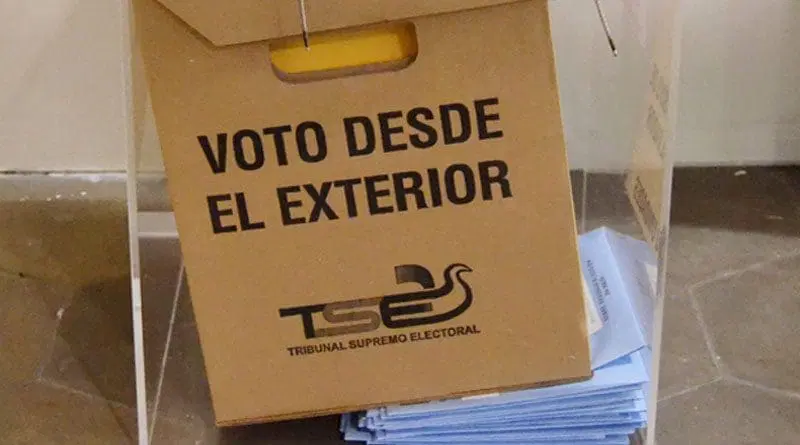
The same rule would apply to those using a passport as their identification document, regardless of whether it is valid or expired.
On the other hand, those whose DUI lists a home address within El Salvador will continue to cast their vote in the department registered on the document.
The executive director of the RNPN explained that this mechanism seeks to provide “legal certainty” regarding the allocation of votes and prevent votes from abroad from continuing to be concentrated solely in the department of San Salvador, as was the case previously.
The reforms also include the addition of six full members of the Legislative Assembly and their respective alternates for the new overseas constituency.
These seats would result from a redistribution of legislative seats. As part of the changes, San Salvador would reduce its representation from 16 to 11 representatives, while La Libertad would go from seven to six.
The proposal maintains that the Legislative Assembly will continue to be composed of 60 full members and the same number of alternates.
Furthermore, the reforms stipulate that the distribution of legislative seats will continue to be carried out using the D’Hondt method, a system that allocates seats based on the number of valid votes obtained by political parties and independent candidates in each district.
Another proposed change will allow salvadorans residing abroad to run for elected office in presidential, legislative, and municipal elections, provided they meet the requirements established in the electoral regulations.
Regarding political parties, the reform to the Law on Political Parties officially incorporates overseas constituencies into the internal electoral structure of political parties.
It also enables the formation of party coalitions for diaspora candidates and maintains the requirement that candidate lists include at least 30% female representation.
During the discussion of the reforms, the president of the Legislative Assembly of El Salvador, Ernesto Castro, pointed out that citizens with a DUI registered abroad will be able to exercise remote voting via the internet for a period of 30 days, in accordance with current legislation.
Castro stated that the reforms will allow the diaspora not only to vote, but also to elect their own representatives and nominate candidates directly linked to salvadorans residing abroad.
Vice Minister Patricia Godínez asserted that the reforms represent a “structural correction” aimed at recognizing the diaspora as citizens with full participation in national political life.
According to data presented by the RNPN as of may 2026, there were 962,678 DUIs with addresses abroad, of which more than 854,000 were valid. In addition, more than 170,000 changes of address abroad were reported since the last elections.
You can also read: