dinero_admin
Health minister Francisco Alabi reported that more than 27 imported cases of measles have been identified in El Salvador and noted that 90% of those infected had not received the full course of vaccinations. However, he emphasized that the country maintains an immunization coverage rate of over 95%, one of the highest in Latin America, which has helped reduce the risk of community transmission.
The minister’s statements coincide with an increase in cases of febrile rash illness, a syndrome characterized by high fever and skin rashes. According to the Ministry of Health, as of epidemiological week 24, 756 cases had been recorded—the highest number reported in the country since 2019. The data show that during the first 13 weeks of the year, infections remained between three and 15 cases per week; however, since mid-april, more than 600 new cases have been recorded, keeping health authorities on high alert.
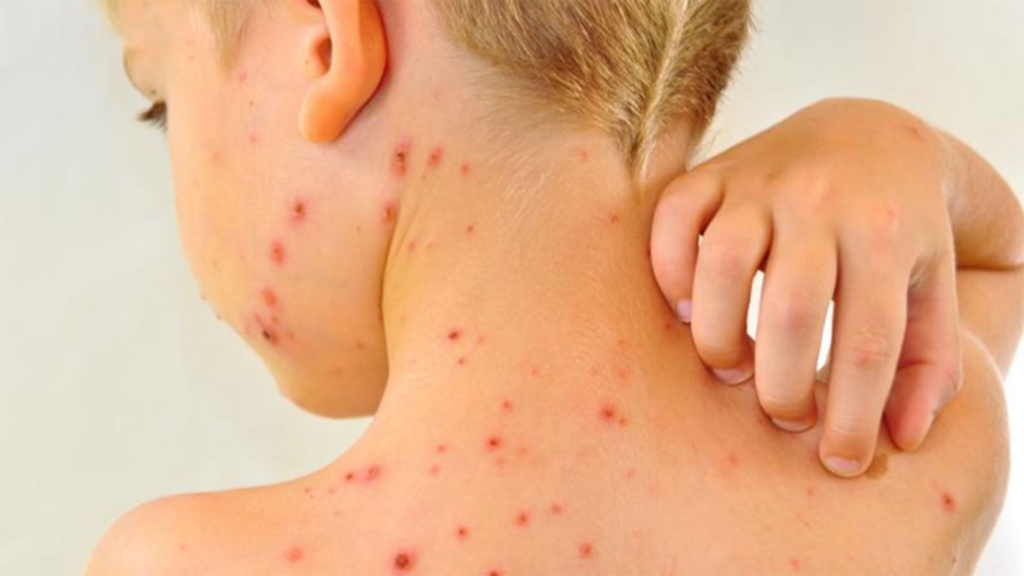
Experts explain that febrile rash illness does not refer to a single condition, but rather encompasses infections caused by viruses or bacteria, including measles, chickenpox, rubella, roseola, and scarlet fever. These illnesses typically begin with a high fever, followed by spots or rashes on the skin. Transmission occurs primarily through saliva droplets, direct contact with skin lesions, or contaminated objects, although some diseases, such as dengue, are spread by vectors.
Authorities noted that children and people with incomplete vaccination schedules are the most vulnerable groups. Therefore, they reiterated the call to keep vaccinations up to date, wash hands frequently, avoid sharing personal items, ventilate enclosed spaces, and wear a mask when experiencing respiratory symptoms.
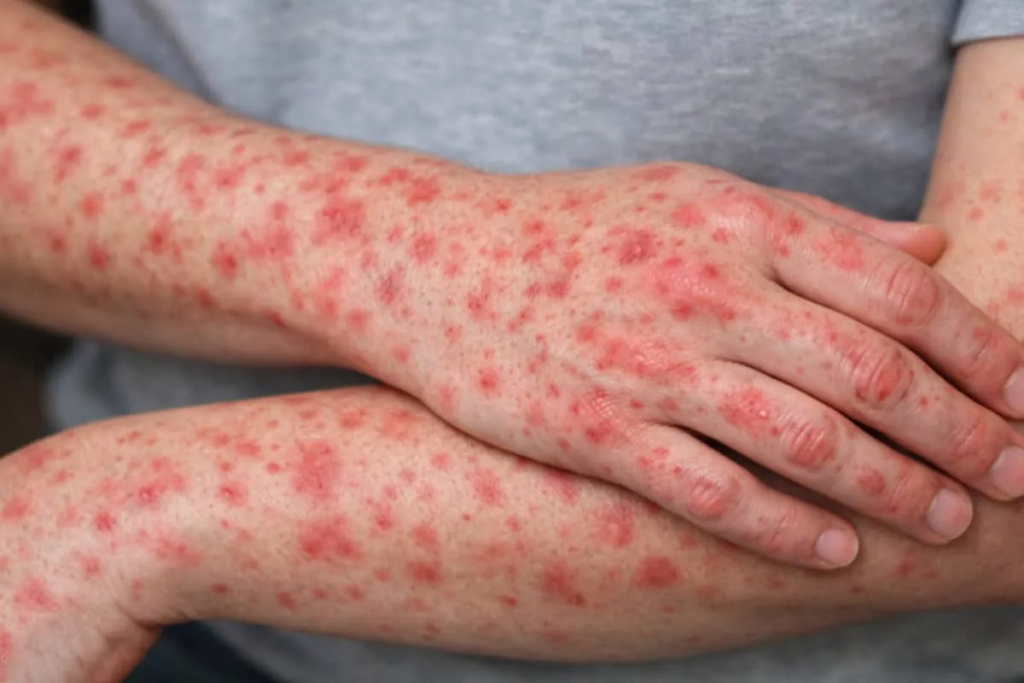
In addition, they recommended seeking immediate medical attention at a health center if symptoms such as high fever, skin rashes, red eyes, sore throat, extreme fatigue, or general malaise occur, since a timely diagnosis allows for identifying the cause of the illness, initiating appropriate treatment, and reducing the risk of further transmission.
You can also read: