dinero_admin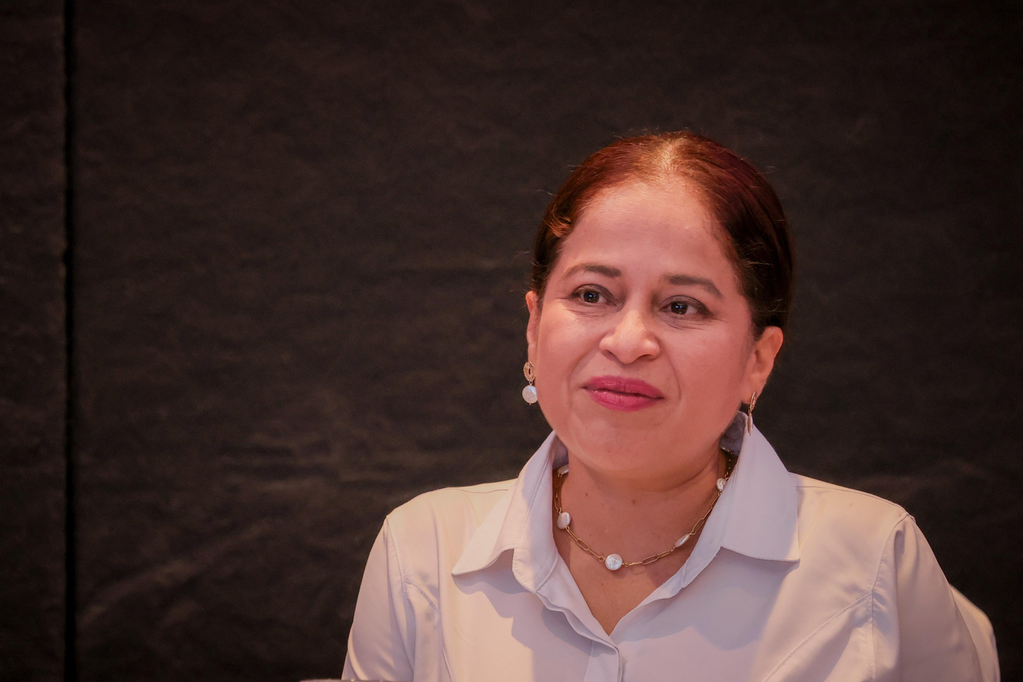
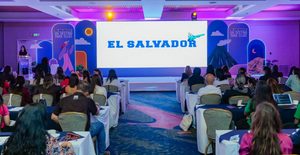
Representatives from the public sector, private companies, and international organizations participated this wednesday in the workshop “El Salvador 2050: Challenges and Opportunities for a Longer-Living Society”, a forum designed to analyze how demographic changes will influence the economy, the labor market, and strategic sectors such as tourism in the coming decades.
The event brought together various stakeholders to reflect on the growth of the older adult population and the opportunities this phenomenon can generate for the country’s economic development. Among the topics addressed were the productive participation of older adults, their integration into the economy, and the need to adapt services and infrastructure to a society with a longer life expectancy.
The minister of Tourism, Morena Valdez, explained that the government is working with the Inter-American Development Bank (IDB) on initiatives to prepare the country to meet the needs of visitors from different age groups. She indicated that one of the objectives is to consolidate El Salvador as a tourist destination capable of offering suitable experiences for people of all ages.
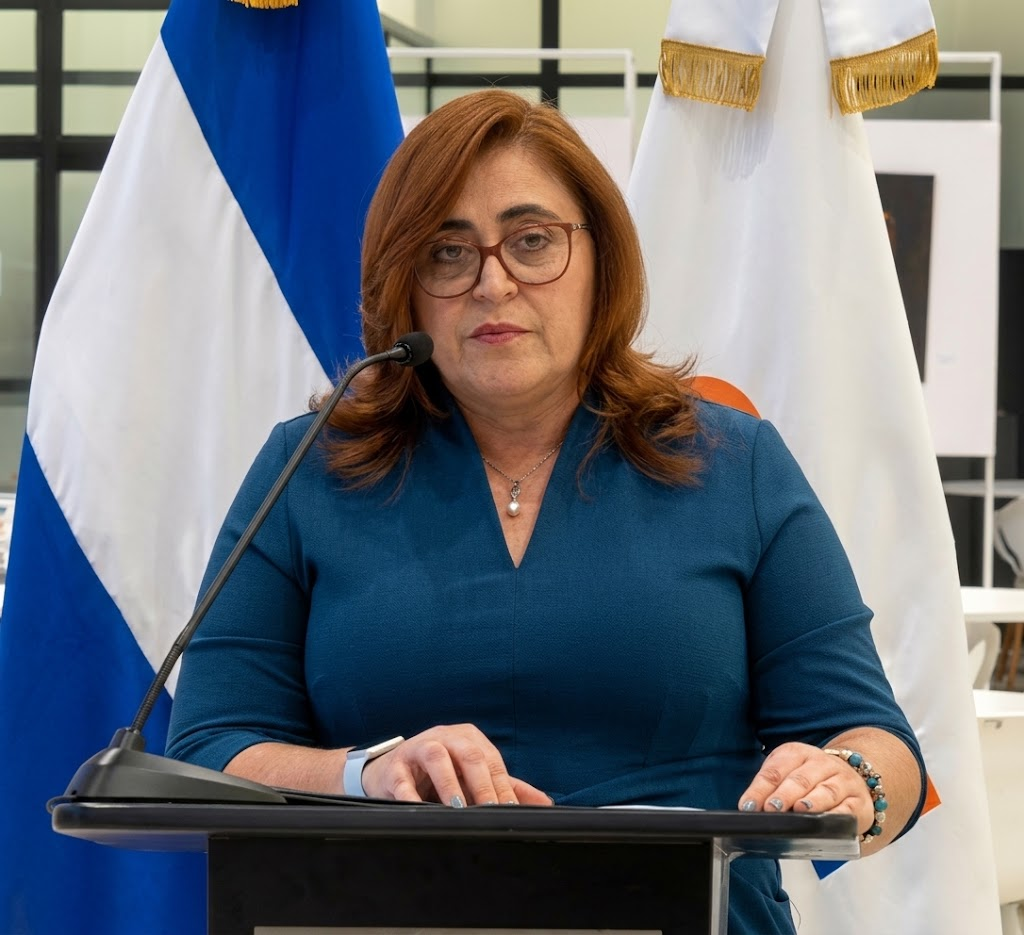
The official noted that part of the analysis focuses on better understanding the profile of those who visit the country and on strengthening the tourism sector’s capacity to serve an increasingly diverse population. This includes training in human resources and developing services that meet the needs of travelers from different generations.
Data shared during the meeting shows that approximately 60% of visitors to El Salvador belong to the millennial and younger generations, while the remainder are members of Generation X and the so-called baby boomers, segments that are generally over 50 years old and represent a market with specific characteristics and needs.
Participants agreed that the aging population should not be seen solely as a social challenge, but also as an opportunity to promote new economic activities, generate specialized products and services, and strengthen sectors with growth potential, such as tourism, health, housing, and financial services.
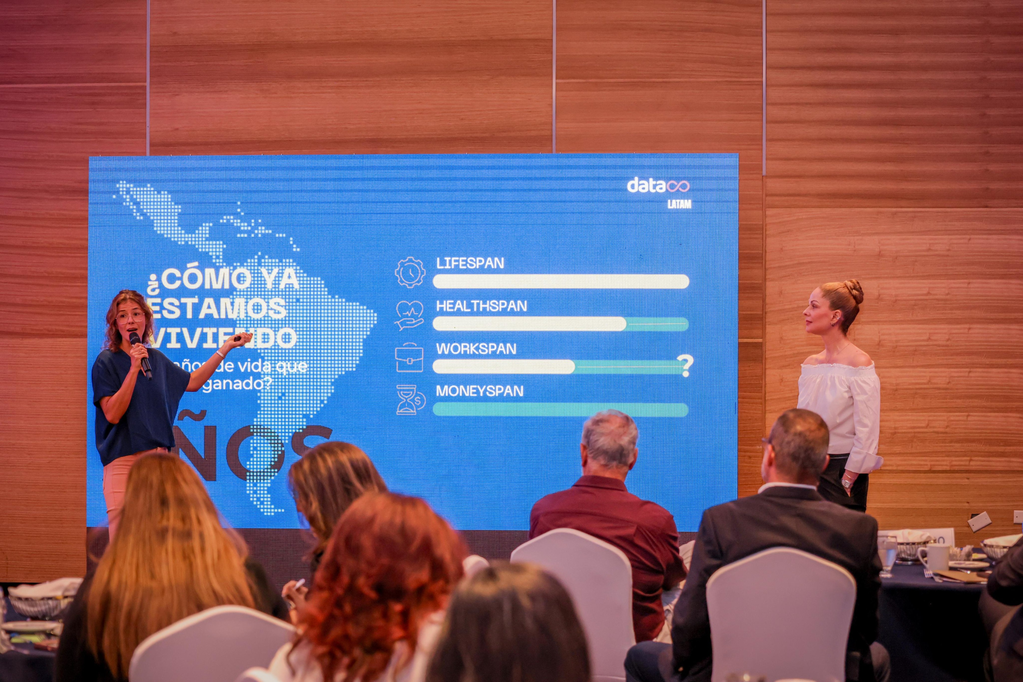
The workshop was organized by Agrisal and the Inter-American Development Bank (IDB) as part of an initiative aimed at generating information and promoting long-term planning. Ricardo Augspurg Meza, real estate director at Agrisal, highlighted the importance of collaboration between the public sector, private companies, international cooperation agencies, and civil society to develop strategies that respond to the country’s future needs.
The analysis of these demographic changes is particularly relevant in a context where El Salvador has seen an increase in international visitors and is seeking to strengthen its competitiveness. Advance planning will allow for the adaptation of policies, services, and infrastructure to meet the demands of an aging population and capitalize on the economic opportunities this process will generate by 2050.
You can also read: