

 dinero_admin
The Legislative Assembly ratified an international cooperation agreement that will allow the implementation of a €3.8 million (approximately US$4.34 million) project aimed at strengthening artisanal fishing and generating greater income opportunities for thousands of families who depend on this activity in El Salvador’s coastal and marine zone.
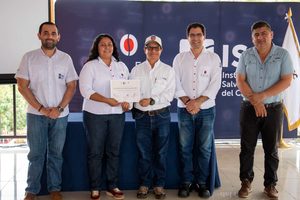
The initiative will be financed through a non-reimbursable contribution from the Agencia Italiana de Cooperación para el Desarrollo (AICS) and implemented by the Autoridad Salvadoreña de Economía Azul (ASEA), after this institution assumed the functions previously held by the Centro de Desarrollo de la Pesca y la Acuicultura (CENDEPESCA).
The project, entitled “Development of Coastal Communities, Strengthening of Artisanal Fishing, the Fisheries Production Chain, and Integrated and Sustainable Coastal Management”, seeks to boost the economic growth of fishing communities by strengthening production, improving the sector’s value chain, and promoting the sustainable management of marine resources.
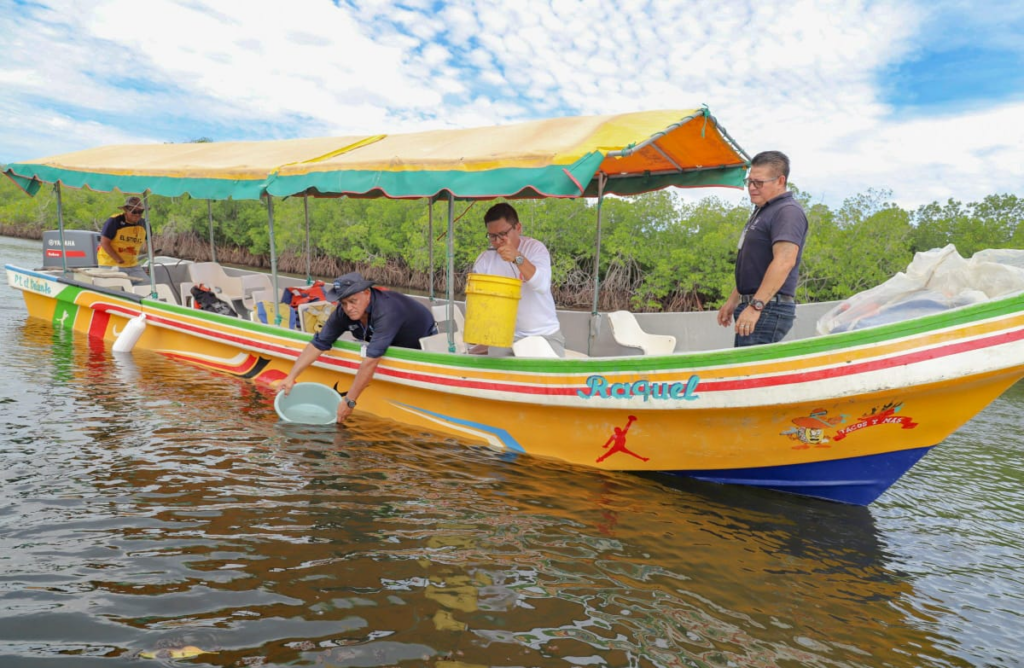
One of its main objectives is to increase income-generating opportunities for artisanal fishers by strengthening their production capacities, supporting cooperatives, and promoting practices that allow for the sustainable use of fishery resources. This is expected to improve the economic activity of coastal communities and raise their quality of life.
The activities will be carried out in Barra de Santiago, between Ahuachapán and Sonsonate; Puerto El Triunfo and Jiquilisco Bay, in Usulután; and in the coastal area of La Unión, territories where fishing is one of the main sources of income for hundreds of families.
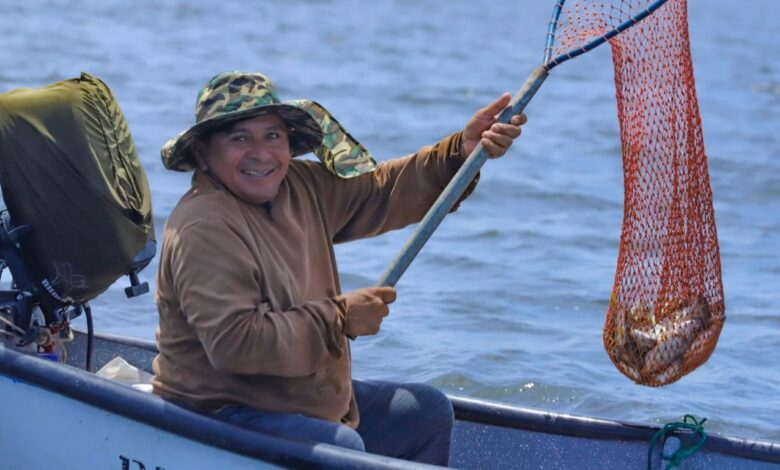
The project will directly benefit approximately 3,000 fishermen organized into about 100 cooperatives, while some 15,000 people will receive indirect benefits, including family members and residents of communities linked to the fishing sector.
In addition to strengthening economic activity, the initiative includes actions to recover marine species breeding grounds, improve natural resource management, and strengthen the institutions responsible for managing the country’s marine heritage, with the aim of ensuring that fishing continues to be a sustainable source of employment and income for future generations.
You can also read: