

 dinero_admin
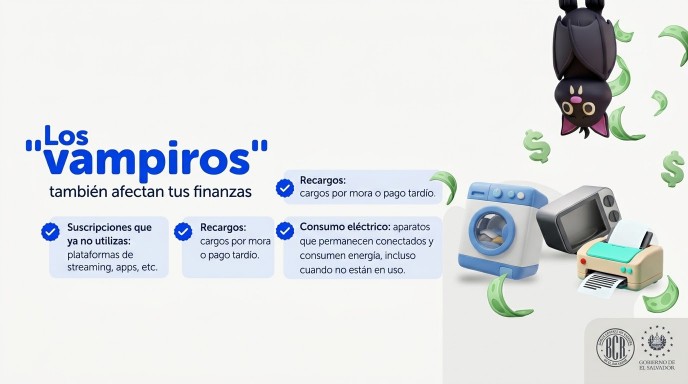
The BCR advises the public to review their spending habits and identify unnecessary expenses that negatively impact their personal finances. The institution noted that small actions, such as canceling unused subscriptions and reducing home electricity consumption, can contribute to better money management.
One expense that can easily go unnoticed is subscriptions to streaming platforms, apps, and other digital services. While each payment may seem small, the accumulation of several monthly installments can represent a significant amount by the end of the year. Therefore, regularly reviewing these services allows users to identify which ones they use and cancel those that no longer meet their needs.
Another point the BCR emphasizes is the importance of avoiding late fees and penalties. Failure to meet payment deadlines can result in additional charges that increase the total amount owed. To prevent these, it is advisable to keep track of due dates, organize a monthly budget, and prioritize financial obligations. Electricity consumption can also influence household expenses. Some appliances continue to use electricity when they remain plugged in, even when not in use. Unplugging equipment that doesn’t need to stay plugged in and adopting more efficient consumption habits can help reduce energy waste and, depending on the equipment and its use, contribute to lowering the electricity bill.
These recommendations relate to the need to identify so-called small or recurring expenses that, when accumulated, can reduce the capacity to save. When part of the budget is allocated to services that are not used, avoidable surcharges, or unnecessary consumption, less money is available to cover basic needs, handle unexpected events, or achieve financial goals.
To implement these measures, it is advisable to review bank statements and receipts from the last few months, classify expenses as necessary or non-essential, and set spending limits. It can also be helpful to create a budget that shows how much money comes in, how much is allocated to fixed obligations, and how much can be set aside for savings.
Reviewing expenses should become regular practice, as needs and spending habits change over time. Evaluating subscriptions, making timely payments, and using household resources responsibly are measures that can improve financial organization without requiring drastic lifestyle changes.
With these recommendations, the BCR promotes the identification of expenses that can be avoided through everyday decisions. The goal is to strengthen the management of personal and family resources, reduce unnecessary spending, and facilitate more organized financial planning.
You can also read: