

 dinero_admin
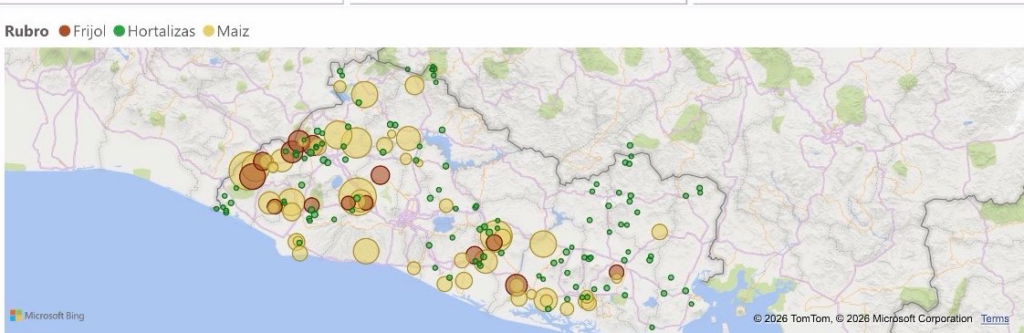
The Government of El Salvador reported progress in agricultural planting nationwide as part of the Programa de Aumento a la Producción, with more than 166,000 blocks (approximately 166,000 acres) cultivated with corn, beans, and vegetables, according to Oscar Domínguez, Vice Minister Ad-Honorem of the Ministerio de Agricultura y Ganadería de El Salvador (MAG),
According to the official, 132,000 blocks (approximately 132,000 acres) of corn have been planted so far in irrigation districts, areas with irrigation systems, and targeted areas where rainfall has already occurred.
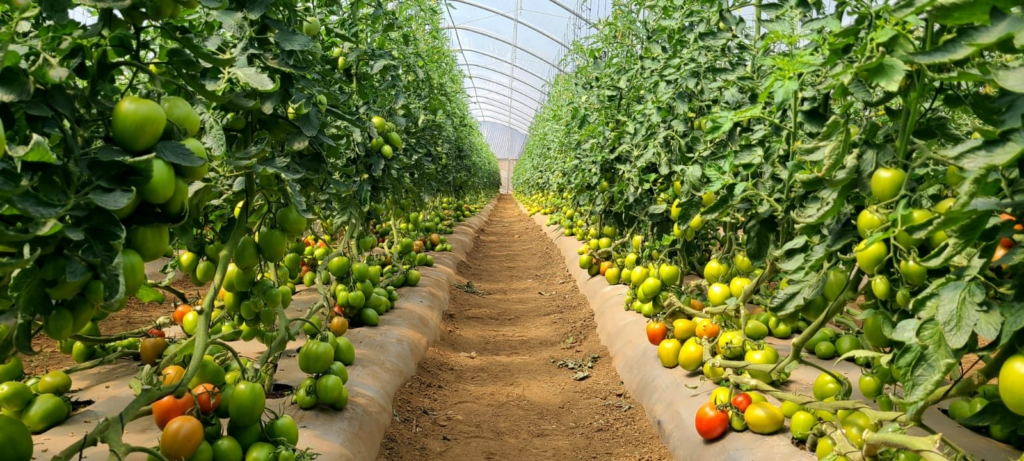
The report also details that 32,000 manzanas (approximately 12,000 acres) of beans have been planted under the same conditions, while 2,534 blocks (approximately 1,534 acres) of vegetables have been cultivated, all under irrigation and grown in both protected and open-field systems.
According to Domínguez, the progress in agricultural production is the result of coordinated work between the government of President Nayib Bukele, producers, trade associations, cooperatives, and irrigation districts, with the goal of strengthening national food production.
The official explained that planting has taken place both in areas with access to irrigation and in areas where rainfall has already created favorable conditions for cultivation. He also stated that planting decisions have been planned according to soil moisture and rainfall patterns, especially for farmers without irrigation systems.
Domínguez also highlighted that all producers participating in the Programa de Aumento a la Producción, receive satellite monitoring and specialized technical assistance, in addition to using high-yield seeds to boost agricultural productivity.
According to authorities, the main objective of this effort is to guarantee the country’s food supply through a coordinated strategy involving different sectors linked to agricultural production.
MAG indicated that work continues to be carried out in a coordinated manner in different areas of the country, while planting for the 2026 agricultural cycle progresses.
You can also read: