

 dinero_admin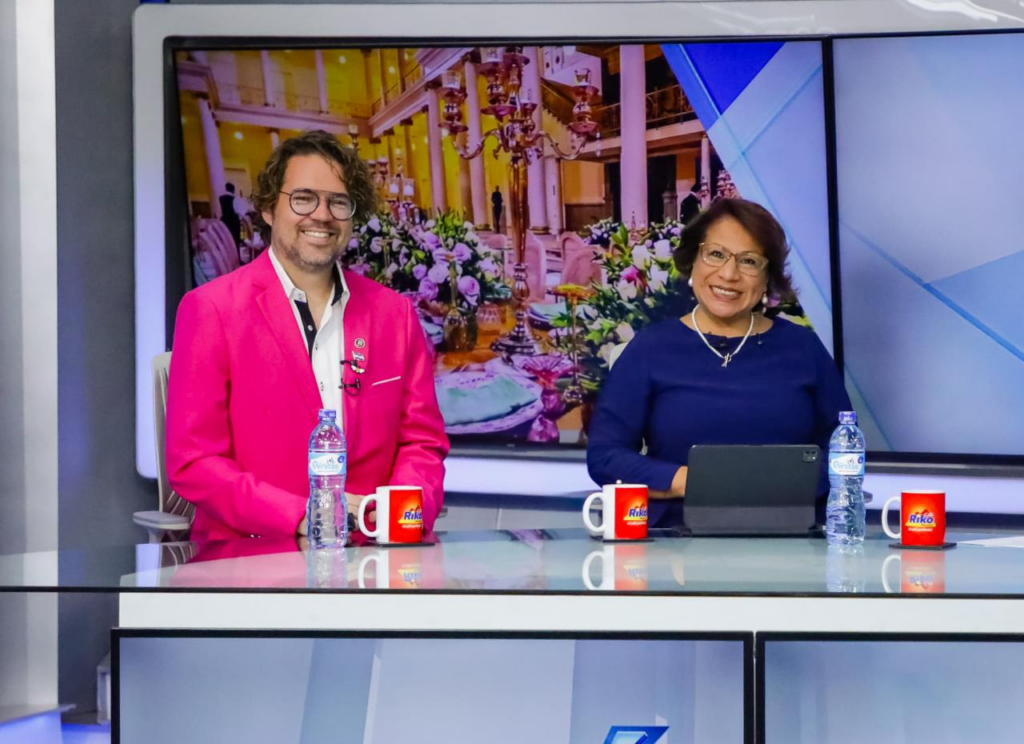
Wedding tourism continues to gain relevance in El Salvador and is emerging as a segment with high potential to boost the national economy. Authorities from the Corporación Salvadoreña de Turismo (Corsatur) emphasize that these visitors spend significantly more than traditional tourists and benefit a wide range of local suppliers.
Corsatur’s Executive Director, Alejandra Durán, explained that the country has registered positive results in tourism during 2016. As of may, El Salvador had recorded 2.1 million visitors, a figure that brings the country closer to its annual goal of 4.2 million tourists.
Within this growth strategy, wedding tourism has become a key focus due to the economic impact it generates in the destinations where these events take place.
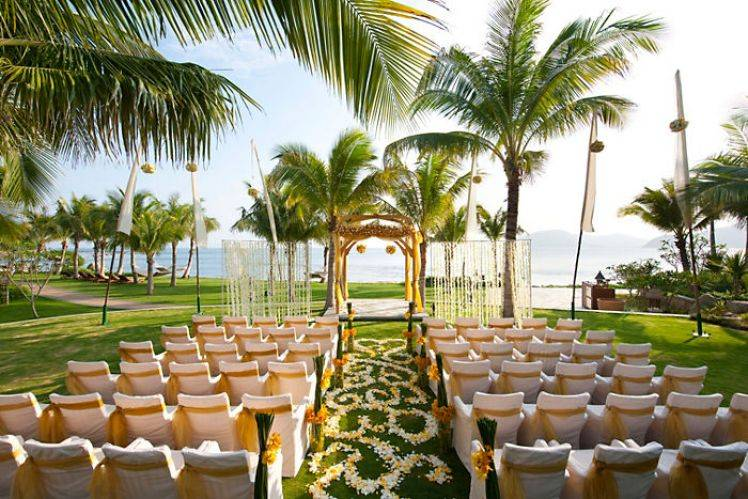
According to Durán, while a conventional tourist spends between US$150 and US$200 per day, a visitor linked to the wedding segment can spend around US$400 per day. Furthermore, she pointed out that approximately 80% of the investment made in a wedding remains within the country, directly benefiting local businesses and entrepreneurs.
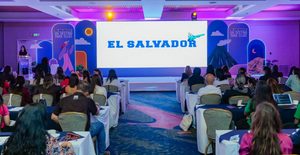
The official highlighted that this was one of the main reasons for forging alliances with international initiatives such as the Beloved Wedding Summit 2026, an event that brings together more than 100 professionals from the wedding and event industry from countries including Mexico, Colombia, Venezuela, Costa Rica, Chile, Peru, Panama, the Dominican Republic, Puerto Rico, the United States, Tanzania, and Portugal.
The goal is for these specialists to gain firsthand knowledge of El Salvador’s tourism offerings and subsequently promote the country as a destination for international weddings and events.
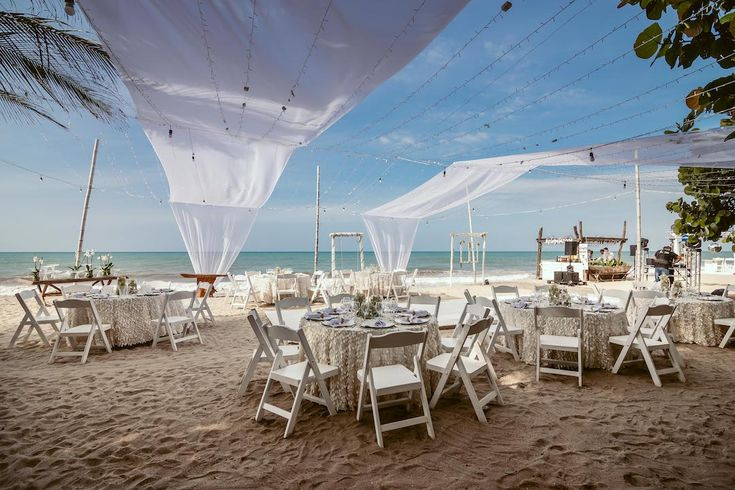
As part of the experience, participants have toured various destinations within El Salvador. One of these was Santa Ana, where they visited the Historic Center and other tourist attractions that could be incorporated into future destination wedding packages.
According to Corsatur, this segment benefits not only hotels and restaurants. It also fosters an extensive value chain that includes florists, transportation companies, stylists, event planners, audiovisual services, catering providers, accommodations, and tour operators, among others.
Authorities believe that factors such as security, air connectivity, and the opening of new international routes have strengthened El Salvador’s image as an attractive destination for this type of specialized tourism.
You can also read: